
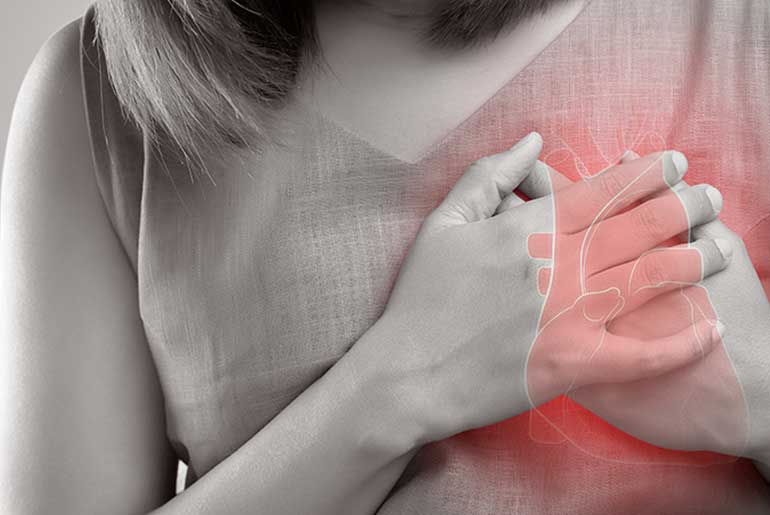
A runny nose, sneezing, a cough, and wheezing used to be apparent signs of a cold or flu. But it’s tougher to say now that Covid-19 has happened. Did you realise that this indication could also mean cardiac problems? The flu and heart attack symptoms are similar, making them hard to tell apart.
How would I tell if I had a heart attack that didn’t make any noise?
5 indicators of a quiet heart attack that may be confused for other health problems:
Pain in the jaw

People often think that jaw pain is just a sign of stress, grinding teeth, or even the flu. But it can also be an indication of an impending heart attack, especially in women. According to the American Heart Association, many women have jaw pain before a heart attack. The discomfort is usually dull and happens on the left side of the face. It may have other symptoms that can easily lead to mistakenly thinking it is caused by something else. You could miss a vital health warning if you don’t pay attention to these signals.
Tip from a cardiologist: If you experience jaw discomfort that doesn’t go away and you also feel exhausted or dizzy, visit a doctor immediately.
2. Tiredness that can’t be described
Everyone gets fatigued from time to time, but if you are often worn out and don’t know why, it could be an indication of a heart attack. Many women assume they’re weary because they’re busy, stressed, or not getting enough sleep. But research from Harvard Health suggests that sudden, strange weariness could be a sign of heart trouble. Research by the Heart Foundation discovered that many women said they were fatigued months before their heart attacks occurred.
Tip from a cardiologist: Pay attention to your body. Talk to your doctor if you’re exceedingly weary and it gets in the way of your regular life. They can help find major health problems.
3. Trouble breathing
It’s common to feel out of breath after going upstairs. Still, you should pay attention if you feel short of breath while resting or doing light activity. A lot of ladies believe that this sign is only a sign of stress or anxiety. Stress can make you breathe more shallowly and trigger other anxiety symptoms. However, if you observe a big change in how you breathe, it could mean you have heart problems. Women may also feel pressure in their chests, which can make it hard to breathe.
Tip from a cardiologist: If you suddenly suffer shortness of breath or other strange symptoms, you should see a doctor right away for a full check-up.
4. Sweating in the cold
Cold sweats can mean something is wrong. They can be linked to fever or stress, but they can also mean you are having a heart attack. If your body thinks you’re in danger, it may trigger a stress response that makes you sweat, even if you’re not moving. If you experience cold sweats and feel sick or dizzy, it could be a sign that your heart is experiencing problems. These indicators could mean that anything is wrong, so pay attention to them.
Tip from a cardiologist: A cardiologist advises that if you suddenly start sweating cold for no clear reason, especially with additional symptoms, you should see a doctor promptly.
5. Feeling dizzy or lightheaded
Do you feel dizzy or lightheaded? You might think that this sensation is merely because you’re sleepy, stressed, or dehydrated. But these symptoms could also mean that your heart has problems because there isn’t enough blood flow to it. Many women say they feel dizzy before having a heart attack. If you additionally feel pain in your chest or jaw or sweat a lot, the situation is much more worrisome.
Cardiologist tip: Don’t disregard it if you often feel dizzy. Heart problems could be stopping blood from getting to your brain. You should see your doctor.
The World Heart Federation says that heart health is highly essential for women, but the numbers are worrying: it causes 1 in 3 fatalities each year. Even though people are more aware of heart disease, many women still don’t realise it puts them at risk. According to the Centers for Disease Control and Prevention (CDC), heart disease is the number one cause of mortality for women. Women are less likely than males to know the indicators of a heart attack, though.
Disclaimer:
The information contained in this article is for educational and informational purposes only and is not intended as a health advice. We would ask you to consult a qualified professional or medical expert to gain additional knowledge before you choose to consume any product or perform any exercise.