
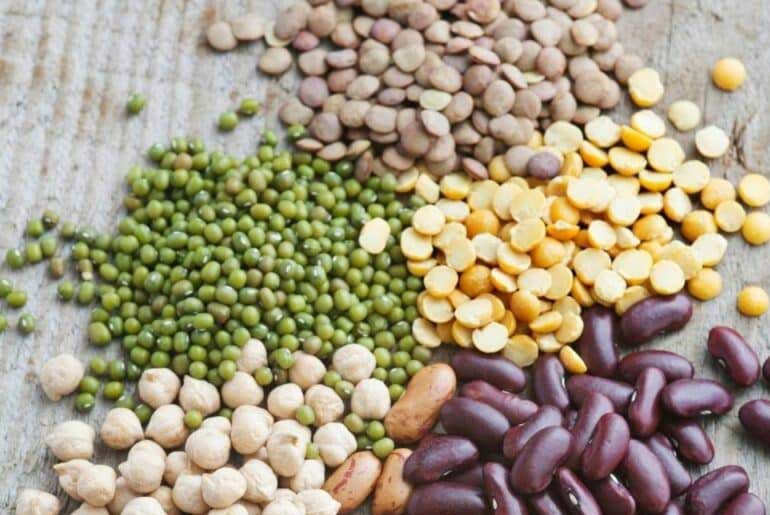
Globally, one of the main risk factors for heart disease and stroke is high blood pressure, or hypertension. Diet primarily controls blood pressure, with plant-based proteins emerging as a popular and healthy choice. Plant-based sources of protein, like beans, lentils, tofu, nuts, seeds, and whole grains, are lower in salt and saturated fat than animal proteins, which can lessen cardiovascular strain. Including these proteins in regular meals promotes heart health and supplies vital nutrients for general well-being.
Promoting Vascular Health
Compounds including polyphenols, antioxidants, and fiber, which are abundant in plant-based proteins, enhance vascular function. These nutrients assist in maintaining healthy blood flow, lowering inflammation, and improving blood vessel flexibility. Stronger, more flexible blood vessels strongly correlate with healthy blood pressure levels, thereby reducing the likelihood of hypertension-related problems.
Dietary Reduction of Risk Factors
Substituting plant-based proteins for animal proteins naturally reduces saturated fat and salt, two main causes of high blood pressure. Furthermore, plant proteins’ high fiber content helps maintain a healthy body mass index (BMI), aids in weight management, and encourages satiety. Plant-based proteins can be a proactive way to eat because high blood pressure is directly linked to unhealthy eating habits and being overweight.

Mineral Assistance in the Control of Blood Pressure
Many plant-based proteins are high in magnesium and potassium, which are two minerals that help keep blood pressure in check. Magnesium promotes healthy vascular function and lowers arterial stress, whereas potassium aids in the body’s sodium balance. The naturally low salt content of plant-based diets and these minerals work together to assist the maintenance of normal blood pressure.
Including Plant Proteins in Everyday Activities
There are substantial advantages to even partially substituting plant-based proteins for animal proteins. Simple tactics include picking whole grains like quinoa and oats, including beans or lentils in salads, utilizing tofu in stir-fries, and nibbling on nuts and seeds. Frequent consumption of these foods promotes total nutritional balance, which benefits metabolism, nervous system function, and long-term wellness in addition to heart health.
Disclaimer:
The information contained in this article is for educational and informational purposes only and is not intended as a health advice. We would ask you to consult a qualified professional or medical expert to gain additional knowledge before you choose to consume any product or perform any exercise.