
Liver cancer is growing more common around the world, especially in individuals who are overweight. Many liver experts say that one big mistake in your diet greatly raises your risk: eating many added sugars on a regular basis, especially processed foods and drinks that are high in fructose. Obesity already puts extra stress on the liver, and when you add too much sugar to the mix, the damage can happen faster without you even knowing it. This makes it more likely that you will get major liver disorders, including cancer.
How Being Overweight Affects the Liver
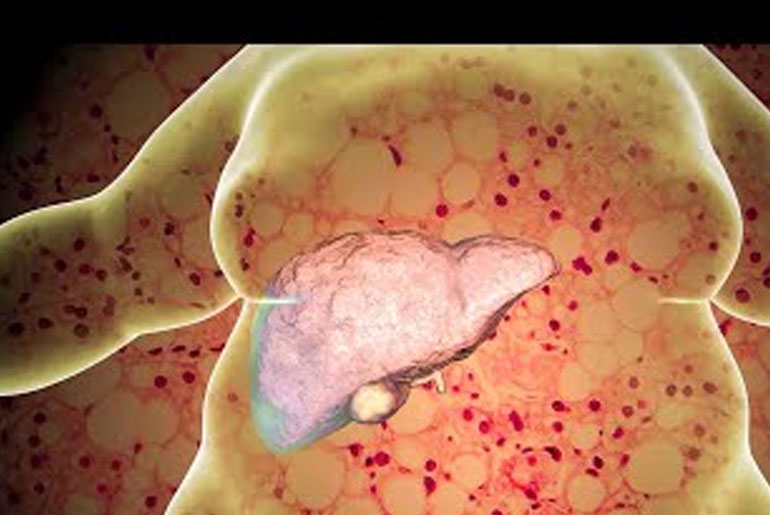
Obesity is intimately associated with non-alcoholic fatty liver disease (NAFLD), which occurs when too much fat builds up in liver cells. Over time, NAFLD can turn into non-alcoholic steatohepatitis (NASH), which is a more serious version that causes inflammation and damage to liver cells. Chronic inflammation can result in fibrosis (scarring), cirrhosis, and ultimately hepatocellular carcinoma, the predominant form of liver cancer. Poor diet and excessive body fat increase the risk of long-term liver damage.

Too much added sugar and fructose in the diet
Surgeons and liver experts say that eating many added sugars, especially fructose found in soft drinks, bottled juices, sweets, candies, and processed snacks, is very bad for your health. Fructose is mostly broken down in the liver, while glucose is not. When you eat too much, your liver gets too much work to do, which leads to fat storage, insulin resistance, and long-term inflammation.
Drinking sugary drinks often is especially harmful since the sugars in them are quickly absorbed and don’t make you feel full, which means you eat more calories overall. This makes fatty liver disease worse over time and raises the risk of cancer.
Insulin Resistance and the Risk of Cancer
Overweight people often have insulin resistance, which is made worse by eating a lot of sugar. High amounts of insulin and blood sugar can make cells grow faster and make it harder for the body to manage tissues that are growing too quickly. Too much sugar can create chronic inflammation and oxidative stress, which can harm liver cells even more. This makes it easier for malignant cells to grow.
Foods that have been processed and sugars that are hard to find
A lot of manufactured goods that are sold as “low-fat” or “healthy” may nevertheless have a lot of added sugars in them. Breakfast cereals, flavoured yoghurts, sauces, and ready-to-eat meals can have sugars that aren’t obvious but pile up quickly. Eating these items on a frequent basis might slowly damage your liver without showing any signs until the disease is already advanced.
Changes to your diet that protect you
Experts say that you should eat less added sugar and more full, nutrient-dense meals. Eating a healthy diet that includes lots of vegetables, fruits (in moderation), whole grains, lean proteins, nuts, and healthy fats can help keep your liver healthy. Regular physical activity, weight management, and limiting processed foods further reduce the risk of fatty liver progression and liver cancer. One of the easiest and most successful modifications is to switch from sugary drinks to water, herbal teas, or liquids that aren’t sweetened.
Eating a lot of added sugars, especially fructose from sugary drinks and processed foods, is the main dietary error that raises the risk of liver cancer in overweight people. Being overweight already puts stress on the liver, and too much sugar makes things worse by causing fat to build up, inflammation, and insulin resistance. Making smart changes to your diet, staying at a healthy weight, and focusing on whole foods can all help slow the advancement of liver disease and minimise the risk of liver cancer in the long term.
Disclaimer:
The information contained in this article is for educational and informational purposes only and is not intended as a health advice. We would ask you to consult a qualified professional or medical expert to gain additional knowledge before you choose to consume any product or perform any exercise.