
For cardiovascular health, walking is one of the safest and most efficient types of exercise. Nordic walking and Japanese walking are two walking styles that have become more well-known recently due to their distinctive methods and health advantages. Although they both improve heart health, stamina, and general fitness, there are notable differences in how they work muscles and raise heart rate. You can select the approach that best supports your heart health goals by being aware of these variations.
Nordic Walking: What Is It?
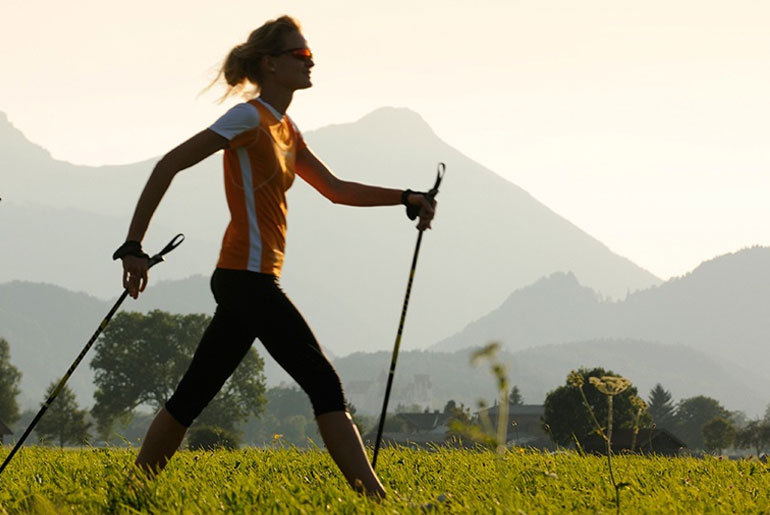
Finland is the birthplace of the full-body walking style known as Nordic walking. It entails walking with specially made poles that help move the body forward, much like ski poles.
Important Features
- This activity engages the muscles of both the upper and lower body due to the use of poles.
- increases walking speed and stride length
- This activity increases calorie burn by 20–40% compared to regular walking.
- Enhances balance, lessens joint stress, and encourages better posture
Benefits of Heart Health
- It increases heart rate more efficiently than regular walking because it engages more muscles.
- Increases cardiorespiratory endurance and aerobic capacity.
- Aids in controlling weight, which tangentially promotes heart health
- Gradually lowers LDL cholesterol and blood hypertension
“Japanese Walking”: What Is It?
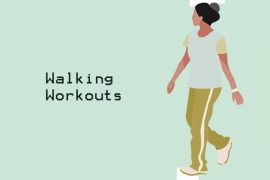
Generally speaking, “Japanese walking” refers to the well-liked brisk walking methods from Japan, like Tetsu or Shiraki walking, which place an emphasis on thoughtful, rhythmic steps, deep breathing, and upright posture.
Important Features
- This method emphasizes optimal alignment, which includes maintaining a straight spine, relaxed shoulders, and an active core.
- Involves taking quicker, smaller steps
- This technique is frequently paired with deep nasal breathing, which enhances oxygen absorption.
- All ages may perform it easily and without the need for special equipment.
Benefits of Heart Health
- Encourages consistent aerobic exercise
- Enhances circulation and aids in blood pressure regulation
- It employs mindfulness and controlled breathing techniques to alleviate stress.
- Walking gradually increases endurance, usually at a modest level.
Which Is Better for Heart Health Improvement?
While both types of walking improve cardiovascular fitness, their physiological effects and levels of intensity vary.
Nordic Strolling
- Offers a more intense exercise.
- Increases heart rate more dramatically
- This exercise engages 90% of the muscles and burns more calories.
- Better for those who want to gain full-body strength, reduce weight, or improve heart endurance
Walking in Japan
- provides a kinder, more gradual cardio workout.
- Ideal for novices, senior citizens, or those recuperating from illness
- This type of exercise helps maintain heart health; however, it usually results in a lower cardiac workload compared to Nordic walking.
The final judgment
- Nordic walking is generally more advantageous for maximizing heart health since it engages the entire body and has a higher cardiovascular intensity.
- Japanese walking, on the other hand, is excellent for daily practice, stress relief, and long-term consistency—making it perfect for novices or people who want more mild exercise.
In conclusion, Although Nordic and Japanese walking cater to various fitness levels and purposes, both offer significant heart-health benefits. Nordic walking is the most effective cardiovascular exercise since it increases heart rate and expends more energy. Japanese walking, on the other hand, is appropriate for people of all ages since it promotes heart health through deliberate movement and consistent aerobic activity. Your current fitness level, comfort level, and long-term wellness objectives will determine which technique is best for you, but including either in your regimen will greatly enhance your general well-being and heart health.
Disclaimer:
The information contained in this article is for educational and informational purposes only and is not intended as a health advice. We would ask you to consult a qualified professional or medical expert to gain additional knowledge before you choose to consume any product or perform any exercise.