
As the second greatest cause of mortality worldwide, cancer is among the most lethal illnesses. The survival rate is gradually improving as a result of advancements in cancer screenings, drugs, treatment, and preventative measures.
However, how might people reduce their risk of developing cancer? The most crucial step is to change your lifestyle by eating better and exercising, even if there is a lot of information available.
Three beverages that can reduce your risk of developing cancer. We’ll discover what they are:
Three beverages to reduce the risk of cancer
“These three drinks could help lower your cancer risk — I have them daily as a gastroenterologist,” the gastroenterologist remarked when sharing the post. Which of these do you typically drink? According to the doctor, the following three beverages can reduce your risk of developing cancer:
1. Green tea
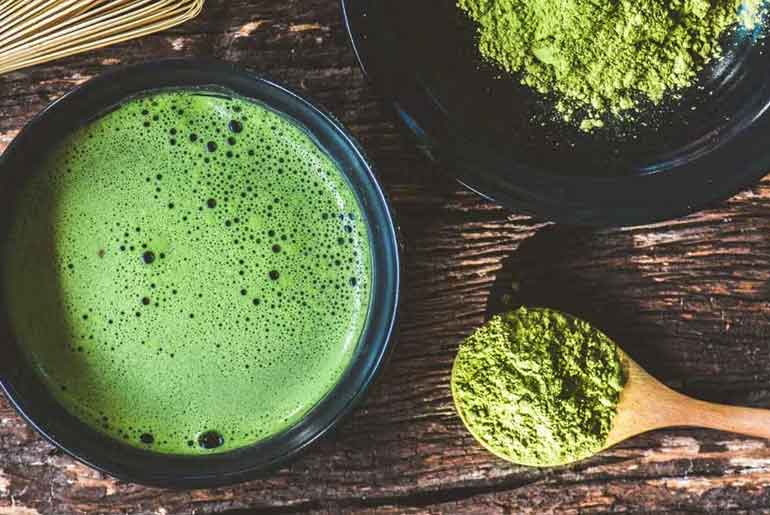
The doctor claims that catechins, which are antioxidants, are abundant in green tea. He went on to say that matcha, which is currently everyone’s favorite beverage, is even more potent because it is a concentrated type of green tea.
Catechins are naturally occurring polyphenolic compounds found in culinary and medicinal plants, including tea, legumes, and Rubiaceae, according to the National Institutes of Health (NIH). Furthermore, a growing body of research has linked the use of foods high in catechins to the prevention and management of human chronic illnesses, including inflammatory bowel disease (IBD).
2. Green smoothie
Dr. Sethi recommended combining leafy greens, such as kale or spinach, with cucumber, celery, and a small amount of ginger to create a green smoothie. According to him, this beverage is anti-inflammatory and high in nutrients.
3. Haldi milk or turmeric latte
The gastroenterologist described the beverage as his favorite and claimed that curcumin, which is present in turmeric, has anti-cancer and anti-inflammatory effects. “To increase absorption, I make mine with almond milk and a dash of black pepper,” he disclosed.
Curcumin has not been approved by the US Food and Drug Administration (FDA) to treat cancer or any other illness. Furthermore, a wealth of data indicates that turmeric’s active component, curcuminoids, disrupt a number of cell signaling pathways, supporting the idea that curcumin may have a function in regulating the onset and spread of cancer.
Disclaimer:
The information contained in this article is for educational and informational purposes only and is not intended as a health advice. We would ask you to consult a qualified professional or medical expert to gain additional knowledge before you choose to consume any product or perform any exercise.