
One of the human body’s most durable organs, the liver can heal and regenerate itself even after damage. But according to new research, diets high in bad fats might subtly alter good liver cells, raising the possibility that they could develop cancer. Viral hepatitis and alcohol misuse are no longer the only causes of liver cancer, especially hepatocellular carcinoma (HCC). Nowadays, poor eating habits—particularly diets heavy in fat—are acknowledged as a significant, avoidable risk factor.
How the Liver Is Overloaded by High-Fat Diets
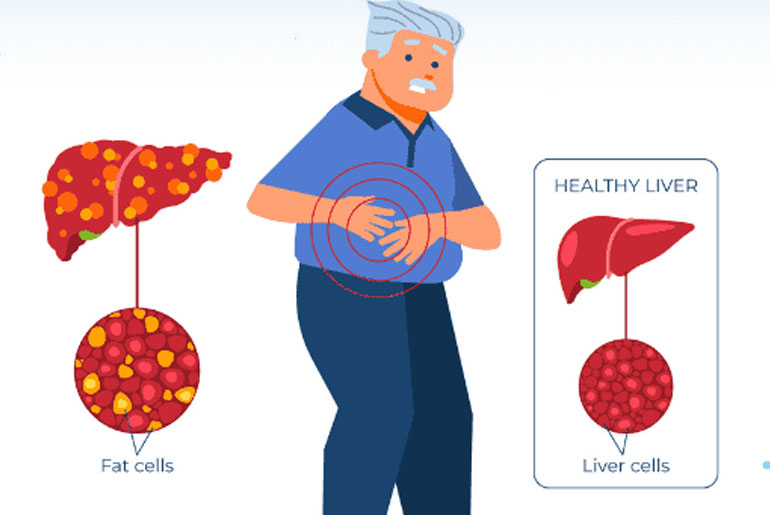
The liver has to work harder when the diet is heavy in trans and saturated fats. Non-alcoholic fatty liver disease (NAFLD) is caused by excess fat that builds up in liver cells and cannot be safely stored elsewhere. Over time, this excess fat impairs insulin signaling, damages mitochondria, the cell’s energy centers, and interferes with regular liver function. Silently, what begins as fat storage might develop into liver damage.
From Chronic Inflammation to Fatty Liver
Liver cells become irritated and strained as fat accumulates. The immune system releases inflammatory molecules in response to this illness, which is called non-alcoholic steatohepatitis (NASH). Prolonged inflammation destroys DNA, modifies gene expression, and fosters the growth and survival of aberrant cells. One of the main factors pushing healthy liver cells toward harmful changes is inflammation.
Cellular Reprogramming: The Identity Transformation of Healthy Cells
Recent research has shown that eating a lot of fat can “reprogram” liver cells, which is one of the most concerning findings. These cells start acting more like progenitor or stem-like cells rather than carrying out their typical detoxifying and metabolic functions. Although such an approach might be a survival strategy at first, it also raises the possibility of unchecked growth, which is one of the characteristics of cancer.
DNA Damage and Oxidative Stress
Excess dietary fat causes the liver to experience more oxidative stress, which results in the production of dangerous chemicals known as free radicals. These substances harm DNA and hinder the liver’s capacity to correct genetic mistakes. Repetitive DNA damage builds up over time, raising the possibility of mutations that could cause liver cancer.
The Unnoticed Cancer Trigger of the Gut-Liver Axis
In addition to changing gut flora, high-fat diets can increase intestinal permeability, which is commonly known as a “leaky gut.” This condition makes it possible for poisons and inflammatory chemicals to enter the bloodstream and go straight to the liver. Continuous exposure to these poisons causes liver tissue to become even more inflamed and accelerates the development of cancer.
Why Alcohol Is Dangerous Even for Nondrinkers
A critical concern is that people who do not drink alcohol may assume their liver is safe. However, one of the causes of liver cancer that is expanding the quickest in the globe right now is diet-induced fatty liver disease. Even in the absence of alcohol use, people who are obese, insulin resistant, or lead sedentary lives are at a heightened risk.
Food Selections That Can Lower Risk
The damage caused by high-fat diets is not always irreversible—especially in early stages. Diets rich in fiber, antioxidants, lean protein, and healthy fats (such as omega-3s) help reduce inflammation and improve liver metabolism. Whole grains, fruits, vegetables, nuts, seeds, and traditional anti-inflammatory foods can support liver repair and lower cancer risk.
Conclusion: Food as a Powerful Liver Cancer Risk Factor
Liver cancer does not appear overnight—it develops through years of silent damage. Diets high in unhealthy fats can turn once-healthy liver cells into potential cancer starters by promoting fat accumulation, inflammation, oxidative stress, and cellular reprogramming. The growing evidence makes one message clear: what we eat daily has a profound impact on liver health. Choosing balanced, nutrient-dense foods is not just about weight control—it may be a critical step in preventing one of the deadliest forms of cancer.
Disclaimer:
The information contained in this article is for educational and informational purposes only and is not intended as a health advice. We would ask you to consult a qualified professional or medical expert to gain additional knowledge before you choose to consume any product or perform any exercise.