

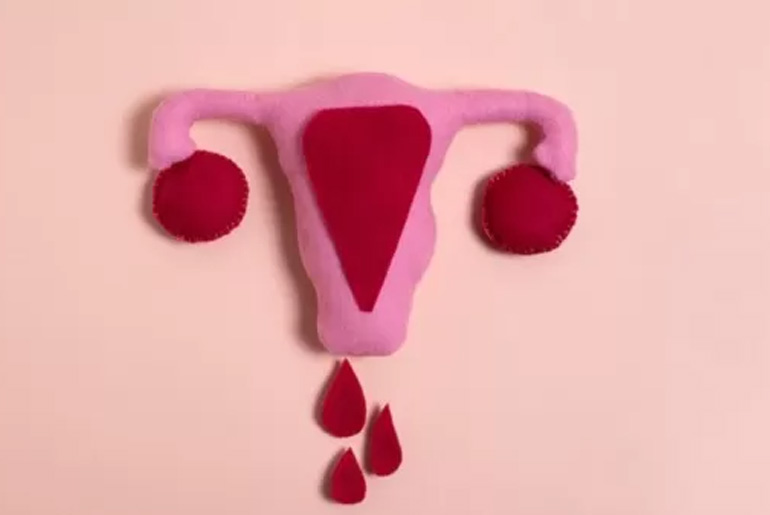
One of the most prevalent malignancies in women, cervical cancer is also one of the most preventable. Although infection with the Human Papillomavirus (HPV) is the primary cause, daily behaviors might affect how the illness progresses, according to medical professionals. Menstrual hygiene is one such element that is frequently disregarded or misinterpreted. Many women still do not have access to secure restrooms, sanitary supplies, or enough knowledge on period care. Poor menstrual hygiene might eventually result in recurrent infections, which could raise health risks.
To safeguard cervical health and lower long-term risks, maintaining proper menstrual hygiene is crucial.
Why is cervical cancer such a serious issue?

Chronic HPV infection is the cause of cervical cancer. According to the World Health Organization (WHO), it is the fourth most frequent cancer among women worldwide. It is the second most frequent cancer among women in India, particularly among those between the ages of 15 and 44. Over one lakh women receive a cervical cancer diagnosis each year, and the disease claims over 77,000 lives. These figures are mostly due to limited access to screening, immunization, and awareness.
Why is menstrual hygiene important, and what is it?
Simply put, menstrual hygiene entails using safe and clean goods during periods, changing them frequently, cleaning the vaginal area appropriately, and correctly discarding used items. Urinary tract infections, vaginal infections, and other reproductive system issues can result from poor hygiene during menstruation. According to the doctor, recurrent infections can impair the body’s defenses against HPV, which over time raises the chance of cervical issues.
How may inadequate menstrual hygiene raise the risk of cancer?
Upsets the natural equilibrium
Good bacteria that guard against infections are present in a healthy vagina. This equilibrium can be upset, and dangerous germs can proliferate due to poor menstrual hygiene.
Makes HPV removal more difficult.
Recurrent infections result in chronic inflammation and discomfort. These conditions may prevent the body’s normal removal of HPV, allowing it to persist and do harm.
Aggravates delicate tissues
Long periods of time spent with wet or dirty materials might irritate the cervix. This condition facilitates the entry and damage to the cells of viruses such as HPV.
According to a study that was published in the Asia-Pacific Journal of Oncology Nursing, there is a correlation between a higher risk of cervical cancer and the use of outdated cloths and poor hygiene during periods.
Menstrual habits heighten health risks
Certain hygiene habits increase one’s susceptibility to infections and cervical injury. Using old or poorly cleaned cloths as absorbents, not changing pads often, inappropriately disposing of spent materials, and not having access to sanitary and secure menstruation products are a few examples. These dangers are exacerbated by inadequate water, sanitation, and privacy facilities, particularly in impoverished and rural locations.
Why do access and awareness matter so much?
Women often overlook the impact of menstruation hygiene on long-term health. Increasing access to sanitary goods, safe restrooms, and accurate information can prevent infections and reduce the risk of cancer. Improving menstrual hygiene is a straightforward yet effective way to lower the risk of cervical cancer and enhance women’s general health, as Dr. notes.
Disclaimer:
The information contained in this article is for educational and informational purposes only and is not intended as a health advice. We would ask you to consult a qualified professional or medical expert to gain additional knowledge before you choose to consume any product or perform any exercise.