

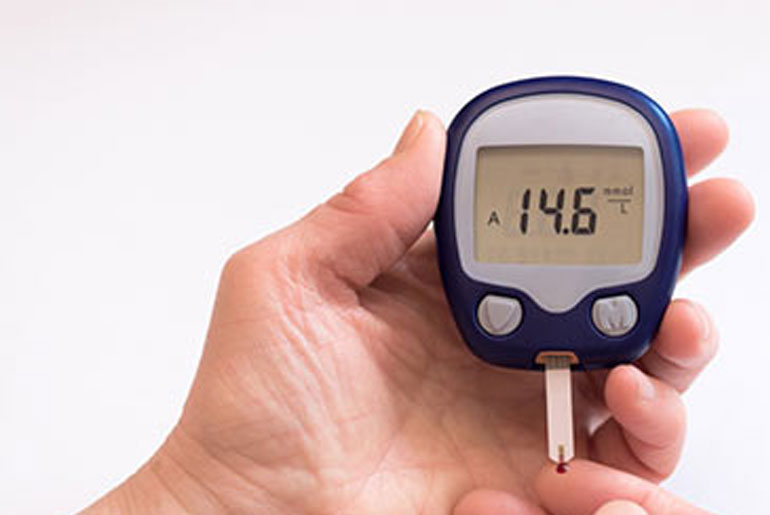
A key component of long-term health, energy, and illness prevention is maintaining stable blood sugar levels. The objective should be to develop more intelligent daily routines that support the body’s natural insulin response and glucose control rather than concentrating only on restriction. Experts point to important techniques for naturally regulating blood sugar, as well as the cautious use of specific supplements as needed.
1. Give Protein Priority
Because high-quality protein slows down the absorption of carbohydrates and lowers insulin spikes, it helps maintain blood sugar. In addition to promoting muscle repair, foods high in protein—such as eggs, fish, chicken, lentils, and dairy—also increase satiety and reduce cravings for sugar and overeating. Making protein a daily priority can greatly impact maintaining stable glucose levels.
2. Take a stroll after meals
A quick stroll 10 to 20 minutes after eating improves muscle glucose uptake and reduces blood sugar rises after meals. This simple routine enhances digestion, increases insulin sensitivity, and facilitates the body’s effective processing of carbs. Because it promotes a more balanced glycemic response, walking after meals is especially beneficial for those with prediabetes or insulin resistance.
3. Consume Food in the Proper Order
The order in which you eat your meals can affect your blood sugar levels. Eating proteins and vegetables high in fiber before carbohydrates helps reduce blood sugar swings by slowing the absorption of glucose. You can promote a smoother insulin response and lower your risk of energy crashes later in the day by carefully planning your meals so that protein and fiber come first, followed by carbohydrates.
- Start with fiber (salad).
- Then take your protein (chicken).
- And at the end eat carbs (sweet potato)
4. Apple cider vinegar
It has been demonstrated that apple cider vinegar (ACV) raises blood sugar levels after meals. A tiny dose taken prior to meals can improve insulin sensitivity and decrease the breakdown of carbohydrates. ACV can be used as a natural supplement to help control blood sugar levels when paired with regular exercise and well-balanced meals, but it should not replace other techniques for managing blood sugar.
5. Get 7 to 9 hours of sleep
Getting enough sleep is essential to keeping blood sugar levels in check. Inadequate or poor sleep raises cortisol levels, which can lower insulin sensitivity and boost blood sugar. Setting aside 7 to 9 hours each night for restorative sleep promotes long-term metabolic health, lowers stress, and balances hormones.
6. Control your cortisol levels
The body’s stress hormone, cortisol, directly influences blood sugar levels by encouraging the liver to produce glucose. Insulin resistance and unstable blood sugar levels might result from long-term stress or poorly controlled cortisol. Stress-reduction techniques like yoga, meditation, deep breathing, or mindful breaks throughout the day can support blood sugar stability and mental well-being.
Bonus: Testing-Based Supplements
Some supplements can help maintain blood sugar balance, but only after appropriate testing and supervision can they be used:
GLP-1 peptides or berberine for insulin resistance
Magnesium for better glucose elimination
To lessen cells’ oxidative stress: Alpha-lipoic acid
These focused interventions can support lifestyle choices, but they shouldn’t be used in place of regular routines like stress reduction, exercise, and a balanced diet.
Establishing everyday routines that support the body’s natural processes is more important for stable blood sugar than rigorous restriction. Together, these strategies can help maintain appropriate glucose levels, enhance energy, and support long-term metabolic health: prioritizing protein, exercising after meals, eating in the proper order, adding apple cider vinegar, getting enough sleep, controlling cortisol, and thinking about supplements after testing.
Disclaimer:
The information contained in this article is for educational and informational purposes only and is not intended as a health advice. We would ask you to consult a qualified professional or medical expert to gain additional knowledge before you choose to consume any product or perform any exercise.