

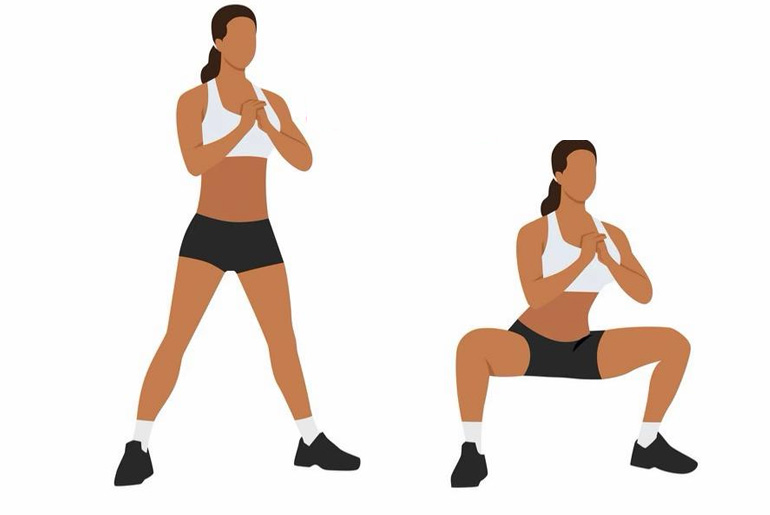
The gluteal muscles, which are essential for stability, posture, and general lower-body strength, can be strengthened and toned with glute extension exercises. Incorrect execution of these workouts, however, may result in underactive glutes or lower back discomfort. Focusing on appropriate technique, muscular activation, and controlled motions is crucial for optimizing outcomes while lowering the chance of injury, according to a fitness instructor. When performing glute extension exercises, have the following four points in mind.
1. Use Your Glutes and Core
Make sure your glutes are engaged and your core is tight before beginning any glute extension. Your pelvis is stabilized, and excessive lower back arching is avoided with a strong core. Bridges, clamshells, and bodyweight hip thrusts are examples of glute activation exercises that can “wake up” your glute muscles before working out. By using the right muscles, the exercise will primarily engage the glutes rather than the hamstrings or lower back.
2. Keep Your Form Correct
For glute extensions to be effective, form is essential. Avoid overhanging your lower back, maintain a neutral spine, and make sure your hips stay square during the exercise. Excessive leg elevation or hip twisting can divert the gluteal burden, decreasing the exercise’s efficacy and raising the risk of strain. Instead of lifting your leg with momentum, concentrate on making fluid, controlled movements.
3. Manage Your Range of Motion
The secret to optimizing glute activation and avoiding damage is a controlled range of motion. Avoid overly strenuous exercises that push your leg above its comfort limit since this can put undue strain on your lower back. Raise your leg until your glutes tighten strongly, hold it there for a moment, and then slowly drop it. Every repetition is guaranteed to target the appropriate muscle fibers thanks to this methodical technique.
4. Make gradual progress and employ suitable resistance
Excessive weight or resistance overloading can throw off form and put undue strain on the lower back or hamstrings. As your strength increases, progressively increase the load from bodyweight workouts or lighter resistance bands. A slow approach guarantees stable improvements while lowering the danger of injury; concentrate on regulated repetitions and consistent form.
In conclusion, Although good technique is crucial, glute extension workouts are a great way to tone, shape, and develop the glutes. You can safely attain the best benefits by using your core and glutes, keeping proper form, managing your range of motion, and working out gradually. You may create a solid basis for general lower-body fitness by adhering to these four important rules, which will guarantee that your glute exercises are both efficient and injury-free.
Disclaimer:
The information contained in this article is for educational and informational purposes only and is not intended as a health advice. We would ask you to consult a qualified professional or medical expert to gain additional knowledge before you choose to consume any product or perform any exercise.