
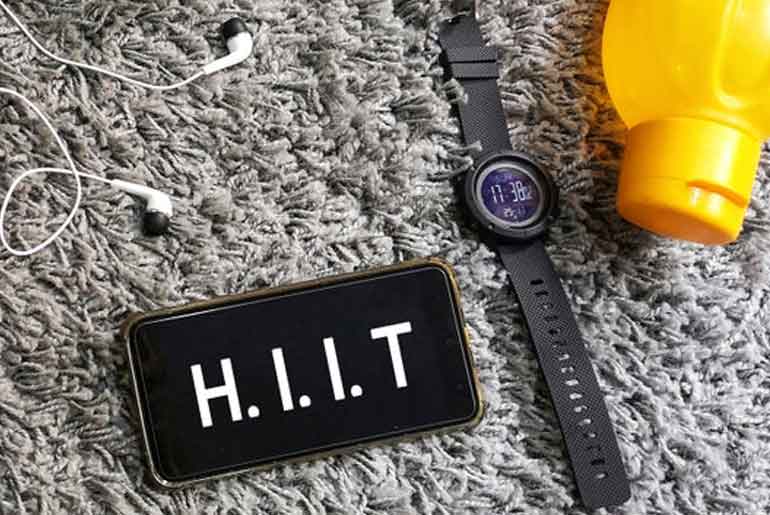
In high-intensity interval training (HIIT), brief bursts of near-maximal effort are interspersed with rest or low-intensity recovery intervals. HIIT has wide-ranging, time-efficient benefits for everyone, from athletes to busy professionals, because it challenges both the circulatory and muscular systems.
Enhances heart health
High-intensity interval training (HIIT) can lead to big improvements in heart and lung performance, blood vessel function, and some heart health risk factors, often achieving better results than longer sessions of moderate exercise in much less time. In patients with cardiometabolic disease, these modifications can improve outcomes by lowering heart stress during daily activities.

Increases aerobic capacity
When compared dose-for-dose, HIIT frequently outperforms continuous moderate exercise in raising VO₂max, the strongest laboratory indicator of aerobic fitness. This is one of the most consistent findings. Better daily energy tolerance, labor capacity, and endurance are all correlated with increases in VO₂max.
Increases the rate of metabolism
In addition to improving indicators of insulin sensitivity and glucose management, HIIT promotes mitochondrial biogenesis, which results in more and better-performing energy factories in muscle. For those with or at risk for type 2 diabetes and metabolic syndrome, these alterations improve metabolic health, reduce fasting insulin, and enhance the body’s ability to use glucose.
Develops muscle
While strength training is the gold standard for hypertrophy, well-designed high-intensity interval training (HIIT) can improve muscle adaptation and increase fat-free mass, particularly when sessions incorporate sprinting, hill runs, or intervals with loaded activities. Better functional strength and a greater resting metabolic rate are maintained as a result.
Maintains muscle strength
HIIT enhances muscle power and explosive strength, which are crucial for daily tasks and sports performance. This advantage is especially true for protocols that involve very brief, intensive efforts (sprinting, cycling sprints). Research indicates significant increases in power metrics for all age groups, including senior citizens.
HIIT often produces measurable body-composition changes (reduced fat mass, improved waist measures) in a shorter time compared with longer steady-state cardio. The high metabolic demand, afterburn (elevated post-exercise oxygen consumption), and favorable hormonal responses contribute to efficient fat loss when combined with sensible nutrition.
Disclaimer:
The information contained in this article is for educational and informational purposes only and is not intended as a health advice. We would ask you to consult a qualified professional or medical expert to gain additional knowledge before you choose to consume any product or perform any exercise.