
Have you ever had sudden stomach cramps or a strong desire to go to the toilet right before a big presentation or stressful event? You are not forming your own opinions. Stress can significantly impact your digestive system by disrupting the signals between your gut and brain. This strong two-way communication system means that your feelings don’t simply stay in your head; they can also make you feel bloated, have diarrhoea, sick, or have stomach pain.
Getting to know the Gut-Brain Connection
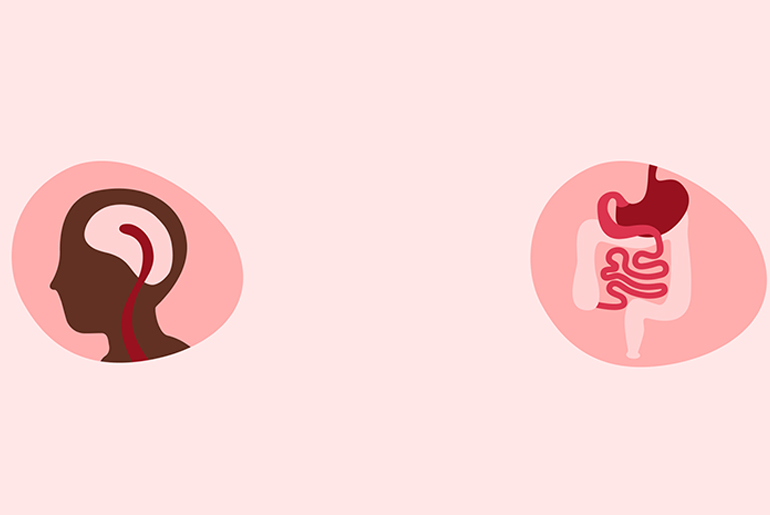
The gut–brain axis is what scientists term the way the gut and brain talk to each other all the time. This system connects the central nervous system to the digestive tract through hormones, nerves (particularly the vagus nerve), and immunological signals.
The enteric nervous system, which is frequently nicknamed the “second brain,” is a network of nerves that run through your gut. It makes a lot of the same neurotransmitters as the brain, like serotonin, which is important for mood and digestion.

When stress gets in the way of this connection, digestive problems might happen right away.
How Stress Causes “The Runs”
1. Response to Fight or Flight
When you’re worried, your body goes into fight-or-flight mode. Cortisol and adrenaline, two stress chemicals, go up. Blood flow is transferred from digestion to muscles, and intestinal motility might speed up, which can cause diarrhoea or loose stools.
2. More sensitive gut
Stress makes the intestines more sensitive. Normal gas or slight straining of the intestines can hurt or make you feel bad. This increased sensitivity often causes bloating and cramps.
3. Changes in how the gut moves
Anxiety can make the intestines contract in an irregular way. For some people, this makes them go to the toilet faster (producing diarrhoea), whereas for others, it makes them go to the toilet slower (causing constipation). Stress can make the symptoms of Irritable Bowel Syndrome worse or even cause them.
4. Disruption of the microbiome
Long-term stress may change the balance of good bacteria in the gut. An unbalanced microbiota can make inflammation, gas production, and digestive pain worse, which can make bloating and irregular faeces even worse.
Why Bloating and Anxiety Often Happen Together
When gut signalling is messed up, it can also transmit messages of discomfort back to the brain. This feedback loop can make anxiety worse, which leads to a cycle:
Stress → Gut problems → Worry about problems → More stress → Worse gut problems
This is why stomach problems typically emerge when you’re feeling stressed.
How to Relax the Gut–Brain Axis
1. Breathe slowly
Deep, diaphragmatic breathing wakes up the vagus nerve and helps the body get out of fight-or-flight mode.
2. Be aware of what you eat
Don’t speed through meals while you’re stressed. When your stomach is sensitive, eat foods that are easy to digest and chew carefully.
3. Get Better Sleep
Not getting enough sleep raises stress hormones and makes your gut more sensitive. Try to keep your sleep schedule the same.
4. Regular exercise
Walking or doing yoga are two examples of gentle exercise that can help control stress hormones and keep your digestion healthy.
5. Think about getting help from a professional
If you often have digestive problems that are caused by worry, a doctor may recommend cognitive behavioural therapy (CBT), gut-directed hypnotherapy, or medication for diseases like IBS.
When to Get Medical Help
It’s normal to get diarrhoea from time to time due to stress. But if you have chronic symptoms, blood in your stools, unexplained weight loss, or severe stomach pain, you should see a doctor to rule out infections, inflammatory bowel disease, or other underlying disorders.
Stress doesn’t just mess with your head; it may also mess with the signals between your gut and brain, which can cause diarrhoea, bloating, and stomach pain. There is a definite physiologic link between anxiety and digestion. You can stop the pattern and bring your mind and digestive system back into balance by controlling stress, supporting gut health, and asking for help when you need it.
Disclaimer:
The information contained in this article is for educational and informational purposes only and is not intended as a health advice. We would ask you to consult a qualified professional or medical expert to gain additional knowledge before you choose to consume any product or perform any exercise.