

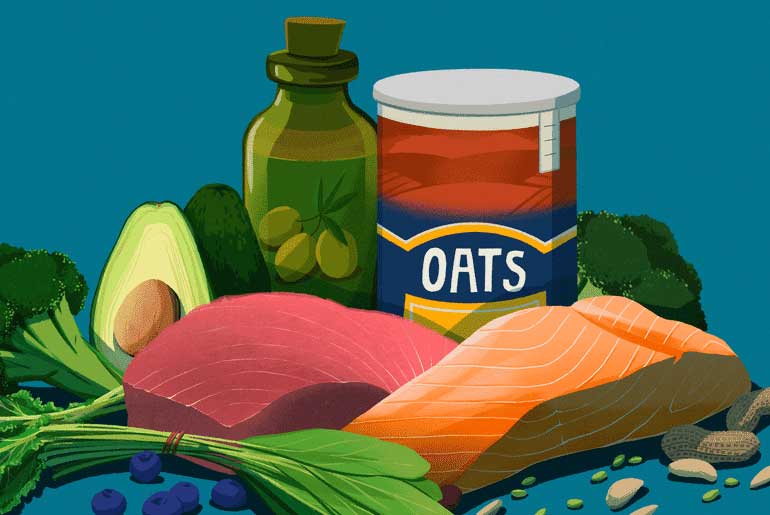
People with type 2 diabetes have a metabolic disease that is linked to their lifestyle. Their bodies either don’t make enough insulin or don’t respond to it, which keeps their blood sugar levels healthy. Many people can greatly improve their blood sugar control—and in some circumstances, even go into remission—by making changes to their diet, exercising regularly, managing their weight, and getting medical care.
Nutrition is one of the most important things you can do to manage and possibly even reverse type 2 diabetes. Some meals can help keep blood sugar levels stable, lower inflammation, make insulin work better, and promote overall metabolic health. Here are five foods that have been shown by science to have a big effect.
1. Vegetables with green leaves
Spinach, kale, fenugreek leaves (methi), and mustard greens are some of the finest foods for patients with type 2 diabetes. They have very little calories and carbs, but they are full of fiber, vitamins, minerals, and antioxidants.
Because they include a lot of fiber, they slow down the absorption of sugar into the blood, which stops blood sugar levels from rising quickly after meals. They also have a lot of magnesium, which is important for making insulin work better. These veggies provide antioxidants that lower oxidative stress and inflammation, both of which can make insulin resistance worse.
Adding spinach to smoothies, making methi paratha with whole wheat flour, or serving a bowl of sautéed greens are all easy ways to include them in your everyday meals.
2. Fish that are high in fat
Salmon, sardines, mackerel, and tuna are all fatty fish that are high in omega-3 fatty acids. These beneficial fats lower inflammation and make the heart healthier. This is especially essential for those with diabetes, who are more likely to get heart disease.
Omega-3s may also help lower triglyceride levels and make insulin work better. Fatty fish is also strong in protein, which makes you feel full and helps you avoid overeating. This is a crucial part of managing your weight and reversing diabetes.
Eating fatty fish two to three times a week can really help your metabolism.
3. Nuts and Seeds
Nuts like almonds and walnuts, as well as seeds like chia seeds, flaxseeds, and pumpkin seeds, are very good for you. They are high in healthy fats, plant-based protein, fiber, magnesium, and antioxidants.
These nutrients help keep blood sugar levels stable, slow down digestion, and make you less hungry. Eating nuts on a regular basis has been related to better blood sugar control and reduced HbA1c readings. Seeds like flax and chia are also high in soluble fiber, which is good for your gut and helps your body control blood sugar levels.
Adding a small handful of mixed nuts or a teaspoon of seeds to yogurt, salads, or smoothies every day can be a good habit.
4. Squash
Squash types including bottle gourd (lauki), pumpkin, and zucchini are great for keeping blood sugar levels stable. They don’t have a lot of calories and have a low glycemic index, which means they don’t create a sudden jump in blood sugar.
Squash is high in fiber and antioxidants, which help reduce inflammation and aid digestion. Pumpkin, in instance, has chemicals that may help the body make and use insulin. Adding curries, soups, or stir-fries made with squash can make meals more interesting while still being good for those with diabetes.
5. Garlic
Garlic is not just a way to add flavor; it also has strong healing effects. It has sulfur compounds like allicin that might help reduce blood sugar levels when you don’t eat and make insulin work better.
Garlic is good for your heart because it lowers cholesterol and blood pressure, which is especially good for people with diabetes. It also helps the metabolism by reducing inflammation and acting as an antioxidant.
Adding raw or barely cooked garlic to dals, veggies, or salads can make the most of its health advantages.
In conclusion, It’s not just one magical food that will reverse type 2 diabetes; it’s a whole lifestyle adjustment. But eating more green leafy vegetables, fatty fish, nuts and seeds, squash, and garlic every day will help you control your blood sugar, lower inflammation, and keep your weight in check.
These foods can help the body become more insulin-sensitive and improve long-term metabolic health when combined with regular exercise, stress management, enough sleep, and medical advice. Small decisions you make every day can have big effects on your life.
Disclaimer:
The information contained in this article is for educational and informational purposes only and is not intended as a health advice. We would ask you to consult a qualified professional or medical expert to gain additional knowledge before you choose to consume any product or perform any exercise.