
Insulin resistance: what is it? A metabolic disorder known as insulin resistance occurs when your body’s cells cease reacting to insulin as intended. In other words, your cells are unable to absorb sugar, which keeps blood sugar levels dangerously high rather than being transformed into energy, even when there is plenty of it in your blood. This disorder dramatically raises the risk of type 2 diabetes and prediabetes if treatment is not received. Your diet is the main component in restoring insulin sensitivity and correcting the illness, while genetics and general lifestyle factors also play a part.
Foods that help treat insulin resistance:
Eating at regular intervals, avoiding late-night meals, and scheduling meals appropriately can also enhance insulin sensitivity.
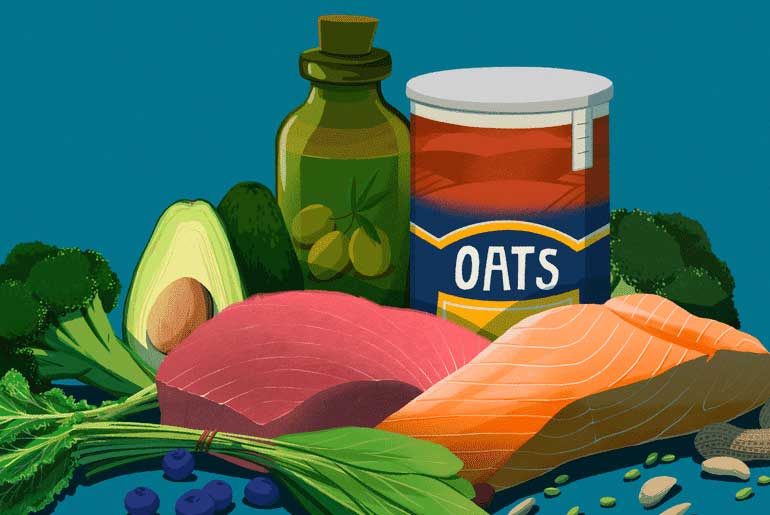
Leafy greens (kale, fenugreek, and spinach)
Eating more green leafy vegetables is associated with a decreased chance of developing diabetes as well as a lower incidence of the disease. To control insulin resistance and reduce blood sugar spikes, it is recommended to eat them at the start of a meal, before taking carbohydrates.
Whole grains (millets, brown rice, and oats)
Whole grains, according to the nutritionist, are a great source of magnesium, resistant starch, dietary fiber, and polyphenols—compounds that enhance insulin signaling, the primary regulator of metabolism, and inhibit the absorption of glucose. Consuming whole grains reduces the glycemic response.
The body’s metabolic response is often stronger in the morning; eating whole grains earlier in the day—especially at breakfast or lunch—may have a greater positive impact on glycemic management and glucose stability throughout the day.
Nuts and seeds (almonds, walnuts, flaxseeds, and chia seeds): Eating more nuts may help prevent and control diabetes. Specifically, some big studies—though not all of them—have identified a substantial correlation between a lower risk of Type 2 Diabetes and consuming more peanuts, walnuts, and other nuts. However, there are several restrictions; there haven’t been many explicit suggestions regarding nuts. These are nutrient-dense foods that include healthy profiles of monosaturated and polyunsaturated fatty acids, protein, soluble and insoluble fiber, vitamins K, folate, and thiamine, minerals like magnesium, copper, potassium, and selenium, and compounds like xanthophyll carotenoids, antioxidants, and phytosterol compounds that are known to improve human health and reduce the risk of diabetes.
The nutritionist found that eating almonds around snack time significantly reduced both serum glucose levels and feelings of hunger.
Fish high in fat (mackerel, sardines, and salmon)
Omega-3 fatty acids, which are abundant in fatty fish, may lessen chronic low-grade inflammation, which is a major cause of insulin resistance, according to the dietician. It is beneficial to include fatty fish in the main course. However, you must avoid fatty fish or see a doctor before consuming it if you have chronic kidney disease or are using blood thinners.
The dietician claims that berries, such as blueberries, strawberries, and Indian berries like jamun, are rich in fiber and antioxidants that help lower oxidative stress and enhance the body’s reaction to insulin. In moderation, berries make a delicious addition to smoothies, breakfast, or sweets after meals.
Why is food insufficient on its own?
Although nutrition plays a significant role, it is insufficient to reverse insulin resistance. A thorough strategy is required. Insulin sensitivity can be enhanced by regular exercise, a balanced diet, adequate sleep, and stress management. Sedentary lifestyles, sleep deprivation, and ongoing stress can undermine even the healthiest diet. Certain circumstances may necessitate medical supervision and treatment.
Disclaimer:
The information contained in this article is for educational and informational purposes only and is not intended as a health advice. We would ask you to consult a qualified professional or medical expert to gain additional knowledge before you choose to consume any product or perform any exercise.