
Many people consider cholesterol a “background issue”—something that shows up only in blood testing and goes unnoticed. Nonetheless, a 2024 study discovered that high cholesterol levels affect about 30% of Indians. Even in the absence of overt symptoms, high cholesterol can subtly damage your heart, arteries, and general health. Subtle indicators can have a big impact if they are identified early.
1. Shortness of breath or mild exhaustion when performing simple tasks
If arterial plaque restricts blood flow to the heart or muscles, even everyday activities may result in fatigue or dyspnea. An NIH study suggests that this combination of exhaustion and dyspnea could be an early indicator of vascular abnormalities. Such fatigue is a subtle warning that blood flow is being restricted, as opposed to the intense chest agony of a heart attack. Ignoring it could make undetected harm worse.
2. Tingling or Pain in the Legs When Walking (or at Rest)
Peripheral artery disease (PAD) can result from plaque accumulation in the arteries of the legs. Walking may cause cramping, heaviness, tingling, or burning in your calves; these symptoms subside with rest. Extreme situations may cause pain even when immobile. Many people ignore the link between these symptoms and cholesterol and write them off as “just tired legs” or aging.
3. Tiny yellowish lumps or rings
Sometimes, high cholesterol manifests as obvious lipid deposits:
- Yellowish patches close to the eyelids are known as xanthelasma.
- Corneal arcus: In younger individuals, the iris has white or grey rings surrounding it.
- Tendon xanthomas: Small bumps on the knuckles or Achilles tendon.
Seeing these symptoms is an excellent reason to check your cholesterol levels, even if you feel OK.
4. Skin Changes, Slow-Healing Ulcers, or Foot Pain
Poor circulation due to cholesterol accumulation often first affects the lower limbs. Numbness, cold sensitivity, thinning skin or nails, and wounds that heal slowly are symptoms. Even before serious problems like heart attacks happen, these problems need to be addressed since they show that the “pipes” are getting smaller.
5. Unexpected High Cholesterol Despite a “Healthy” Lifestyle
A normal weight or an apparently healthy diet does not always guarantee safe cholesterol levels. Genetics, metabolism, sleep, and stress also influence lipid levels. High cholesterol can have a subtle negative impact on your health even if there are no overt lifestyle hazards.
The Dangers of High Cholesterol
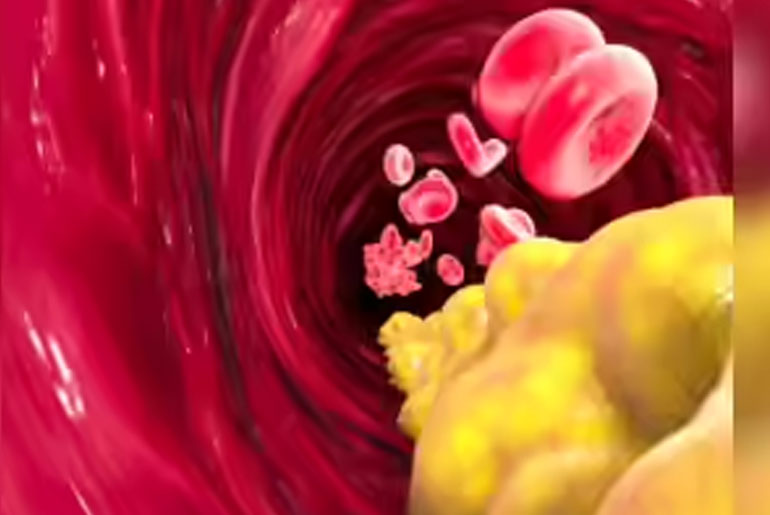
High cholesterol can cause atherosclerosis, which is the gradual buildup of fatty deposits in arteries. Among the repercussions are:
- Heart attacks (coronary artery blockage)
- Strokes (clogged arteries in the brain)
- decreased circulation in the limbs due to peripheral vascular disease
Elevated blood pressure
Because symptoms often do not appear until a crisis occurs, this condition is frequently referred to as a “silent killer.”
Ways to Reduce Cholesterol
Lifestyle adjustments remain key:
- Consume high-fiber Indian staples: Seasonal vegetables, beans, lentils, oats, and bran all help reduce LDL (or “bad”) cholesterol.
- Use healthier fats: Steer clear of deep-frying in old oil too often and go for fresh cooking oils (olive, peanut, or mustard).
- Regularly check your cholesterol: Internal risk can still exist in thin or apparently healthy people; have a lipid profile every 4–6 years, or earlier if there is a family history.
- Remain active: To promote HDL (or “good”) cholesterol, move about a lot during sedentary work hours.
- Handle stress and sleep: Chronic stress and poor sleep interfere with lipid metabolism; try to get 7 to 8 hours of sleep and engage in stress-reduction techniques like deep breathing or walking.
Rather than focusing on short-term diets, adopt sustainable eating habits by emphasizing plant-based foods, lean meats, and healthy fats.
Disclaimer:
The information contained in this article is for educational and informational purposes only and is not intended as a health advice. We would ask you to consult a qualified professional or medical expert to gain additional knowledge before you choose to consume any product or perform any exercise.