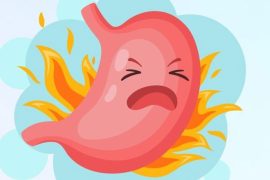

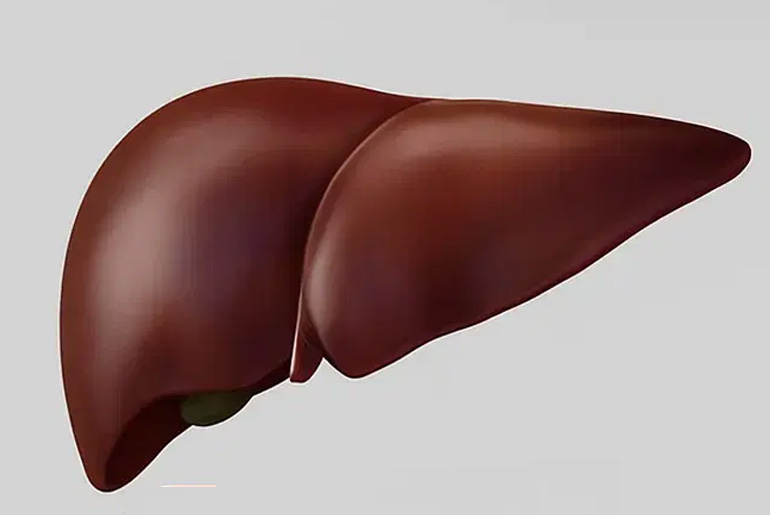
Sedentary lifestyles, high-calorie meals, obesity, diabetes, and metabolic disorders are all contributing factors to the rise in fatty liver disease, particularly Non-Alcoholic Fatty Liver Disease (NAFLD). Fatty liver frequently has no outward signs in its early stages. When symptoms do show up, they are typically minor and might be misinterpreted for common digestive problems like indigestion, acidity, or upset stomach. Treatment and diagnosis are frequently delayed by this overlap. Recognizing the minor symptoms can aid in early diagnosis and stop the development of more severe liver issues.
Fatty liver disease: what is it?
When too much fat builds up in the liver cells, fatty liver disease develops. It falls into two primary categories:
Non-alcoholic Fatty Liver Disease (NAFLD): Usually associated with obesity and insulin resistance, this condition is unrelated to alcohol consumption. Excessive alcohol use is the cause of alcoholic fatty liver disease.

Alcoholic Fatty Liver Disease: In the early stages, fat accumulation may not affect the liver’s ability to operate normally. It can, however, develop into cirrhosis, fibrosis, inflammation (steatohepatitis), or even liver failure if treatment is not received.
1. Constant fullness and bloating
A persistent sensation of heaviness or bloating in the upper abdomen is one of the most frequently misdiagnosed symptoms. A lot of individuals believe this is because of indigestion, gas, or overeating. On the other hand, pressure in the abdominal region, particularly on the right side under the ribs, can be caused by an enlarged, fatty liver.
In contrast to ordinary gas-related bloating, this discomfort might not go away with antacids and could continue even if dietary adjustments are not made.
2. Mild Abdominal Pain in the Upper Right
The upper right side of the abdomen may experience a dull aching or discomfort due to fatty liver. This is frequently confused with muscle strain, gastritis, or acidity.
Usually not severe, the pain feels like a persistent pressure or soreness. Many individuals disregard it or consider it as a transient digestive problem because it is minor.
3. Indigestion and Nausea
After meals, people with fatty livers may frequently feel nauseous, lose their appetite, or have indigestion. These symptoms are very similar to those of frequent gastrointestinal issues.
Regular occurrence of similar symptoms without obvious dietary triggers, however, may point to underlying liver stress rather than merely a digestive issue.
4. Weakness and Fatigue
Fatty liver disease frequently manifests as unexplained fatigue. Many people attribute it to their workload, stress, or insufficient sleep.
The liver is essential for detoxification and metabolism. Energy production may be impacted when fat buildup impairs its function, resulting in chronic fatigue that does not go away with rest.
5. Inexplicable Weight Shifts
Some people may experience progressive weight gain, especially around the abdomen, or struggle to lose weight even with their best efforts. Although lifestyle choices alone are sometimes blamed for this, fatty liver is tightly linked to insulin resistance and metabolic syndrome, both of which are factors in weight-related alterations.
6. Mild Discomfort or Swelling in the Abdomen
In more severe situations, fluid retention may result in mild abdomen edema. Simple digestion bloating can be mistaken for early edema. A medical evaluation is required if swelling becomes apparent or is accompanied by further symptoms.
When to Think It’s Not Just a Stomach Problem
If you have symptoms like nausea, bloating, or discomfort in your abdomen:
- Continue for a few weeks.
- These symptoms often occur without any nutritional explanation.
- These symptoms are often accompanied by exhaustion or unexplained weight gain.
- Do not get better with regular digestive drugs.
It could be prudent to have a medical examination. Fatty liver can be confirmeConsider using imaging techniques, such as ultrasound, along with blood tests like liver function tests.
Risk Elements That Raise Suspicions
Some people should exercise extra caution if they exhibit any of the following symptoms:
- Obese or centrally fat individuals
- People who have high blood sugar or diabetes
- People with elevated triglycerides or cholesterol
- Individuals who lead inactive lives
- People who have metabolic syndrome or PCOS
Mild “stomach” symptoms may potentially be an indication of liver problems in certain people.
In conclusion, Early on, fatty liver disease frequently shows no symptoms, and when it does, it may seem like a simple upset stomach. Fatigue, nausea, mild upper stomach pain, and persistent bloating are often ignored or mistakenly diagnosed as indigestion. Early diagnosis and the avoidance of consequences depend on the ability to recognize these subtle indicators, particularly in people with metabolic risk factors.
Disclaimer:
The information contained in this article is for educational and informational purposes only and is not intended as a health advice. We would ask you to consult a qualified professional or medical expert to gain additional knowledge before you choose to consume any product or perform any exercise.