
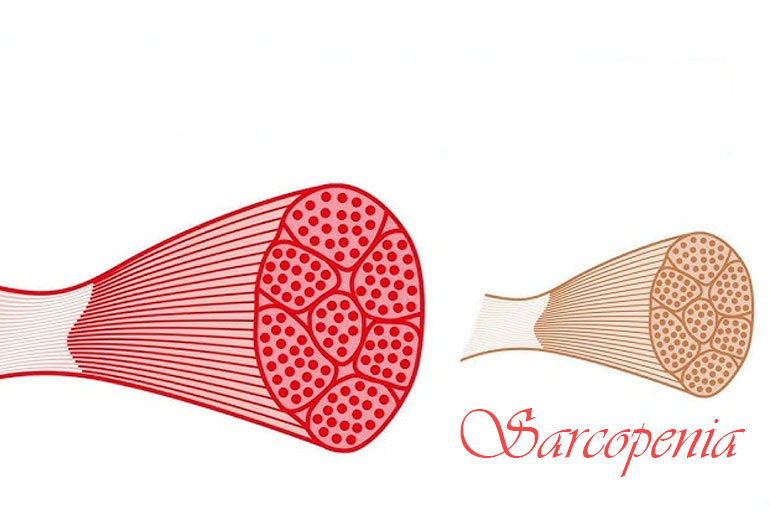
Have you ever noticed that people in their forties start to struggle with bags that once felt light or have difficulty climbing stairs they used to ascend easily? Sarcopenia, a subtle loss of muscle mass and strength, often accompanies this creeping weakness. If you break your habits, this insidious process, which starts in your thirties, can transform your greatest strength into a vanishing memory. It is by no means merely an old age problem.
It begins earlier than you may think
Many believe that sarcopenia waits until retirement, but research indicates that muscle loss accelerates between the ages of thirty and forty, losing three to eight percent every ten years. Hormones such as testosterone are at fault, along with sedentary lifestyles, low-protein diets, and subtle inflammation brought on by stress or excess weight. It accelerates by the fifties, especially in the absence of resistance, which results in weaker grips, slower walking, and more falls that eventually cause frailty.
Changes initially seem slight, such as a little more weariness after walks or chairs that are harder to get out of. Soon, daily lifts become exhausting, balance falters on uneven terrain, and weakness strikes the arms and legs. Losing weight also conceals it since fat seeps into contracted muscles, exacerbating the tendency toward reliance or falls that no one anticipates. It is accelerated by Indian diets that are high in carbohydrates but low in protein, which affect urban desk workers early in the inflammatory process caused by pollution.
The role of lifestyle is crucial in contemporary living.
Sitting dominates modern life, reducing muscle signals, while inadequate sleep and missing meals hinder overnight repair work. Chronic illnesses like diabetes and low vitamin D, which are prevalent in this area, compound to cause normal aging to accelerate. Everyone loses some mass over time, according to Cleveland Clinic studies, but sarcopenia strikes more quickly in the absence of physical training or 20 to 30 grams of protein per meal.
Easy ways to defend yourself
- Aim for eight to twelve repetitions each set on key groups when pushing back with the fundamentals twice a week.
- Legs are strengthened by half-wall squats, which involve standing back from the wall with your feet wide, sliding down with your knees bent halfway, holding or pulsating, and then rising.
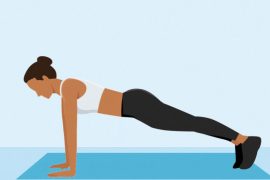
- Wall presses, which include facing the wall, bending elbows near to the chest, and pushing away, strengthen the shoulders and chest.
- For quadriceps, add seated leg lifts. Sit tall, raise one knee straight out, hold it for two seconds, lower it slowly, and then switch sides.
- To replicate everyday raises without exertion, finish with chair stands, no hands if possible, and 10 controlled rises and falls.
Create routines for long-lasting strength: Strategies to help people with sarcopenia
Aim for one gram per pound of body weight each day by combining protein-rich foods like eggs or dal paneer with your workouts. To stimulate growth hormones, walk briskly for thirty minutes most days. Use grip tests or stair times on a monthly basis to monitor your improvement. Resistance is the best defense, according to Frontiers research, which even starts late and reduces loss by half. Small lifts now pay large later. If you catch it early in your thirties, your sixties will feel robust and unstrained.
Disclaimer:
The information contained in this article is for educational and informational purposes only and is not intended as a health advice. We would ask you to consult a qualified professional or medical expert to gain additional knowledge before you choose to consume any product or perform any exercise.