
Let’s say you’re going about your usual day when you see blood in your stool. It’s common to worry that it’s just hemorrhoids. Although hemorrhoids are frequently the cause of bleeding, there are other causes as well. Colorectal cancer is one dangerous illness associated with this symptom. Younger folks are increasingly being diagnosed with this type of cancer. It is often discovered later on, when there are fewer alternatives for treatment.
Colorectal cancer: what is it?
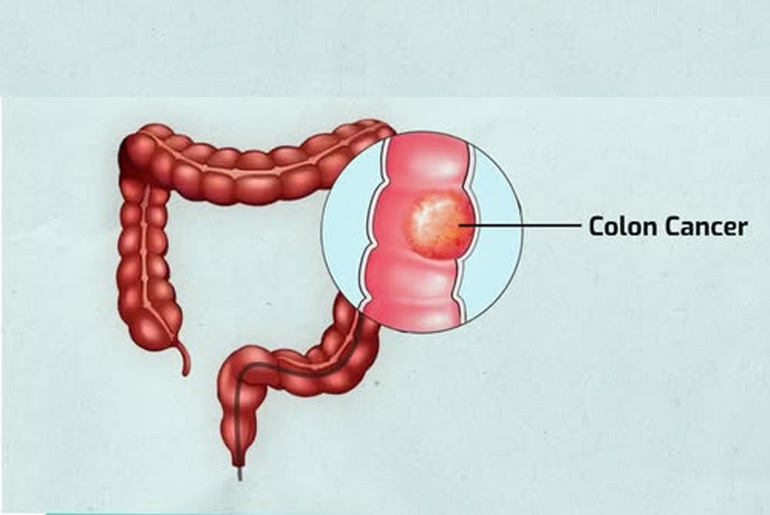
The colon or rectum, which are sections of the large intestine, is where colorectal cancer begins. It is a common cancer that can kill and cause serious health issues. “This cancer typically starts as polyps, which are tiny growths on the colon’s inner lining.” The majority of polyps are harmless, but if left untreated, some can develop into cancer. Although colorectal cancer primarily affects older folks, it is becoming more common in younger people; therefore, awareness is crucial.
There are numerous factors that can raise your risk of colorectal cancer. “Eating many processed meats, not eating enough fruits and vegetables, smoking, being overweight, and living a sedentary lifestyle can all make you more vulnerable,” according to the physician. It’s critical to monitor these behaviors to reduce your risk.
What are colorectal cancer’s early warning signs?
Particularly in the case of colorectal cancer, understanding your body can help save your life. “Piles may cause bright red blood and irritation around the anus, but colorectal cancer shows different signs,” according to the doctor.
The following six warning indicators are important to pay attention to:
- Modifications to bowel habits: A more significant problem in your colon may be indicated if you get constipation or diarrhea frequently, or if you notice that your stools are narrow.
- Blood in stool: Examine the blood’s color and consistency. The physician suggests that bright red blood could signal an issue in the lower gastrointestinal tract. Dark, tar-like blood suggests a problem higher up in the system.
- Persistent abdominal pain: Consistent stomach bloating or pain is considered abnormal. You ought to discuss it with a medical expert.
- Unexpected weight loss: If you are losing weight without making an effort, it could indicate a medical condition like cancer.
- Iron-deficiency anemia: Anemia brought on by prolonged tumor hemorrhage can result in weakness, pallor, and exhaustion. If you experience persistent fatigue without an obvious reason, it is important to investigate this further, as the process may take time.
- Feeling of incomplete emptying: Following a bowel movement, it might be a worrying feeling that your bowels haven’t been fully emptied.
A colonoscopy: what is it?
The first thing you should do is speak with a healthcare provider if you have any of these symptoms. They may recommend several tests, including stool testing, clinical examinations, and frequently a colonoscopy. According to the expert, “a colonoscopy allows doctors to see the inside of your bowel.” They can do a biopsy, or small tissue sample, to look for malignant cells if they discover anything out of the ordinary.
Disclaimer:
The information contained in this article is for educational and informational purposes only and is not intended as a health advice. We would ask you to consult a qualified professional or medical expert to gain additional knowledge before you choose to consume any product or perform any exercise.