
Even while military presses, crunches, and deadlifts are beneficial workouts, orthopaedic specialists frequently advise caution when performing them, especially for novices, because improper technique, excessive load, or pre-existing musculoskeletal limitations increase the risk of injury. The following is how various specialists formulate their suggestions:
1. The press behind the neck or overhead
Reasons for using caution: Shoulder pain can result from side and front rises; however overhead motions are acceptable. Behind-the-neck presses cause the rotator cuff to be overworked, which can lead to shoulder impingement or chronic damage.

An overhead press in front of the torso is a safer option for shoulder joints, according to experts.
2. Crunches
Reasons for using caution: Crunches put additional strain on the lower back and neck. Muscular imbalances, disc tension, and chronic discomfort can result from repetitive spinal flexion.
Expert advice: Use bridges for lower back and glute strength and planks for total core stability. These substitutes strengthen the base, enhance posture, and lower the incidence of back injuries.
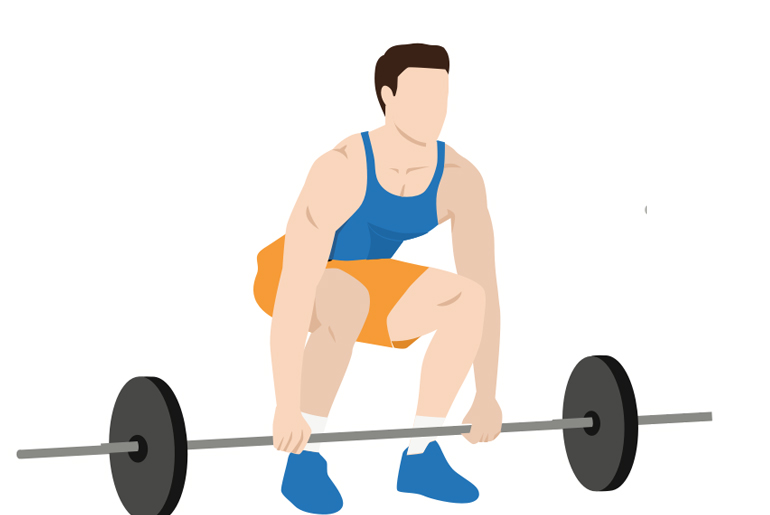
3. Deadlifts
Reasons for using caution: Performs without balance or training and sees “more injuries than advantages.” Deadlifts are especially dangerous for those with weak bones, pre-existing disc problems, or neurological disorders because they can result in disc prolapse and lumbar/cervical fractures.
Safe for skilled lifters with good form and balance, according to experts. In order to rule out heart, ligament, or bone problems, beginners should first have a physical examination and train under supervision. Gradual progress that strikes a balance between strength and cardio is ideal.
General Tips for Novices
- Before beginning rigorous training, have a physical and medical evaluation.
- To guarantee proper form, collaborate with a certified trainer.
- Before moving on, begin with personalized, low-to-moderate intensity exercises.
- For total fitness, strike a balance between strength and cardio.
While acknowledging the benefits of these exercises, orthopaedics emphasize that their safety depends on form, context, and individual preparation. The risk of long-term joint and spinal damage is decreased for the majority of beginners by using safer substitutes (planks, bridges, front-overhead press, and lesser compound lifts).
Disclaimer:
The information contained in this article is for educational and informational purposes only and is not intended as a health advice. We would ask you to consult a qualified professional or medical expert to gain additional knowledge before you choose to consume any product or perform any exercise.