
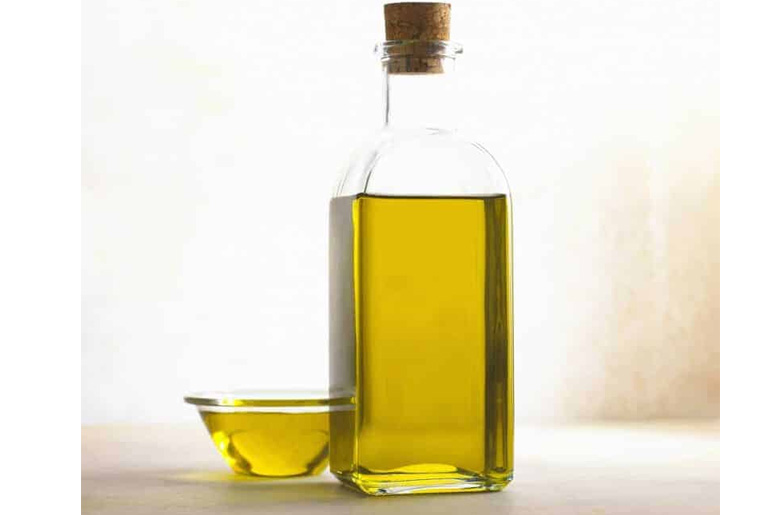
We have been using refined oil in our homes for a long time. A study published in May 2016 found that dietary factors—in particular, edible oils—have a significant impact on the development, management, prevention, and treatment of coronary heart disease (CHD). Given the importance of cooking oils in Indian cuisine, care must be taken, and one must educate oneself on the advantages and disadvantages of different oils.
Five ways that refined oil is bad for your heart health
Heart specialist and cardiologist Dr. Anurag Sharma listed five ways that refined oil damages our bodies in an Instagram post on September 6. The expert said, “You may have used refined oils for years…but do you know what it does to your body?” The intent is to make you aware of it. Take action to safeguard your heart because it is really valuable.
In his post, the cardiologist emphasized the following five factors:
1. It increases LDL, or bad cholesterol, which clogs our arteries even more.
2. It results in persistent inflammation, which deteriorates our heart and blood vessels.
3. Because of the high omega-6 and damaged fats, frequent use of refined oil also contributes to obesity and diabetes.
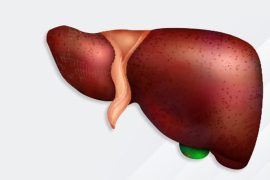
4. It leaves chemical leftovers in our bodies that can damage our stomach and liver.
5. Using refined oil also raises the risk of hypertension, heart attack, and stroke.
Which oils work best for cooking Indian food?
However, what kind of oil is best for cooking? Ghee, coconut oil, mustard oil, sesame oil, and groundnut oil are the five oils that cardiologist Dr. Alok Chopra recommended for Indian cuisine in an Instagram post published on June 15. Find out more about these oils’ many health advantages here.
Disclaimer:
The information contained in this article is for educational and informational purposes only and is not intended as a health advice. We would ask you to consult a qualified professional or medical expert to gain additional knowledge before you choose to consume any product or perform any exercise.