
Recognizing excessive exercise: What is it?
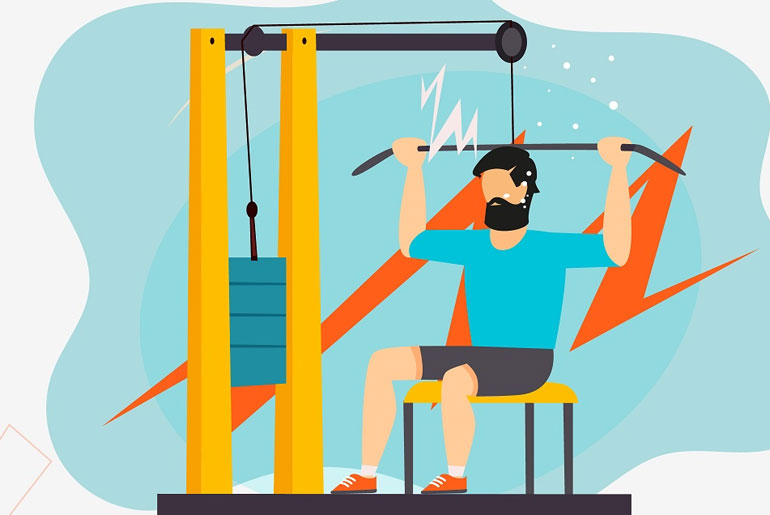
OOver-exercising, also known as overtraining, happens when the body is pushed beyond its ability to recover, resulting in physical and mental strain. It often results from excessive intensity, duration, or frequency of workouts without adequate rest. Common signs include persistent fatigue, decreased performance, muscle soreness that doesn’t subside, frequent injuries, insomnia, irritability, and a weakened immune system. Over-exercising can disrupt hormonal balance, increase stress levels, and even affect mental health, leading to anxiety or depression. Proper recovery, balanced training, and listening to the body’s signals are essential to prevent the harmful effects of overtraining and maintain overall health.
Performance Decline
A discernible decline in performance is among the first indications of over-exercising. You might discover that once-manageable exercises are more difficult now, and you have less strength, endurance, or speed. This deterioration happens because your nervous system and muscles haven’t had enough time to heal, which causes progress to stall or even reverse.
Persistent exhaustion or sagging legs
The main signs of overtraining include heavy or sluggish legs, persistent fatigue, and a general feeling of exhaustion. The body may feel exhausted even after rest or sleep, indicating that recovery times are insufficient. Chronic weariness might eventually affect everyday activities and vitality levels.
Issues with Sleep and a High Resting Heart Rate: Excessive exercise frequently throws off sleep cycles, leading to insomnia or restless nights. Furthermore, a morning resting heart rate that is too high may be a sign that the body is experiencing stress and is having trouble recovering. Both symptoms indicate that rest and cautious workout intensity management are necessary.
Regular Illnesses or Persistent Injuries: Overtrained people frequently have compromised immune systems, which leaves them more vulnerable to infections, colds, and injuries that take a long time to heal. Recurrent injuries, joint discomfort, or persistent aches may be signs that the body is being overextended and not healing appropriately.
Mood swings and a lack of drive: Excessive exercise can have a negative impact on mental health by causing anxiety, low motivation, irritation, or even depression. It’s an indication that the body and mind need a vacation when training begins to feel more like a chore than an exciting activity.
Appetite loss, inexplicable weight fluctuations, or disturbed metabolism: Hormones that control hunger and metabolism might be upset by excessive exercise. The body may experience additional stress as a result of this, including decreased appetite, inexplicable weight loss or increase, and trouble sustaining energy levels.
Sturdy Muscle Soreness and Slow Recuperation: Days-long muscle discomfort and a sluggish recovery from exercise are telltale signs that the body is overworked. Muscles cannot effectively repair themselves without adequate rest, which raises the risk of injury and chronic weariness.
Take a few days off or engage in less strenuous activities instead
Recovering from strenuous exercise requires giving your body a break. Muscles can be repaired, weariness can be decreased, and energy levels can be restored with even a few days of total rest or by replacing it with low-intensity exercises like stretching, strolling, or moderate yoga.
Track your mood and resting heart rate: You can assess your level of recuperation by monitoring your mental state and resting heart rate. Continued irritation or a continuously high heart rate could be signs that your body needs more sleep. By paying attention to these cues, you can modify your workout before overtraining results in more damage.
Pay Attention to Sleep and Diet: For healing, getting enough sleep and eating a healthy diet are essential. While a nutrient-rich diet promotes muscle recovery, hormone balance, and general health, sleep enables your body to rebuild tissues and replenish energy. Another important factor in the healing process is drinking enough water.
Reduce and Increase Gradually: Temporarily lower the amount or intensity of your workouts rather than immediately returning to more strenuous ones. Recurrence of overtraining is reduced when intensity or duration is gradually increased over time to allow the body to adjust safely.
Schedule Days of Rest: For long-term performance and health, you must include regular rest days in your training regimen. Long-term motivation and consistency are maintained, weariness is avoided, and the chance of injury is decreased with planned recuperation days.
Disclaimer:
The information contained in this article is for educational and informational purposes only and is not intended as a health advice. We would ask you to consult a qualified professional or medical expert to gain additional knowledge before you choose to consume any product or perform any exercise.