
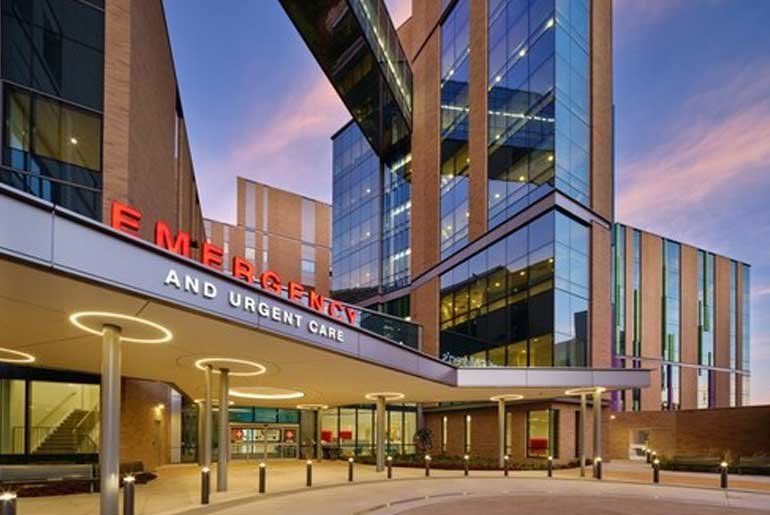
America’s children have less access to “highly ready” care in 2021 than they had in 2013, according to a new, comprehensive examination of pediatric emergency care readiness. This is a worrying trend that has probably not changed over the previous four years.
The study was directed by Allan Joseph, MD, MPH, who is currently at Cincinnati Children’s, together with a group of colleagues from the University of Pittsburgh and three additional institutions. The Journal of Pediatrics published it online on September 26, 2025. The report presents the most recent findings from the National Pediatric Readiness Project (NPRP), which was started in 2003 and is financed by the federal government.
“Our findings show a mix of changes in pediatric emergency care capability across the eight-year study period,” Joseph states. “In some areas, technology upgrades and better processes have resulted in notable improvements in readiness. However, in many areas, such improvements have been offset by staffing shortages, rural hospital closures, and budget challenges that have caused some hospitals to cut back on pediatric capacity.”

The University of Pittsburgh’s Division of Critical Care and Department of Health Policy & Management primarily assembled the most recent findings. Jeremy Kahn, MD, MS, served as the senior author and oversaw a comparable analysis of the NPRP’s 2013 report.
Important conclusions
More than 4,600 emergency rooms, including those located in hospitals with adult and pediatric specialties, had their pediatric care readiness evaluated as part of the research. A few examples of rating elements are proving quality-improvement initiatives, achieving recommended practice standards, staffing levels and capabilities, regional collaboration, and more. Approximately one-third of the points pertain to supplies and equipment.
When emergency systems score 88 or higher on a 100-point scale, they are deemed “highly ready” to serve children. A 2024 study found that this level lowers mortality when treating critically ill children. If a child resided within 30 minutes of such centers, they were deemed to have timely access.
Among the findings:
- The overall number of emergency departments serving children declined from 4,681 to 4,660, even as the overall population of children in the US was steady.
- The percentage of US children with timely access to a highly ready emergency department fell from 70.2% to 66.7%, which means over 2.1 million children lost access to top-quality care. The loss of access declined faster for children in urban areas vs. rural areas.
- Across the nation, approximately 1 million children lost timely access to any emergency department, highly ready or not, during the study period.
- The study also documented significant improvements in some states and regions, where local partnerships with children’s hospitals and statewide policies to verify pediatric care capabilities appeared to help improve readiness scores.
Study Provides Data for Planning
The most recent study does not identify which hospitals and which regions see the most severe decreases in readiness due to a data-sharing agreement.The study does not rank locations with the highest level of readiness..Rather, the study sends a report to each participating institution outlining its position in relation to national averages..
“In the United States, healthcare services are highly localized. “While industry-wide recommended best practices do exist and resources are available at the national and state level to help hospitals improve, it will ultimately be up to each affected community to decide how to best respond to their readiness status,” Kahn states.
The co-authors did highlight certain initiatives to improve emergency care preparedness for children.
A PediTree decision tool, for instance, is available in Maryland to assist emergency clinicians in triaging cases and directing more serious cases to hospitals that are prepared.
Trauma centers at all levels are now required to undergo routine pediatric readiness evaluations to receive or maintain recognition from the American College of Surgeons. In the past, hospitals that wanted to do well on the test were the ones who took the time to do it. According to Joseph, this procedure might help raise standards for pediatric preparedness.
In the meanwhile, various state-level ideas might be involved. Some politicians suggest that all emergency rooms should report pediatric care readiness, and they should make the results public. Some are considering formal regulations that require EMS providers to transport children directly to a highly prepared emergency room, even if it means avoiding a nearby hospital.
What comes next?
According to Joseph, the tracking team has observed anecdotal evidence that readiness is still declining even though the study’s data period ends in 2021.The NPRP will conduct another nationwide assessment in 2026 and subsequently make the findings public..
Disclaimer:
The information contained in this article is for educational and informational purposes only and is not intended as a health advice. We would ask you to consult a qualified professional or medical expert to gain additional knowledge before you choose to consume any product or perform any exercise.