
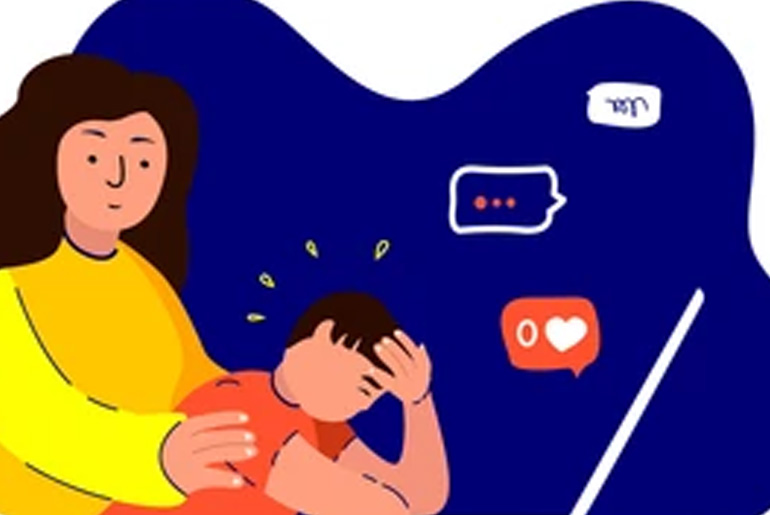
Psychologists are increasingly seeing burnout in schools as well, so it is no longer just a problem for working people. Emotional exhaustion, lack of enthusiasm, anger, and even physical fatigue can result from academic pressure, extended study sessions, an overwhelming amount of homework, and less free time. Children’s innate curiosity and love of learning start to wane when they are pressured to perform all the time without enough time for play or relaxation.
The Value of Equilibrium
Child psychologists contend that children’s mental and emotional health depends on a regular schedule that strikes a balance between play, relaxation, and education. While structured learning develops discipline and knowledge, play fosters creativity and problem-solving abilities, while rest replenishes mental and physical vitality. Keeping these three factors in balance promotes children’s holistic development without making them feel overburdened or alienated.
- Play: The Basis of Emotional Well-Being
Play is not only enjoyable; it is a child’s innate method of learning about the world. Children learn how to communicate, engage with others, and control their emotions through play. They can freely explore their hobbies, grow their imaginations, and decompress during unstructured playing. To promote brain growth and mood stability, psychologists advise engaging in creative indoor play as well as outside physical activity for at least one to two hours every day.
- Rest: The Secret to Healing and Development
Learning retention and emotional equilibrium depend on getting enough sleep, which includes both restful sleep and downtime during the day. Children who don’t get enough sleep frequently experience concentration problems, emotional fluctuations, and subpar academic results. To aid with brain recharge, experts advise creating regular sleep schedules and including brief pauses in between study sessions. Rest also includes quiet time to calm the nervous system, such as reading for enjoyment or engaging in mindfulness exercises.
- Learning: Promoting Inquisitiveness Rather Than Coercion
Instead of inspiring dread of failure, learning should be a joyful activity that piques curiosity. In contrast to rote memorization, psychologists stress the value of experiential learning, which includes discussions, hands-on experiences, and instruction based on discovery. Every child learns at a different speed, so parents and teachers should set reasonable academic expectations. Children gain confidence and internal drive when inquiries, inventiveness, and mistakes are welcomed as a natural part of the learning process.
Establishing a Harmonious Schedule
Children can successfully combine play, relaxation, and education with the support of a well-organized daily schedule. Psychologists advise breaking up the day into manageable chunks, such as early bedtime rituals, family time, and concentrated study sessions punctuated by brief play breaks. To promote mental healing, weekends and non-academic days should be devoted to leisure and relaxation. This framework prevents fatigue while encouraging self-discipline.
Parents’ and schools’ roles
Schools and parents both have important roles to play in preserving this equilibrium. Parents can limit screen time, promote outdoor play, and provide an example of good work-rest practices at home. Reducing excessive homework, implementing play-based learning, and creating an emotionally safe environment are all ways that schools may promote mental health. The likelihood of burnout is greatly reduced when the school and family collaborate to put the child’s mental health first.
In conclusion
In addition to academic success, schoolchildren’s emotional resilience and love of learning must be fostered in order to prevent burnout. Children can develop cognitively and intellectually by striking a balance between play, sleep, and study. In addition to enhancing performance, this balance establishes the groundwork for creativity, emotional intelligence, and long-term wellbeing.
Disclaimer:
The information contained in this article is for educational and informational purposes only and is not intended as a health advice. We would ask you to consult a qualified professional or medical expert to gain additional knowledge before you choose to consume any product or perform any exercise.