
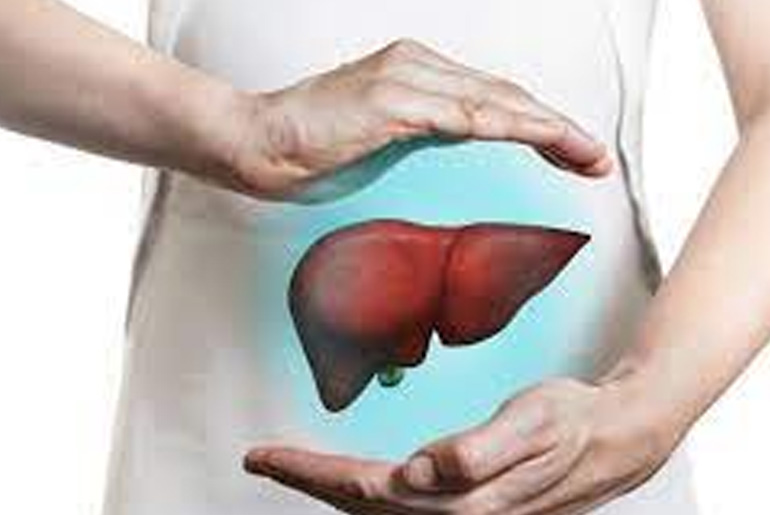
Liver illness is steadily ascending to the forefront of global health issues. Actually, it’s estimated that 30.2% of people around the world are affected by metabolic dysfunction-associated steatotic liver disease (MASLD), which used to be called non-alcoholic fatty liver disease A growing number of people are subtly gaining fat in their livers as a result of sedentary lifestyles, high-calorie meals, and an increase in obesity and type 2 diabetes. This illness has the potential to worsen into cirrhosis, fibrosis, and inflammation if untreated. The scary issue is that until the damage is severe, it frequently exhibits no signs.
The good news is that recent studies have shown that exercise, even if it doesn’t result in drastic weight reduction, can considerably lower liver fat. When combined with diet, it may even help correct this so-called “silent liver disease.” Recent reviews and clinical trials have shown that regular physical activity, of specific kinds and intensities, can enhance liver indicators, stop the progression of the disease, and considerably reduce liver fat. More significantly, exercise directly improves the metabolism of the liver in addition to aiding in weight loss.
This tutorial will explain what fatty liver is, why it’s harmful, and five different workout regimens that can help reverse it. These exercise recommendations provide a proactive way ahead, regardless of whether you’ve just received a diagnosis or you just want to safeguard your liver health.

Fatty liver disease: what is it?
The most prevalent chronic liver disease worldwide is metabolically-dysfunction-associated steatotic liver disease (MASLD), formerly known as non-alcoholic fatty liver disease (NAFLD). When the liver accumulates more fat (lipids) than about 5–10% of its weight, fatty liver disease develops. This fat infiltration is not innocuous; it can eventually lead to scar tissue, inflammation (which can develop into steatohepatitis), reduced liver function, and an elevated risk of kidney and cardiovascular disease.
Many people are unaware that they are afflicted because the disease’s early symptoms frequently don’t show up until it is advanced. If MASLD is not treated, it may develop into cirrhosis, fibrosis, or metabolic steatohepatitis (MASH/NASH), which raises the risk of liver failure or possibly liver cancer.
Exercise’s significance for fatty liver
Exercise is crucial to the treatment of fatty liver and not just a sidekick, according to a great deal of research. A systematic investigation found that aerobic exercise is “an effective strategy for the prevention and regression of hepatic steatosis (fat buildup) in patients with NAFLD.”
By “reducing liver fat as well as improving aerobic fitness, blood pressure, blood fats like cholesterol, physical strength, and body composition,” exercise benefits the liver, according to the Liver Foundation. Crucially, these advantages are evident even in cases of mild weight loss, proving that the benefits of liver-specific exercise go beyond weight loss.
According to the American Gastroenterological Association, weight control can be achieved by engaging in strength (resistance) training at least twice a week and aiming for 150 to 300 minutes of moderate-intensity aerobic exercise or 75 to 150 minutes of vigorous-intensity activity per week.
A moderately intense aerobic activity, brisk walking (also known as light jogging) is done at a pace of three to four and a half miles per hour, or roughly 100 steps per minute. It isn’t too quick to prevent you from speaking in short words, but it is swift enough to cause your heart to race and your breathing to become labored. This easy exercise is considered moderate-intensity aerobic exercise. Studies have shown that even brisk walking can lower liver fat content and raise liver enzyme levels in individuals with nonalcoholic fatty liver disease.
Try to do such walking five times a week for 30 to 45 minutes at a tempo that allows you to talk while your breathing becomes more labored.
Riding a bicycle or a stationary bike
Cycling is another aerobic option that works big muscles, improves insulin sensitivity, and encourages the liver to oxidize fat. Anyone who enjoys indoor exercise can use a stationary bike with handlebars that simulate riding a bicycle, a seat, and pedals. These bikes offer a cardiovascular, low-impact workout that strengthens the lower body and may be used at different intensities to improve joint health, endurance, and calorie burning. Cycling was the modality of choice in several NAFLD trials.
Start with three to four 30-minute workouts per week, then progressively increase the length or intensity.
Training with high-intensity intervals (HIIT)
Think sprints, burpees, jump squats, and mountain climbers. High-intensity interval training (HIIT) is a type of training that alternates short bursts of explosive or intense anaerobic exercise with short rest intervals until you reach your limit. You can do the exercises with or without equipment like bikes or treadmills. HIIT is shorter but more intense, alternating brief bursts of work with rest and recovery. In individuals with metabolic dysfunction-associated steatohepatitis (MASH), a high-intensity program considerably enhanced liver health compared to usual therapy, according to a recent study.
For instance, perform a one-minute sprint, a rapid pedal, or a two-minute easy ride six to ten times.
Strength training through resistance
In resistance or strength training, muscles are worked against an outside force to increase muscle hypertrophy, strength, and endurance. Resistance bands, weight machines, free weights, or your body weight can all provide force in this type of training. Your muscles should be challenged in order for them to adapt and become stronger over time. Resistance bands, bodyweight workouts, and weightlifting all help develop muscle mass, enhancing metabolic regulation, promoting fat burning, and supporting liver health. Both resistance and aerobic training lower the amount of fat in the liver, according to a meta-analysis.
It is effective to target all major muscle groups with three workouts each week.
Exercise that combines resistance and aerobics
Aerobic exercise, sometimes referred to as “cardio,” strengthens the heart and lungs and improves circulation by using oxygen to produce energy. It also raises your heart and breathing rates by rhythmically and consistently using big muscle groups. Resistance training, on the other hand, strengthens bones and muscles, which enhances balance, lowers the chance of injury, and facilitates daily tasks. It also offers major health advantages, such as helping people manage their weight by increasing their resting metabolism. It has been shown that combining resistance and aerobic exercise can have synergistic effects on insulin sensitivity, liver fat reduction, and whole-body metabolic effects.
For example, mix two strength training sessions with three aerobic sessions per week to observe the effects for yourself.
Disclaimer:
The information contained in this article is for educational and informational purposes only and is not intended as a health advice. We would ask you to consult a qualified professional or medical expert to gain additional knowledge before you choose to consume any product or perform any exercise.