

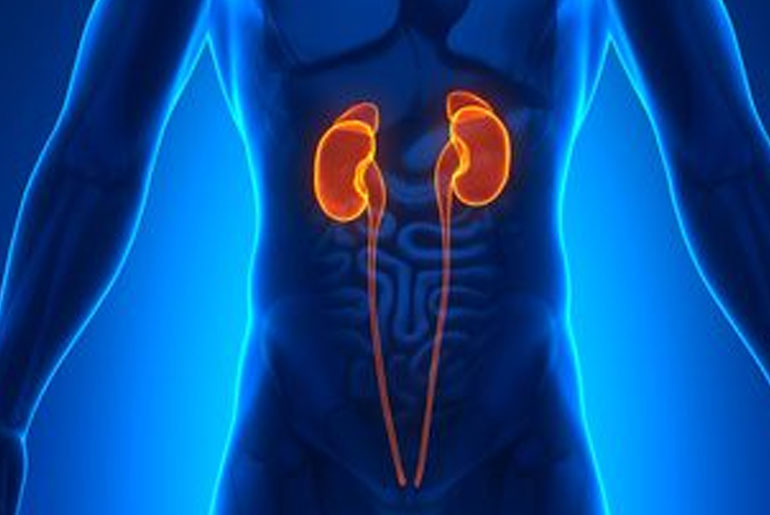
The kidneys are vital organs that keep the body’s electrolyte levels stable, balance fluids, and filter waste. The body frequently exhibits early warning indicators as kidney function starts to deteriorate, many of which manifest in the legs. Even though they may appear insignificant, symptoms like swelling, tingling, or strange discomfort can indicate more serious health issues. Early detection of these symptoms is essential to avoiding major renal problems. Swelling, heaviness, weakness, tingling, and restlessness are some of the leg sensations that might be significant markers of kidney problems.
Leg Warning Signs of Kidney Problems:
Tingling or numbness in the legs
When the kidneys are unable to adequately filter waste, toxins can accumulate in the bloodstream and cause tingling or “pins and needles” sensations in the legs and feet. Numbness or strange sensations may result from these poisons’ impact on nerve function. Often overlooked, this symptom could indicate underlying kidney problems.

Leg, ankle, or foot swelling
Lower body oedema is one of the most obvious indicators of kidney problems. This happens when fluid accumulates in tissues due to the kidneys’ inability to efficiently eliminate extra fluid. The feet, ankles, and legs may appear swollen or enlarged as a result. This swelling might feel tight or painful, and it frequently becomes worse after extended standing or sitting.
Diminished Leg Strength and Muscle Weakness
The body’s equilibrium of vital minerals like calcium and potassium can be upset by kidney problems. These abnormalities have a direct effect on muscle function, resulting in leg weakness, exhaustion, and decreased strength. It might be challenging for people to exercise, climb stairs, or even carry out everyday tasks without feeling exhausted.
Syndrome of Restless Legs
Another illness that is frequently linked to kidney problems is restless legs syndrome (RLS). It results in an overwhelming need to move the legs, particularly at night or during repose. This may cause persistent discomfort and interfere with sleep. Iron deficiency and altered nerve function in renal disease patients are frequently associated with RLS.
Legs Feeling Tight or Heavy
A persistent feeling of tightness or heaviness in the legs may also indicate kidney problems. This sensation is typically associated with increased tissue pressure and fluid retention. It can eventually make basic actions like standing or walking more taxing and uncomfortable, which can impact mobility and daily living.
The Significance of These Symptoms
These leg-related complaints may be early indicators of renal impairment rather than merely minor annoyances. Ignoring them could lead to more severe phases of the illness, like chronic renal disease. Early detection facilitates prompt diagnosis, improved care, and the avoidance of consequences.
Safeguarding Kidney Health
Simple yet effective lifestyle choices are necessary to maintain kidney health. Kidney function can be preserved by drinking plenty of water, cutting back on salt, controlling blood pressure and blood sugar, and avoiding overusing drugs like painkillers. Early detection and prevention are also greatly aided by regular exercise and health examinations.
Swelling, heaviness, weakness, tingling, and restlessness are some of the leg sensations that might be significant markers of renal health. Even though they might seem innocuous at first, they frequently indicate deeper problems that need to be addressed. Protecting kidney function, ensuring early treatment, and promoting general well-being can all be achieved by being aware of these warning signs and acting proactively.
Disclaimer:
The information contained in this article is for educational and informational purposes only and is not intended as a health advice. We would ask you to consult a qualified professional or medical expert to gain additional knowledge before you choose to consume any product or perform any exercise.