
A common medical ailment that many people ignore in its early stages is a hernia. It is defined by medical professionals as a structural weakening in the tissues or muscles that typically support organs. A noticeable bulge or swelling may result from an internal organ or tissue pushing through the weakest area when this weakness develops. Medical professionals caution that a hernia is a surgical condition that should not be disregarded, even though it may initially appear harmless or painless. Serious consequences may result if treatment is not received. People may safeguard their health by knowing what a hernia is and why prompt treatment is important.
A Hernia: What Is It?
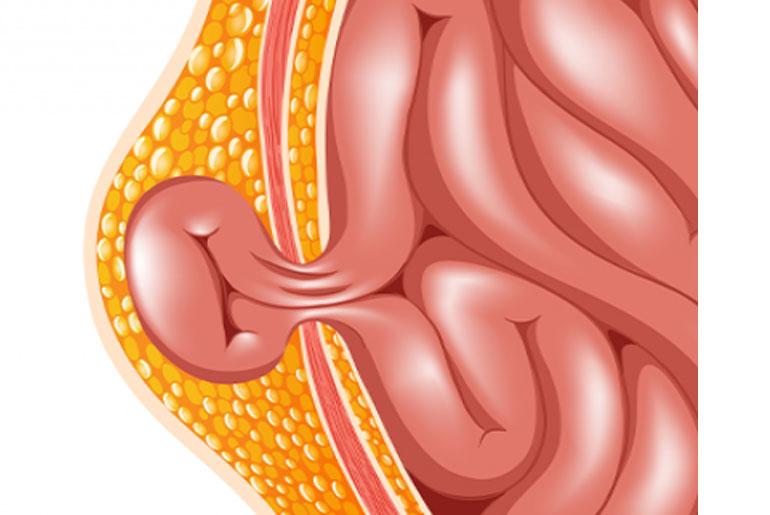
When an internal organ or fatty tissue pushes through a weak point in the surrounding muscle or connective tissue, a hernia results. This frequently causes a lump or protrusion that may become more apparent when a person strains, coughs, bends, or lifts heavy objects. The most prevalent locations for hernias are the groin or abdomen.
Muscle weakness from birth or conditions like heavy lifting, persistent coughing, obesity, or extended standing that raise intra-abdominal pressure might cause the syndrome. Tissues eventually push through the weak spot due to the pressure, creating a hernia.

Typical Hernia Types
Depending on the location of the hernia in the body, doctors can distinguish between several forms.
- The most prevalent kind is an inguinal hernia, which develops in the groin when a portion of the intestine pushes through a weak place in the abdominal wall.
- When tissue pushes through the abdominal muscles surrounding the navel, an umbilical hernia develops close to the belly button.
- A hiatal hernia occurs when a portion of the stomach pushes into the chest cavity through the diaphragm.
- Femoral Hernia: Less common, but frequently observed in women, this condition affects the upper thigh or groin region.
All types need to be evaluated by a doctor, even though their symptoms and methods of therapy may differ.
Signs That Could Point to a Hernia
A palpable protrusion beneath the skin is frequently the most obvious sign of a hernia. However, depending on the kind and intensity, additional symptoms could also appear.
Coughing, bending over, and soreness or discomfort when lifting heavy objects are common symptoms. Some people experience a scorching or heavy feeling where the bulge is located. Acid reflux, chest pain, or trouble swallowing are possible symptoms in some situations, particularly with hiatal hernias.
Some hernias may not hurt at first, but symptoms may worsen over time.
Why You Shouldn’t Ignore a Hernia
Physicians stress that a hernia does not heal by itself. The weak spot in the muscle wall cannot heal itself, in contrast to mild injuries or muscle strains. The hernia may get bigger and more painful over time.
Incarcerated Hernia, a disease where the projecting tissue becomes trapped, is one of the most dangerous sequelae. In more serious situations, the blood supply to the trapped tissue may be cut off, resulting in a medical emergency called a strangulated hernia. In addition to requiring emergency surgery to avoid tissue damage, this can result in excruciating pain, nausea, and vomiting.
Management and Treatment
Surgery is typically the best course of action because a hernia cannot heal on its own. Surgery to repair a hernia puts the bulging tissue back into position and strengthens the weak spot in the muscular wall. Many patients can recover more rapidly and with fewer complications because to modern surgical techniques, such as minimally invasive treatments.
To lessen pressure on the abdomen, doctors may also advise changing one’s lifestyle. These include treating a persistent cough, controlling constipation, avoiding hard lifting, and keeping a healthy weight.
In conclusion, Although a hernia may first seem as a tiny bulge or slight discomfort, it is a problem that should never be disregarded. It cannot go away on its own and may get worse over time because it is caused by a structural weakness in the muscle wall. Quality of life can be enhanced and complications can be avoided with early diagnosis and appropriate medical care. The best method to safely and effectively manage this surgical condition is to recognise the signs and get medical advice as soon as possible.
Disclaimer:
The information contained in this article is for educational and informational purposes only and is not intended as a health advice. We would ask you to consult a qualified professional or medical expert to gain additional knowledge before you choose to consume any product or perform any exercise.