
Food, particularly sweet or carbohydrate-rich foods, is typically the first thing that comes to mind when people consider rising blood sugar levels. Blood glucose might rise for a number of causes other than nutrition, according to medical professionals. Hormones, stress reactions, and everyday activities can all affect the body’s release and utilisation of glucose. Unexpectedly, even healthy behaviours like exercise might occasionally result in brief blood sugar rises. People, particularly those with diabetes or insulin resistance, can better control their blood glucose levels by being aware of these lesser-known triggers. In addition to meals, these five unexpected things can cause blood sugar levels to rise.
1. Strenuous Exercise May Increase Blood Sugar Temporarily
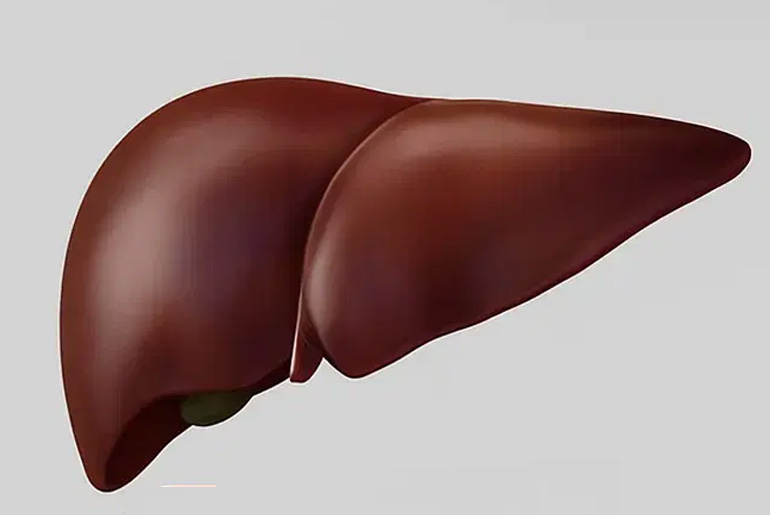
Although some forms of exercise can momentarily raise blood sugar levels, exercise is generally good for blood sugar regulation. Stress hormones like cortisol and adrenaline are released by the body during intense or demanding exercise. In order to give muscles rapid energy, these hormones tell the liver to release stored glucose into the bloodstream.
This effect is more prevalent while engaging in strenuous interval exercise, heavy lifting, or running. This brief increase in blood sugar can be unexpected for those with diabetes. However, as muscles use the extra energy, glucose levels typically stabilise or even decrease after the workout.

2. Anxiety and Stress
Blood sugar levels can be significantly impacted by emotional stress. The body goes into “fight-or-flight” mode when a person is under stress or worry. The liver releases more glucose into the bloodstream when stress hormones like cortisol and adrenaline rise.
Therefore, long-term stress can make controlling blood sugar more difficult, especially for those with Type 2 diabetes or insulin resistance. Deep breathing, yoga, meditation, and regular exercise are examples of relaxation methods that can help reduce stress and promote improved glucose control.
3. Inadequate or Lack of Sleep
Sleep is essential for controlling hormone balance and metabolism. Sleep deprivation can lower insulin sensitivity, which makes it more difficult for the body to transfer bloodstream glucose into cells.
Blood sugar levels can alter noticeably after just one or two sleepless nights. Individuals who regularly get less than six hours of sleep every night may have elevated fasting glucose levels and a higher chance of developing diabetes or prediabetes. Making good sleep a priority aids the body in maintaining consistent hormone and blood sugar levels.
4. Disease or Infection
Stress hormones can raise blood sugar levels when the body fights a sickness or infection. Fever, inflammation, and infection are examples of conditions that cause the body to create more glucose in order to fuel the immune system.
Because of this, diabetics frequently experience elevated blood sugar levels while they are ill. During illness, doctors typically advise better glucose monitoring, proper drug regimens, and water.
5. Specific Drugs
Blood sugar levels may rise as a side effect of certain drugs. Drugs, including corticosteroids, some blood pressure drugs, and some psychiatric medications, might cause the liver to produce more glucose or interfere with insulin function.
For instance, long-term usage of drugs like prednisone is known to raise blood sugar levels. People should talk to a healthcare provider about their prescriptions if they observe inexplicable rises in their blood sugar levels in order to see whether any changes are necessary.
In conclusion, While nutrition has a significant impact on blood sugar regulation, other factors also affect glucose levels. Unexpected blood sugar increases can be brought on by intense activity, mental stress, sleep deprivation, illness, and some drugs. People can better comprehend changes in their glucose levels and take action to effectively manage them if they are aware of these causes. Over time, blood sugar levels can be kept healthier and more stable with the right lifestyle choices, stress reduction techniques, and medical advice.
Disclaimer:
The information contained in this article is for educational and informational purposes only and is not intended as a health advice. We would ask you to consult a qualified professional or medical expert to gain additional knowledge before you choose to consume any product or perform any exercise.