

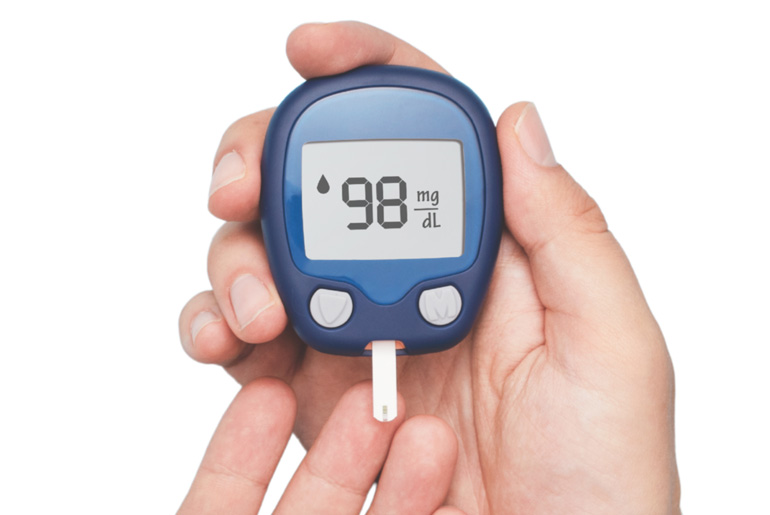
One of the most dangerous elements of diabetes is uncontrolled diabetes. Glucose levels that remain elevated gradually impact the body’s organs, including the heart, kidneys, eyes, nerves, and blood vessels. Many people may overlook early signs or confuse them for smaller health problems because the harm frequently takes time to manifest. However, when blood sugar is not adequately managed, the body typically sends forth unambiguous warning signals. Early detection of these signs can help avoid serious problems and enable people to take prompt action, including regular monitoring, medical treatment, and lifestyle modifications.
1. Dehydration brought on by elevated blood sugar is indicated by increased thirst
Polydipsia, a medical term for excessive thirst, is one of the first indicators of uncontrolled diabetes. The body tries to eliminate the excess glucose through urine as blood sugar levels rise. Dehydration results from this process, which causes fluid loss. The brain consequently produces signals that heighten the desire to consume water. The sensation of thirst may persist even after consuming liquids, particularly at night.

2. When the kidneys attempt to eliminate extra glucose, frequent urination results
Excessive thirst is sometimes accompanied by polyuria, or frequent urinating. The excess sugar is eliminated through urine when blood glucose levels increase above what the kidneys can reabsorb. Urination increases as a result of the body being forced to expend more water. Individuals may observe that they wake up several times at night and need to urinate more frequently during the day. This tendency may eventually result in exhaustion, dehydration, and sleep disturbances.
3. The inability of cells to efficiently use glucose causes extreme hunger
If insulin is inadequate or useless, the body’s cells may not get enough energy despite elevated blood sugar levels. Polyphagia, or excessive hunger, results from this disease, which causes the brain to communicate hunger. People may seek more food than normal or feel hungry shortly after eating. This reaction occurs as a result of the body’s inability to effectively employ the glucose that is available for energy.
4. The body burning stored energy causes unexplained weight loss
The body starts to break down stored fat and muscle for energy when glucose cannot access the cells adequately. Even if eating habits stay the same, this results in abrupt or inexplicable weight loss. Although uncontrolled diabetes can also cause this symptom, Type 1 diabetes is typically linked to it. Depending on how severe the disease is, weight loss could happen gradually or quickly.
5. A lack of useable energy causes persistent weariness
The body uses glucose as its primary energy source. The body experiences persistent fatigue and weakness when cells are unable to obtain this fuel because of inadequate insulin action. This weariness may impact daily productivity, focus, and general physical performance. People may still feel worn out even after getting enough sleep or eating a healthy meal because their bodies are unable to efficiently turn glucose into energy.
6. Fluid changes in the eyes cause blurred vision
Because high blood sugar draws fluid from surrounding tissues, including the lens, it can have an impact on the eyes. Vision becomes blurry or distorted as a result of the lens swelling and momentarily changing shape. Long-term high glucose levels can harm the retina’s tiny blood vessels, raising the risk of dangerous diseases, including diabetic retinopathy, which can eventually impair eyesight.
7. Weakened immunity is shown in infections and slow-healing wounds
Diabetes that is not under control might weaken the immune system and affect blood circulation. Cuts, sores, and other injuries heal more slowly as a result of the body taking longer to restore damaged tissues. Additionally, infections are more common in people with high blood sugar, especially in the skin, gums, urinary tract, and feet. If glucose levels stay high, even small wounds like blisters or insect stings could take weeks to heal.
8. Nerve injury is indicated by tingling or numbness in the hands and feet
Diabetic neuropathy is a condition where persistently elevated blood sugar damages the nerves. It typically starts with slight burning, tingling, or numbness in the fingers or toes. The illness may eventually worsen and cause discomfort, diminished sensation, or trouble moving. Loss of feeling in the feet is especially risky since injuries may go unreported, raising the possibility of ulcers and infections.
In conclusion, Multiple organs can be subtly impacted by uncontrolled diabetes, which also greatly raises the risk of long-term health issues. Never disregard symptoms like excessive thirst, frequent urination, persistent hunger, inexplicable weight loss, exhaustion, hazy eyesight, slow-healing wounds, and nerve-related sensations. The body uses these warning signs to indicate that blood glucose levels might be dangerously elevated. Diabetes can be effectively managed with early detection, consistent blood sugar monitoring, a nutritious diet, exercise, and appropriate medical care. Vital organs can be safeguarded, complications can be avoided, and general health and quality of life can be enhanced by acting promptly.
Disclaimer:
The information contained in this article is for educational and informational purposes only and is not intended as a health advice. We would ask you to consult a qualified professional or medical expert to gain additional knowledge before you choose to consume any product or perform any exercise.