

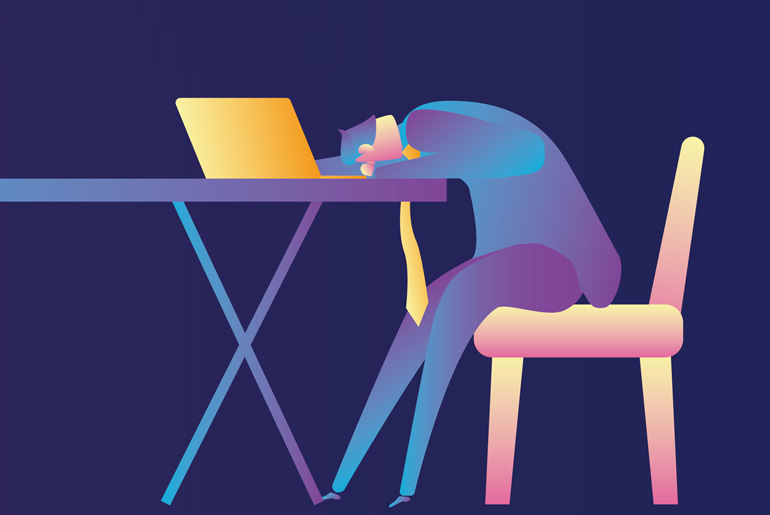
In today’s work culture, people typically have to work long hours, do many things at once, and keep their minds busy all the time. Dedication to work might help you progress in your career, but working long hours can make you feel worn out, slow, and foggy. A lot of people realise that after a lengthy period of focus, they start to have trouble thinking effectively, remembering things, or staying concentrated. In addition to long hours at work, there are several hidden triggers that can influence memory, brain function, and mental clarity without you even knowing it.
How Long Workdays Affect Your Brain
The brain needs a lot of energy all day long to absorb information, solve problems, and make choices. When you work long hours with few breaks, your brain gets too much information to handle. These conditions can make it harder for neurones to talk to each other and make you tired mentally. When the brain gets fatigued, things that are usually easy to do may start to feel too hard. People could have trouble focusing, take longer to finish chores, or forget simple things.
Memory and mental fog
When you have mental fog, your thinking feels cloudy, slow, or unfocused. It can affect your attention span, decision-making, and memory. After a long day of work, the brain could have trouble processing new information well. Memory performance can get worse, which makes it harder to remember conversations, chores, or vital information. Long-term mental weariness can affect both short-term productivity and long-term cognitive performance.

Things that affect the mind and memory without you knowing it
1. Not getting enough good sleep
Sleep is incredibly important for making memories and healing the brain. Lack of sleep or poor sleep makes it hard for the brain to comprehend and store information. People who don’t get enough sleep often have trouble concentrating, remembering things, and thinking clearly.
2. Long-Term Stress
Stress hormones like cortisol are made in greater amounts when stress levels are high. Cortisol levels that stay high for a long time can hurt parts of the brain that are important for memory and learning. Chronic stress can also make you mentally and emotionally tired.
3. Not eating well
For the brain to work properly, it needs nutrients, including proteins, vitamins, healthy fats, and antioxidants. Eating many processed foods, sweets, and bad fats may make you less clear-headed and tired. Not getting enough nutrients might also hurt your memory and brain function.
4. Not drinking enough water
Even a little bit of dehydration might make your brain work less well. Drinking too little water can cause headaches, trouble concentrating, and less alertness. To keep your mind clear and focused all day, you need to drink enough water.
5. Too Much Time on the Screen
Many occupations these days need you to be in front of a computer screen all the time. Staring at screens for a long time can make your eyes hurt, make you tired mentally, and make it harder to pay attention. Blue light exposure may also hinder sleep, which can affect brain function.
6. Not enough exercise
Moving around regularly helps blood flow to the brain and keeps you healthy. Being inactive, especially during lengthy workdays, can cut off oxygen to the brain and make you feel worn out and sluggish.
How to Keep Your Brain Healthy When You Work Long Hours
To keep your brain healthy, you need to make sure you live a certain way. Taking small breaks between jobs can help you think clearly and get your thoughts back on track. Eating balanced meals, drinking enough water, and including brain-boosting foods like fruits, vegetables, nuts, and healthy fats will all help keep your mental energy up. Regular exercise, getting enough sleep, and stress-management techniques like deep breathing or mindfulness can all help memory and cognitive performance even more.
Long workdays can be quite hard on the brain, which can lead to mental weariness, trouble concentrating, and memory problems. But things like getting too little sleep, being under a lot of stress, eating poorly, drinking too little water, spending too much time in front of a screen, and getting too little exercise can make these impacts worse. People may safeguard their mental clarity, improve their memory, and keep their cognitive function high even when they have a lot of work to complete by being aware of these things and making healthy choices every day.
Disclaimer:
The information contained in this article is for educational and informational purposes only and is not intended as a health advice. We would ask you to consult a qualified professional or medical expert to gain additional knowledge before you choose to consume any product or perform any exercise.