
People with fatty liver disease often have other metabolic health concerns, such as obesity, diabetes, and high cholesterol. But health experts now say that its effects may go beyond the liver and affect other organs, such as the eyes. Doctors say that persons with non-alcoholic fatty liver disease may be more likely to have certain eye problems because of the inflammation, metabolic imbalance, and poor blood flow that come with the disease. Knowing how this link works is critical for finding problems early and managing your health better overall.
How Fatty Liver Affects More Than Just the Liver
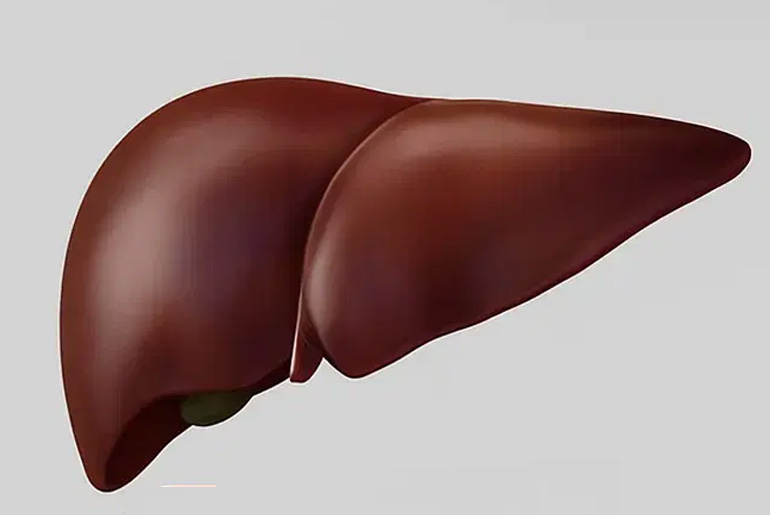
Fatty liver happens when too much fat builds up in liver cells, making it harder for the liver to work properly. This syndrome is often linked to metabolic problems like excessive cholesterol, obesity, and Type 2 diabetes. Experts say that these metabolic problems might cause long-term inflammation all across the body.
This inflammation throughout the body could hurt blood vessels and sensitive tissues in many organs, even the eyes. Fatty liver disease can make it harder for blood to flow and for the body’s metabolism to work properly. This can make it more likely that eyesight problems will happen.

Higher Chance of Eye Problems
Doctors say that those with fatty liver disease may be more likely to get some eye problems. Diabetic Retinopathy is one of the most common worries, especially for people who already have diabetes. If not treated properly, this illness can damage the tiny blood vessels in the retina and cause vision loss.
Dry Eye Syndrome is another possible problem. Fatty liver can affect the production of tears and the health of the surface of the eyes because of inflammation and metabolic abnormalities. People with this condition may have symptoms like burning, irritation, redness, and blurry vision.
Role of Inflammation and Oxidative Stress
Experts say that oxidative stress is a big part of the connection between liver disease and eye health. Fatty liver can cause the body to make free radicals, which are toxic chemicals that hurt cells and tissues. These chemicals can harm retinal cells and other parts of the eye, which raises the chance of degeneration over time.
Fatty liver illness can produce long-lasting inflammation, which can potentially damage the small blood capillaries that bring oxygen and nutrients to the retina. When these vessels get hurt or clogged, it can make it hard to see and perhaps lead to serious eye problems.
The Importance of Finding Out Early and Making Changes to Your Life
Doctors say that persons with fatty liver disease should also take care of their eyes. Regular eye exams can help find early signs of retinal damage or other problems before they get worse.
Changing your lifestyle is still one of the best methods to deal with fatty liver and lower the health risks that come with it. Keeping a healthy weight, doing workouts often, eating a balanced diet, and controlling illnesses like diabetes and high cholesterol will make your liver much healthier and minimise your chance of eye problems.
In conclusion, Fatty liver disease may damage more than only the liver; it may also have an effect on eye health. Conditions like Non-alcoholic fatty liver disease may raise the risk of eye issues like Diabetic Retinopathy and Dry Eye Syndrome by causing inflammation, oxidative stress, and metabolic imbalance. Experts say that early diagnosis, regular health checks, and modifications to your lifestyle are all important for protecting your liver function and vision. Taking actions to improve your metabolic health can help you avoid problems and keep your eyes healthy in the long run.
Disclaimer:
The information contained in this article is for educational and informational purposes only and is not intended as a health advice. We would ask you to consult a qualified professional or medical expert to gain additional knowledge before you choose to consume any product or perform any exercise.