
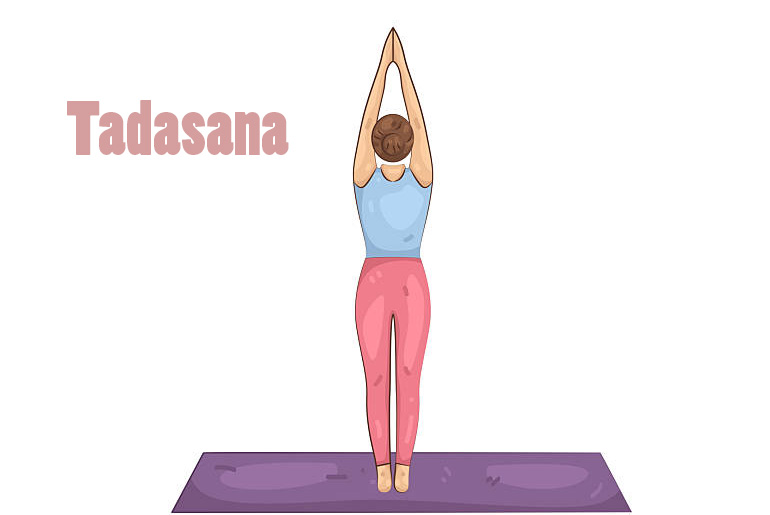
We don’t usually think about how we stand. But bad posture, excessive time spent at a desk, and insufficient movement can slowly harm our spines, respiration, and even blood flow. The mountain posture, or tadasana, is what you need to do here. It may look like a basic standing position, but it’s actually a strong stretch that works your whole body and helps you become stronger and more conscious.
Tadasana is the base for many standing yoga positions and helps the body learn how to stand tall and balanced. This simple stance can help your posture, blood flow, and lung function in a natural and long-lasting way if you do it regularly.
How tadasana helps you stand up straighter and eases back discomfort

Tadasana works by putting the spine in its natural curves and making the legs and core stable. When done frequently, it can help fix slouching and rounded shoulders, which are two significant causes of long-term back pain.
The IJRAR Research Journal conducted a study that indicated this stance makes the knees, thighs, and ankles stronger, which gives the body a sturdy platform. Once the lower body is strong and stable, the spine naturally gets longer, which relieves stress. Over time, this can help minimise the risk of back pain and discomfort caused by bad posture.
How mountain posture helps blood flow
Tadasana isn’t only about how you stand; it also helps blood flow. The stance stretches the biggest muscle groups and takes pressure off the blood arteries, which lets blood flow more freely.
Tadasana enhances venous return, which is the speed at which blood flows back to the heart. This, together with deep breathing, makes sure that muscles and organs get enough oxygen. A good posture and calm breathing combination improve circulation and energy levels.
Benefits for breathing: Improved lung function and breathing
Controlled breathing is a crucial aspect of tadasana. Your lungs will expand more fully as you hold the stance and breathe deeply. This makes it easier for oxygen to pass from the lungs into the blood, which is called diffusion capability.
The International Journal of Yoga published a study that revealed that these kinds of activities can help individuals with chronic obstructive pulmonary disease (COPD) by making their lungs work better. Regular practice improves breath awareness and helps people stay calm, even if they are healthy.
How to do tadasana safely?
To practise tadasana, do these things:
- Put your feet shoulder-width apart.
- Put the same amount of weight on both legs.
- Roll your shoulders back and tighten your core.
- Breathe in and elevate your heels while standing on your toes.
- Hold your arms above your head for up to 60 seconds while looking at one location.
Novices should practice with help, especially pregnant women and people with arthritis.
Disclaimer:
The information contained in this article is for educational and informational purposes only and is not intended as a health advice. We would ask you to consult a qualified professional or medical expert to gain additional knowledge before you choose to consume any product or perform any exercise.