
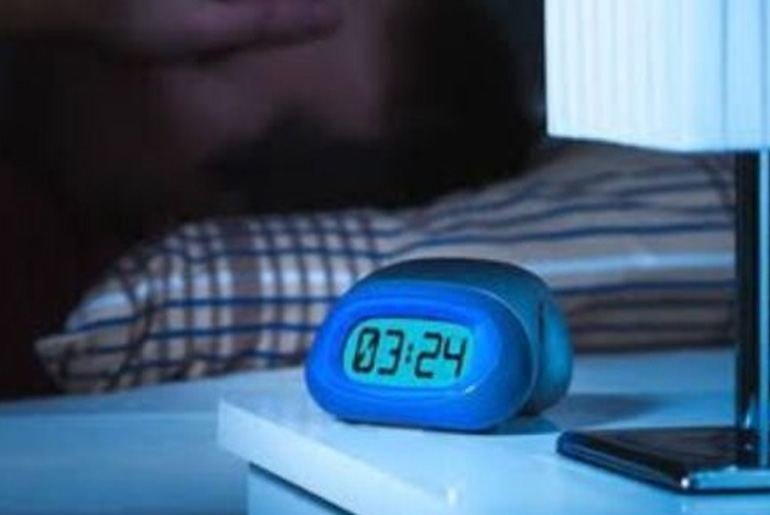
It can be annoying to wake up around 3 AM, especially if you were sleeping soundly and then suddenly woke up. A lot of people think that waking up at night means you have a significant health problem, but sleep physicians say that the phenomenon is normal. Knowing why it happens will help you feel less anxious and make it easier to fall back asleep quickly. Let’s look at the science behind waking up at 3 AM and some useful techniques to deal with it.
What makes people wake up around 3 AM?
1. Natural Sleep Patterns
Sleep happens in cycles that last around 90 minutes and include light sleep, deep sleep, and REM (rapid eye movement) sleep. At about 3 AM, many people move from deeper sleep to lighter sleep. It’s simpler for the brain to wake up during this lighter phase, especially if there is noise, a change in temperature, or stress inside the body.
2. Stress and Levels of Cortisol
Cortisol, the body’s stress hormone, starts to surge in the early morning to get you ready to get up. When you’re stressed or anxious, your cortisol levels may rise earlier than usual, which can make you wake up suddenly. It can be tougher to get back to sleep if you ponder too much or worry at night.
3. Changes in blood sugar
If you ate a lot of food, drank wine, or had a sugary snack before bed, your blood sugar levels may go up and down during the night. When your blood sugar drops, it might cause adrenaline to be released, which can wake you up.
4. Changes in hormones
Changes in hormones, especially in women going through perimenopause (the transitional period before menopause) or menopause (the time when menstrual periods permanently stop), can make it hard to sleep. Changes in oestrogen and progesterone levels might cause night sweats, trouble sleeping, or waking up early in the morning.
5. Bad Sleep Habits
Going to bed at different times, spending too much time on screens, drinking coffee at night, or sleeping in an uncomfortable place can all make sleep lighter and more broken up, which makes it more likely that you will wake up at 3 AM.
How to Quickly Go Back to Sleep
1. Don’t look at the clock and be calm.
Checking the time again and again makes you more anxious and mentally active. Keep in mind that waking up for a short time is normal and not harmful.
2. Do Deep Breathing
For example, try breathing slowly by inhaling for four seconds, holding your breath for four seconds, and then exhaling for six seconds. This gets the parasympathetic nervous system going, which helps the body relax.
3. Stay Away from Your Phone
Screens that give off blue light lower the level of melatonin, the hormone that makes you sleepy. Your brain can wake up completely by scrolling through social media or reading emails.
4. Get up if you need to
If you can’t get back to sleep in 15 to 20 minutes, get up and do something tranquil, like read a book in low light. Once you fall asleep again, go back to bed.
5. Help keep blood sugar levels stable
Eat a balanced dinner that has protein, healthy fats, and fibre. Don’t eat or drink too many sweets or alcohol before bed.
6. Keep a regular schedule
Every day, even on weekends, go to bed and get up at the same hour. Keeping a regular sleep schedule helps your circadian rhythm.
When to Go to the Doctor
If you wake up around 3 AM often and snore loudly, gasp for air, or have persistent anxiety, sadness, or extreme tiredness during the day, you should see a doctor. If you have insomnia, sleep apnoea, or a mood issue, you may need to see a doctor for thorough evaluation and treatment.
Most of the time, waking up at 3 AM is not a significant problem. It could be due to normal sleep cycles, stress hormones, lifestyle patterns, or hormonal changes. The most important thing is to be cool, stay away from activities that make you excited, and help people sleep well. You may teach your body to go back to sleep more quickly and get deeper, more restorative sleep by sticking to a regular schedule, managing stress, and being aware at night.
Disclaimer:
The information contained in this article is for educational and informational purposes only and is not intended as a health advice. We would ask you to consult a qualified professional or medical expert to gain additional knowledge before you choose to consume any product or perform any exercise.