

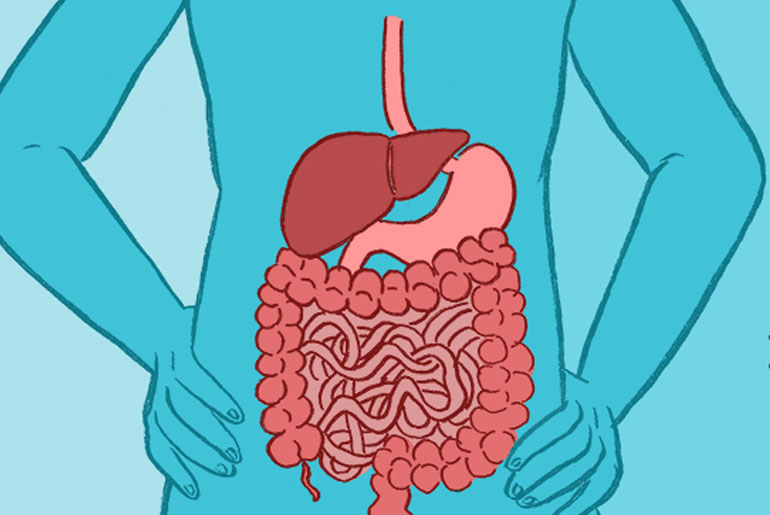
Many people say they have a “sensitive stomach” when they often feel bloated, gassy, or acidic; have stomach discomfort; feel sick; or have irregular bowel movements after eating particular meals. It is normal to have occasional stomach problems that aren’t serious, but if the symptoms keep getting worse or don’t go away, they could be a sign of a more serious gastrointestinal problem. Gastroenterologists emphasize the importance of distinguishing between minor food intolerance and symptoms that may indicate a more serious medical issue with the digestive tract.
Things that can make your stomach sensitive
A sensitive stomach might be caused by things you do every day, like eating spicy foods or oily foods, drinking coffee, being stressed, or not eating at regular times. Conditions such as acid reflux, gastritis, dietary intolerances (including lactose intolerance), or irritable bowel syndrome (IBS) can cause intermittent pain. In many circumstances, you may control your symptoms by changing your food, lowering your stress levels, and making other changes to your life. But if symptoms happen often, are severe, or get in the way of daily living, you should see a doctor.

Signs of Danger That You Shouldn’t Ignore
Gastroenterologists say that some symptoms should never be written off as just “stomach sensitivity.” These include unexplained weight loss, vomiting that doesn’t go away, trouble swallowing, blood in vomit or stool, black or tarry stools, severe or worsening abdominal discomfort, anemia, or a rapid change in bowel habits, especially in people over 45–50 years old. These red flags could mean that you have more serious problems, like ulcers, inflammatory bowel disease, infections, or even tumors of the digestive system.
When It Might Be a Serious Health Problem
If you have chronic stomach pain and diarrhea, it could be a sign of inflammatory bowel illnesses like Crohn’s disease or ulcerative colitis. If you have heartburn that won’t go away with medicine, it could mean you have severe acid reflux or problems like esophagitis. If you don’t treat your digestive problems for a long time, they can cause nutritional shortages, dehydration, and other problems. Early diagnosis leads to better outcomes, especially when prompt treatment can stop the disease from getting worse.
What Stress and Lifestyle Do
Stress has a big effect on digestive health because of the gut-brain connection. Stress and anxiety can make symptoms like bloating, cramps, and irregular bowel movements worse. Not getting enough sleep, not exercising enough, and eating processed meals might make gut sensitivity worse. Taking care of your gut health means managing stress, eating a balanced diet high in fiber, drinking enough water, and working out regularly.
When to Go to the Doctor
If your stomach problems last longer than a few weeks, get worse, or come with other worrying symptoms, you should see a doctor. Getting medical counsel early might help rule out dangerous diseases and give you the right therapy. A sensitive stomach is usually not a problem, but knowing the warning signals makes sure that deadly infections are not missed.
Disclaimer:
The information contained in this article is for educational and informational purposes only and is not intended as a health advice. We would ask you to consult a qualified professional or medical expert to gain additional knowledge before you choose to consume any product or perform any exercise.