
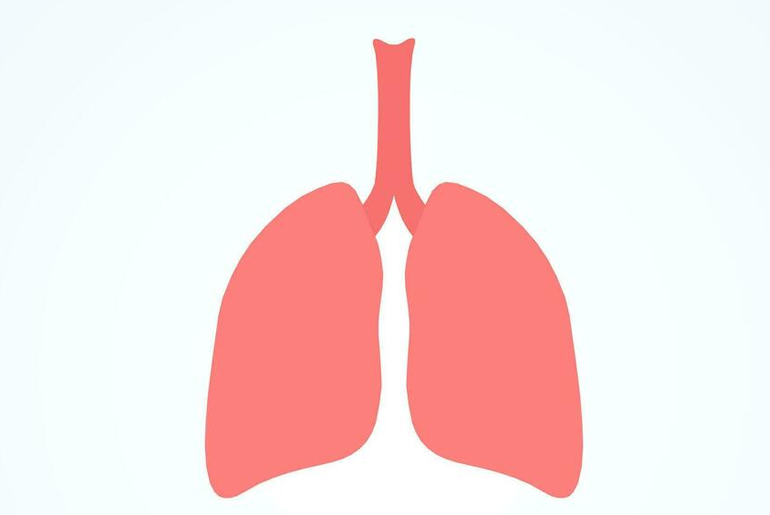
Colder temperatures, more pollution, and an increased risk of respiratory infections, colds, and coughs are all associated with winter. Lung care becomes particularly crucial during this time of year. A key element of yoga, pranayama focuses on controlled breathing methods that soothe the mind and strengthen the respiratory system. Frequent breathwork can increase oxygen flow, lung capacity, and resistance to seasonal illnesses.
Breath Controlled by Pranayama:
Pranayama refers to the deliberate regulation and control of breathing. The word is a combination of “ayama” (expansion or control) and “prana” (life energy). Inhaling, exhaling, and occasionally holding your breath are all part of it. Pranayama enhances lung efficiency and promotes improved oxygen circulation throughout the body by regulating breathing patterns. The practice is especially beneficial in the winter, when respiratory problems are more prevalent.

Pranayamas Are Beneficial to the Lungs
Many pranayama practices directly support lung health. Anulom Vilom regulates oxygen levels and enhances airflow. Bhastrika Pranayama improves oxygen intake and fortifies the muscles of the lungs. Clearing respiratory passageways and increasing breathing efficiency are two benefits of kapalbhati. Regular practice of these can improve lung capacity and guard against respiratory issues brought on by winter.
Immunity Increased by Pranayama:
Pranayama improves oxygen delivery and lowers stress, which indirectly boosts immunity. The parasympathetic nervous system is triggered by deep breathing, which reduces stress hormones that might impair immunity. Better circulation also guarantees that oxygen and nutrients get to cells efficiently. Regular pranayama can help boost the body’s natural defenses against illnesses, which are more likely to spread throughout the winter.
Pranayamas Beneficial for the Brain:
Anulom Vilom and Bhramari Pranayama are very helpful for mental clarity and brain wellness. Bhramari is a technique that soothes the nervous system and enhances concentration by making a soft humming sound as you exhale. By improving oxygen transport to brain cells, these breathing techniques promote emotional equilibrium, memory, and focus.
Primary Goal of Pranayama Practice:
Pranayama’s primary goals are to balance the nervous system and control the body’s vital energy flow. It acts as a link between meditation and actual yoga poses. Beyond its physical advantages, pranayama fosters emotional stability, mental clarity, and inner harmony.
How Does the Mind Get Affected by Pranayama?
The mind can be calmed via pranayama. Breathing slowly and deliberately lowers anxiety, increases mindfulness, and sharpens focus. It helps calm racing thoughts and encourages mental calm and relaxation by regulating breathing patterns.
Pranayama Makes You Smarter:
Pranayama improves cognitive abilities, including memory, attention span, and problem-solving skills, but it does not immediately raise IQ. Increased oxygen supply to the brain and decreased stress levels facilitate improved mental performance and sharper thinking over time.
In winter, which pranayama is recommended?
Warming breathing exercises are especially beneficial in the cold. While Surya Bhedana promotes warmth and enhances circulation, Bhastrika Pranayama produces internal heat and energizes the body. These exercises support respiratory health and assist in combating cold weather.
In conclusion, Pranayama is a potent breathing technique that, particularly in the winter, promotes immunity, mental wellness, and lung health. It protects against seasonal respiratory difficulties by increasing lung capacity, boosting oxygen flow, and promoting mental calmness. Pranayama can be a useful natural tool for preserving mental and physical well-being during the winter months if practiced consistently and mindfully.
Disclaimer:
The information contained in this article is for educational and informational purposes only and is not intended as a health advice. We would ask you to consult a qualified professional or medical expert to gain additional knowledge before you choose to consume any product or perform any exercise.