
The body experiences significant hormonal and metabolic changes in women over 50, particularly during and following menopause. These changes can impact bone strength, muscle function, heart health, sleep quality, and mood. Magnesium, a mineral involved in over 300 enzymatic activities in the body, is one nutrient that becomes more crucial throughout this period of life. Sadly, many women over 50 do not consume enough magnesium through their diets, which raises the possibility of a deficiency and associated health issues. Including foods high in magnesium is an effortless yet effective method to promote general health and vitality.
1. Promotes Bone Health and Lowers the Risk of Osteoporosis
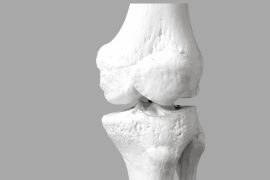
Decreased estrogen levels after menopause hasten bone loss. To maintain bone density and strength, magnesium is essential for calcium absorption and bone mineralization. The body cannot use calcium efficiently if there is insufficient magnesium, which raises the risk of osteoporosis and fractures. Foods high in magnesium help women over 50 maintain long-term bone health by combining with calcium and vitamin D.

2. Assists in Managing Menopause Symptoms and Hormonal Balance
Supporting the neurological and endocrine systems, magnesium helps lessen the hot flashes, mood fluctuations, and exhaustion that are typical during menopause. Additionally, it helps regulate cortisol, avoiding hormonal imbalances brought on by stress that may exacerbate menopausal symptoms. Emotional stability and a calmer nervous system are enhanced by enough magnesium consumption.
3. Enhances Muscle Performance and Decreases Cramps
As one ages, muscle weakness, stiffness, and cramping become increasingly prevalent. Magnesium prevents unpleasant cramps and spasms by assisting muscles in relaxing after contraction. Foods high in magnesium can greatly increase muscle comfort and mobility in women over 50 who suffer from muscle pain or leg cramps at night.
4. Magnesium encourages healthy blood pressure and supports heart health
Magnesium is essential for preserving healthy blood vessel relaxation and cardiac rhythm. Sufficient consumption lowers blood pressure, arterial stiffness, and the risk of cardiovascular disease, which is one of the main health issues that women face after menopause. Additionally, magnesium promotes healthy cholesterol levels and enhances cardiovascular health in general.
5. Encourages Restful Sleep and Lessens Insomnia
Women over 50 frequently experience sleep difficulties as a result of hormonal changes and elevated stress levels. Magnesium encourages relaxation and sound sleep by stimulating the parasympathetic nervous system. Additionally, it aids in the regulation of melatonin, the hormone that controls sleep-wake cycles. Eating meals high in magnesium on a regular basis helps promote deeper, more restful sleep.
6. Promotes Metabolic Health and Blood Sugar Regulation
Magnesium is crucial for insulin and glucose metabolism since insulin sensitivity tends to decrease with aging. Consuming enough magnesium promotes stable energy levels, lowers the risk of type 2 diabetes, and avoids blood sugar spikes—all of which are crucial for postmenopausal women.
7. Lessens Joint Pain and Inflammation
As people age, chronic low-grade inflammation worsens and has a role in joint stiffness and discomfort. Because of its anti-inflammatory qualities, magnesium helps lower the body’s inflammatory indicators. Because of this, ladies over 50 who suffer from arthritis or other age-related joint pain will particularly benefit from it.
The Greatest Foods for Women Over 50 to Get Magnesium
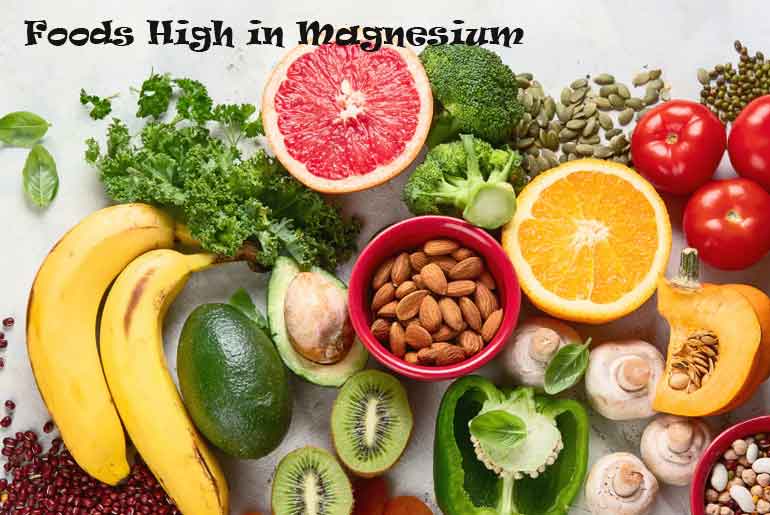
The following are a few of the top natural magnesium sources:
- Leafy greens, such as amaranth and spinach leaves
- Almonds, pumpkin seeds, sunflower seeds, and other nuts and seeds
- Whole grains, such as millets, oats, and brown rice
- Legumes (black beans, chickpeas, and lentils)
- Fruits (avocados, bananas)
- Chocolate that is dark (in moderation)
For most people, whole foods are more beneficial than isolated supplements because they contain magnesium together with fiber, antioxidants, and other vital minerals.
Which magnesium is more beneficial to the brain?
1. Citrate of magnesium
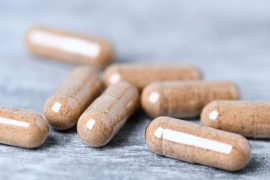
According to the neurologist, magnesium citrate is a poor-quality type of magnesium that might cause stomach distress and is difficult to absorb. It’s widely used since it’s inexpensive, but the side effects include upset stomachs and poor absorption, which makes it a waste of money. He clarified, “This is not good for your brain.”
2. Glycinate of magnesium
Magnesium glycinate is a typical form of magnesium that is easy to absorb, kind to the stomach, advantageous to the brain, and excellent for the body as a whole. Additionally, it actually lowers tension and is beneficial for sleep. Magnesium glycinate before bed helps many people sleep pretty well.
3. Threonate of magnesium
According to the researcher, magnesium threonate is a smaller form of magnesium that can enter the brain and pass across the blood-brain barrier. This property makes it the most effective for brain health, the neuroscientist claims. However, it is more costly and more difficult to locate. But both magnesium threonate and magnesium glycinate are excellent for the brain.
Finally, he mentioned magnesium taurate, another possibility that isn’t getting much attention. The neurologist claims that magnesium taurate is actually quite beneficial to your heart. And what’s good for your heart is good for your brain.
In conclusion, Magnesium is more than just a mineral for women over 50; it is the cornerstone of aging well. Magnesium helps almost every system impacted by menopause and aging, from preserving bones and the heart to enhancing sleep, muscle function, and metabolic health. A natural, secure, and efficient method to preserve strength, balance, and vitality in the years to come is to incorporate foods high in magnesium into your regular diet. Women over 50 should make magnesium a priority in their wellness journey rather than ignoring this important vitamin.
Disclaimer:
The information contained in this article is for educational and informational purposes only and is not intended as a health advice. We would ask you to consult a qualified professional or medical expert to gain additional knowledge before you choose to consume any product or perform any exercise.