
Pilates is frequently misinterpreted as a specialized or “easy” exercise, which keeps many individuals from realizing all of its advantages. In truth, Pilates is a scientifically supported workout regimen that increases strength, flexibility, posture, and general body awareness. Let’s break down three common misunderstandings that deter individuals from attempting Pilates and learn why they shouldn’t.
Myth 1: Only Women Can Do Pilates
The idea that Pilates is only for women is one of the most pervasive myths. In actuality, Joseph Pilates created Pilates to help men—including sportsmen and soldiers—develop their strength and aid in their recuperation. Nowadays, a lot of elite athletes employ Pilates to increase their mobility, strength, and ability to avoid injuries. Everyone, regardless of gender, benefits from Pilates.
Myth 2: Pilates Is Too Simple to Work
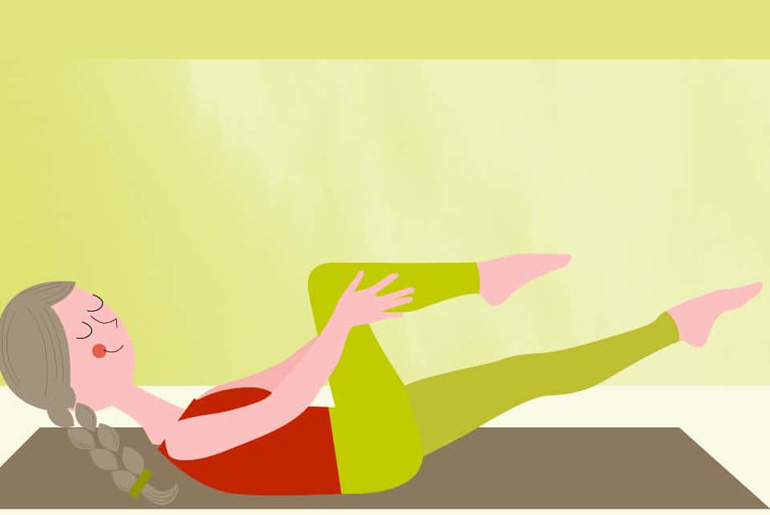
Pilates is frequently viewed as “too easy” because it places more emphasis on controlled motions than large weights. However, Pilates deeply works stabilizing muscles, notably the core, which are often disregarded in traditional workouts. Pilates is surprisingly difficult and very successful at developing functional strength because of the slow, precise movements that require strength, balance, and focus.
Myth 3: To Begin Pilates, You Must Be Adaptable
Flexibility is actually a byproduct rather than a prerequisite for Pilates, despite the common misconception that one must already be flexible. Pilates is designed to gradually enhance mobility, joint health, and muscle length over time. It’s perfect for anyone who feels stiff or inflexible since beginners of all fitness levels may begin safely and advance at their own speed.
Beginners, athletes, and rehabilitation patients can all benefit from Pilates’ potent, inclusive, and flexible training style. By dispelling these widespread misconceptions, more people will learn how Pilates improves posture, lowers the chance of injury, increases internal strength, and improves general well-being. Pilates may turn out to be much more difficult and fulfilling than anticipated if you approach it with an open mind.
Disclaimer:
The information contained in this article is for educational and informational purposes only and is not intended as a health advice. We would ask you to consult a qualified professional or medical expert to gain additional knowledge before you choose to consume any product or perform any exercise.