
Although receiving a high cholesterol diagnosis might be intimidating, the consequences of the diagnosis are more important than the actual number. Many people make well-meaning blunders that silently raise their risk of heart disease and stroke and maintain excessive cholesterol levels. You may take more intelligent and sustainable steps toward long-term heart health by being aware of these typical mistakes.
1. Eliminating All Sources of Fat
Removing all fats from the diet is one of the most frequent errors. Not every fat is bad. Healthy fats like nuts, seeds, avocados, olive oil, and fatty fish really assist in improving cholesterol balance by boosting HDL (good cholesterol) and reducing LDL (bad cholesterol), whereas trans fats and excessive saturated fats should be avoided. Eliminating all lipids may have unintended consequences that impair hormone balance and food absorption.
2. Ignoring prescription drugs
Once they begin “feeling better” or after changing their diet, several patients discontinue or postpone taking their recommended cholesterol-lowering medications. High cholesterol frequently shows no symptoms, and drugs that lower cardiovascular risk do so covertly. Discontinuing or ignoring medicines without consulting a doctor may greatly increase the risk of a heart attack and stroke.

3. Depending Just on Nutrition
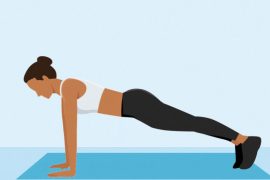
Although diet is crucial, it is rarely sufficient on its own, particularly for those who have inherited or chronically high cholesterol. Stress reduction, weight control, regular exercise, and occasionally medicine are all equally important. Combining diet, exercise, and medical treatment is the most effective way to manage cholesterol.
4. Giving in to “Healthy” Packaged Foods
Advertised as “heart-healthy,” “low-fat,” or “cholesterol-free,” many packaged goods are significantly high in salt, sugar, refined carbs, and hidden trans fats. These components have the potential to exacerbate inflammation and lipid profiles. It is significantly more crucial to carefully read nutrition labels than to believe what is advertised on the front of the package.
5. Disregarding Frequent Check-Ups
Some people cease routinely checking their cholesterol after receiving a diagnosis. It is hard to determine whether medicine or lifestyle modifications are truly effective without follow-up testing. Frequent lipid profile testing aids physicians in making early therapy adjustments and averting long-term issues.
6. Constantly Worried and Sleep Ignored
Prolonged stress and insufficient sleep raise cortisol levels, exacerbating inflammation and cholesterol. Higher LDL and triglycerides are also associated with sleep deprivation. One important but sometimes disregarded aspect of cholesterol control is prioritizing 7 to 9 hours of good sleep and managing stress with relaxation techniques.
7. Believing that “you are fine” because you feel normal
Since high cholesterol typically doesn’t show any signs until significant harm has been done, it’s frequently referred to as a silent ailment. Normal feelings do not imply that cholesterol is in control. Delaying treatment and raising cardiovascular risk might result from assuming everything is OK without routine testing and medical advice.
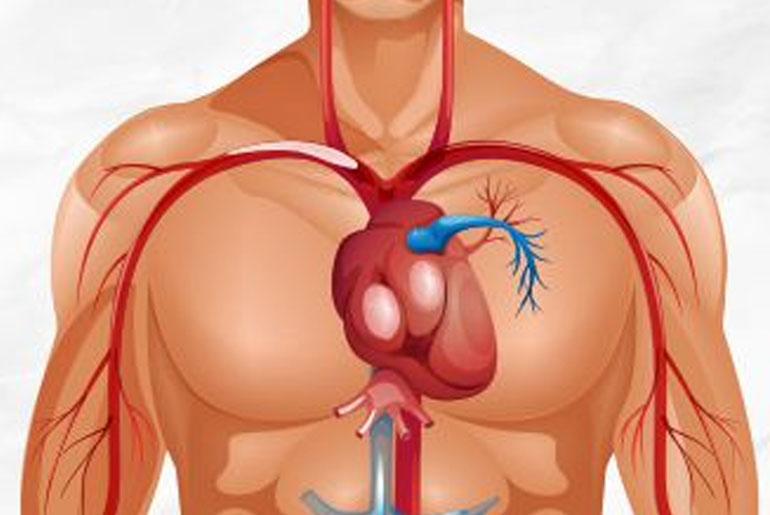
In conclusion, Being diagnosed with high cholesterol involves more than simply altering your diet; it also entails avoiding frequent mistakes that impede your progress. Heart health may be silently deteriorated by cutting out all fats, disregarding medicine, relying on packaged meals, missing checkups, not getting enough sleep, and believing you are “fine.” The safest and most efficient route to long-term cholesterol control and heart protection is a balanced strategy that incorporates healthy fats, constant lifestyle modifications, medical advice, and frequent monitoring.
Disclaimer:
The information contained in this article is for educational and informational purposes only and is not intended as a health advice. We would ask you to consult a qualified professional or medical expert to gain additional knowledge before you choose to consume any product or perform any exercise.