
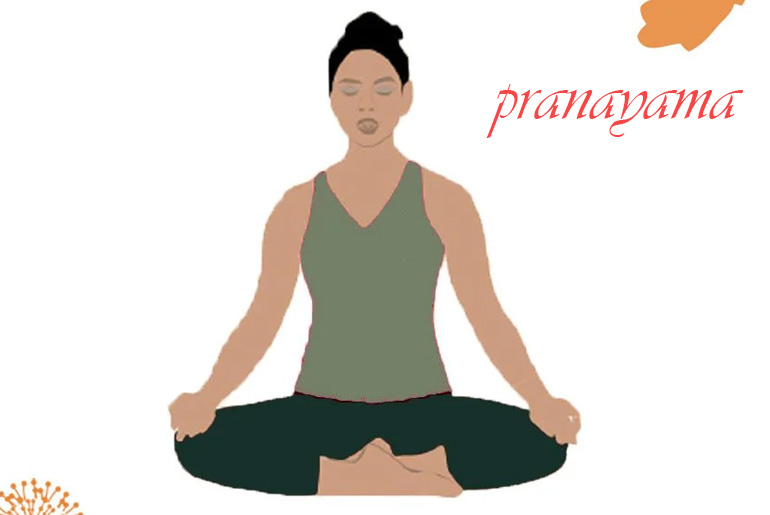
The foundation of the age-old practice is breathwork, or pranayama. Certain breathing exercises can improve general well-being and mindfulness.
Pranayama: What is it?
The Sanskrit terms “prana” (life energy) and “ayama” (expansion or control) are the roots of pranayama. It is a technique used in yoga to regulate breathing. Although asanas, or poses, are sometimes considered the main focus of yoga, pranayama is usually considered the foundation of the practice. It is more than just breathing; it creates balance and a profound sense of well-being by connecting the breath with the body and mind.

Pranayama methods
There are several types of breathing. There are variations in the pace and rhythm of mindful breathing. These five breathing exercises are for her health:
1. Bhastrika
Bellows breath, or Bhastrika, is the first pranayama. Consider farming, where crops require rain and air to thrive. Bhastrika brings in energy, which has the same effect on your body.
How to do it: Sit comfortably on the floor or on a chair with a straight back to perform Bhastrika. To begin, inhale deeply through your nose, allowing your stomach to expand completely. Then, clench your stomach to release the air as you rapidly and forcibly exhale through your nose. Repeat this pattern of rapid breathing ten to fifteen times after taking another deep breath. Thereafter, start breathing normally again.
Benefits: By bringing in energy, Bhastrika helps your body. This activity energizes your body and clears your mind. It boosts the amount of oxygen in your blood and your metabolism.
2. The Kapalbhati
Kapalbhati, often known as the skull-shining breath, comes next. This phrase emphasizes the practice’s ability to clear and revitalize your mind. It’s similar to a mild spring cleaning for your brain!
How to do it: Take a comfortable seat. Inhale deeply to fill your lungs. Pull your belly button in toward your spine as you exhale hard through your nostrils. Allow your body to breathe organically. Continue doing this for 20 to 30 rounds.
Benefits: Include mental clarity, blood oxygen levels, and digestive system help from Kapalbhati. This practice helps maintain vibrant skin and great vitality. She frequently claims that it is her favorite method of instantly elevating her mood.
3. Viloma Anuloma
Anuloma Alternate nostril breathing, or viloma, is a method that fosters relaxation and mental equilibrium. It is a wonderful option for anyone who is stressed.
How to do it: Maintain a straight back while sitting comfortably. Close your right nostril with your thumb. Take a deep breath using your left nostril. Next, use your ring finger to close your left nostril and open your right. Breathe out through your right nostril. Do this procedure again, but on the opposite side. Try to breathe lightly and rhythmically for five to ten minutes.
Benefits: This practice supports mental health by increasing lung capacity, calming the mind, and balancing the two hemispheres of the brain. To begin her day in calm, she incorporates it into her routine.
4. Bharamri
Bharamri, also known as bee breath, is a straightforward method in which you exhale while humming. This practice may seem strange at first, but it soon becomes a useful method of reducing everyday stress.
How to perform it: Take a seat on the floor with your back straight and your legs crossed. Breathe in deeply. Make a humming noise as you exhale, experiencing the vibration in your mind and throat. Put your fingers over your ears to further experience the humming. During this practice, pay attention to the positive emotions that surface.
Benefits: Bharamri soothes the nervous system and lessens irritability and anxiety. In the middle of a busy day, it feels like a little getaway. Its relaxing benefits are frequently suggested to people who are feeling anxious.
5. chanting breath
The chanting breath is often referred to as udgeet. This method blends breath and sound. It enhances meditation and provides a beneficial means of self-connection.
How to do it: Inhale thoroughly first. Chant “Om” or any other sound that seems beneficial as you exhale. Pay attention to your body’s sensations and prolong the sound for as long as you feel comfortable.
Benefits: Chanting while breathing improves the body-mind connection. Additionally, it enhances concentration and lowers stress. This method has been incredibly beneficial for strengthening my spiritual connection and keeping me grounded during hectic times.
Disclaimer:
The information contained in this article is for educational and informational purposes only and is not intended as a health advice. We would ask you to consult a qualified professional or medical expert to gain additional knowledge before you choose to consume any product or perform any exercise.