
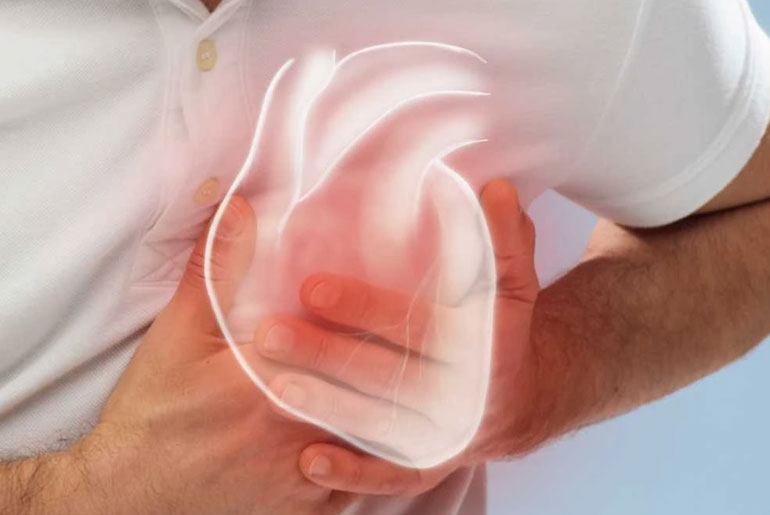
Heart attacks and heart failure can strike even young, seemingly healthy individuals. It is crucial to make lifestyle modifications and undergo early screening.
Although heart disease is typically linked to elderly folks, young people who appear healthy can nonetheless be at risk. Lifestyle choices, stress, heredity, and undiagnosed medical disorders can subtly impact heart health.
An AIIMS-ICMR study published in the Indian Journal of Medical Research in 2025 revealed that undiagnosed heart disease primarily associates with sudden deaths among young, seemingly healthy Indians, especially those between the ages of 18 and 45. Cardiovascular problems accounted for 42.6% of cases, while a smaller percentage remained unexplained, most likely because of inherited electrical disorders of the heart.
Why do heart attacks still occur in young, seemingly healthy individuals?
Young individuals who have heart attacks or unexpected episodes of heart failure are frequently referred to as having “apparent health.” Youth, physical attractiveness, and the absence of symptoms, however, do not necessarily mean that the heart is operating at its best. It’s likely that the risk factors for these people were never discovered.
The most prevalent underlying risk is atherosclerotic cardiovascular disease (ASCVD). “This entails a slow accumulation of fat and cholesterol on the arterial walls.”
The illness goes undetected in its early stages. There are typically no symptoms when the arterial occlusion is less than 50%. At rest, symptoms only manifest when the blockage is greater than 70%, and mild discomfort may only manifest after intense effort. Therefore, until a plaque suddenly bursts, a young person may feel healthy and suffer from heart failure or a massive heart attack.
Which lifestyle choices put young people at higher risk for heart disease?
Over time, changes in lifestyle have made young people more vulnerable. Heart artery health deterioration is accelerated by smoking, e-cigarettes, drug abuse (such as cocaine or marijuana), poor eating habits, obesity, physical inactivity, stress, irregular sleep patterns, and excessive alcohol consumption. Certain drugs can trigger sudden spasms or arrhythmias.
Young people often disregard heart failure symptoms. Breathing issues, sweating, lightheadedness, nausea, discomfort, or a pinching sensation in the chest that is related to the heart can occasionally be confused with worry or acidity. These errors can impair results and delay hospital visits, he says.
The importance of routine heart exams for young people with diabetes, high blood pressure, obesity, a history of substance misuse or smoking, sedentary lifestyles, poor diets, high stress levels, insomnia, or a family history of early heart disease.
Early prevention of heart attacks and heart failure
Early risk identification is the first step in prevention. Basic screening tests like blood pressure, blood sugar, and cholesterol checks should be done regularly. Depending on risk factors, doctors may recommend ECG, echocardiography, or treadmill stress tests. Using sophisticated noninvasive testing like CT Coronary Calcium Scoring and CT Coronary Angiography to find hidden blockages before an attack happens.
Heart disease can be prevented to a large extent. Exercise, a balanced diet, sound sleep, stress management, avoidance of tobacco and drugs, and periodic health check-ups are the foundations of a healthy heart. Early screening saves lives and helps prevent sudden heart attacks. Prevention should always start early.
Disclaimer:
The information contained in this article is for educational and informational purposes only and is not intended as a health advice. We would ask you to consult a qualified professional or medical expert to gain additional knowledge before you choose to consume any product or perform any exercise.