
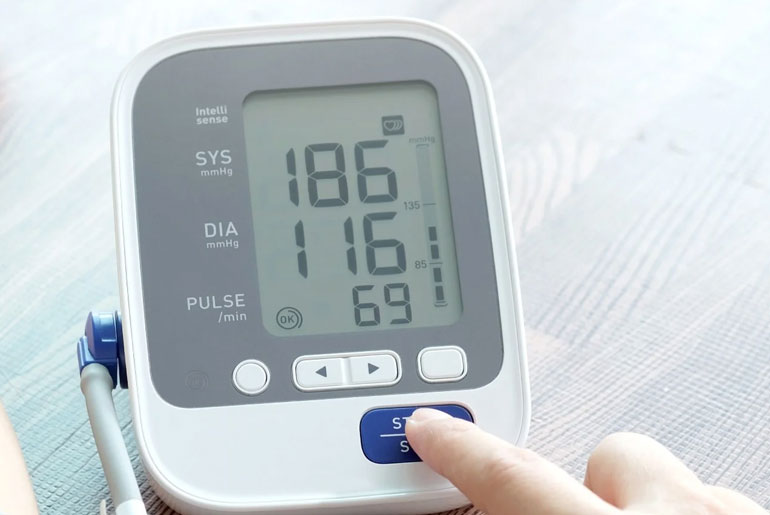
After blood pressure readings are acceptable at home but soar after seeing a doctor, many people are taken aback and concerned. This discrepancy is more common than you think, and it doesn’t always mean your blood pressure is high. Knowing why the phenomenon occurs is crucial since it aids medical professionals in correctly diagnosing patients and avoiding needless treatments or overlooked health hazards.
White Coat Hypertension: What Is It?
White coat hypertension is one of the most frequent causes of elevated blood pressure readings at the clinic. The phrase describes the brief increase in blood pressure that takes place in a medical environment. Anxiety and tension brought on by the clinical setting, new technology, and outcome expectations might raise blood pressure and heart rate. Readings frequently revert to normal while you are at home, where you feel at ease.
Stress Reaction and Anxiety
At the doctor’s office, even those who don’t think of themselves as worried may have a mild stress reaction. The body releases stress chemicals like cortisol and adrenaline, causing the heart to beat more quickly and blood vessels to constrict. This natural “fight-or-flight” response may temporarily raise blood pressure readings, even when overall blood pressure regulation is strong.
Variations in the Conditions of Measurement
The method and timing of blood pressure measurements have a significant impact on the results. Measurements are frequently taken at home when seated, after resting, and occasionally more than once. Clinic readings, on the other hand, might be taken hastily, after entering, after conversing, or without enough sleep. In a medical environment, factors such as a full bladder, an inappropriate cuff size, or faulty arm placement can also cause readings to be inaccurately elevated.
Masked Hypertension: The Entirely Different Situation
Some patients have high readings at the clinic and normal readings at home, while others have the opposite condition, which is called disguised hypertension. This happens when blood pressure is continuously elevated at home or during everyday activities yet shows normal at the doctor’s office. Masked hypertension, often remaining undiagnosed and untreated, can significantly increase the risk of cardiovascular disease over time.
Lifestyle and Daily Activities’ Role
Your blood pressure readings at home reflect your typical daily circumstances, including your level of stress, physical activity, caffeine use, and sleep quality. Blood pressure readings taken at home during quiet times could be lower than those taken during a hurried clinic visit. On the other hand, some people may have higher home readings due to stress at work, inadequate sleep, or a high salt consumption.
Why a Correct Diagnosis Is Important
A misdiagnosis may result from depending solely on one clinic reading. White coat hypertension may be treated as real hypertension, which could lead to side effects and needless treatment. Ignoring disguised hypertension, on the other hand, might postpone treatment and raise the risk of renal issues, heart disease, and stroke. For a better picture, doctors frequently advise 24-hour ambulatory blood pressure testing or home blood pressure monitoring.
What You Can Do
Take numerous readings at the same time each day, sit quietly for at least five minutes before taking your blood pressure, and use a validated device at home to ensure accurate readings. Your doctor can make better decisions about diagnosis and treatment if you share a record of these readings with them.
In conclusion, When blood pressure is high at the doctor’s office but normal at home, it’s usually not a real health issue but rather the result of stress, anxiety, or different measurement conditions. It is possible to avoid needless anxiety and overtreatment by being aware of white coat hypertension and the significance of regular monitoring. Doctors can better determine your actual blood pressure and safeguard your long-term heart health by combining expert evaluation with at-home measurements.
Disclaimer:
The information contained in this article is for educational and informational purposes only and is not intended as a health advice. We would ask you to consult a qualified professional or medical expert to gain additional knowledge before you choose to consume any product or perform any exercise.