
Let’s face it: most people believe that lifting weights is the only way to gain muscle, but that is not the whole picture. The behind-the-scenes footage captured by the gym camera is equally crucial when it comes to muscle building. How quickly your muscles grow and recover is greatly influenced by the foods you eat before, during, and after your workouts—and, to be honest, throughout the day. The science is quite clear: muscle protein synthesis, the process that powers muscle growth and repair, is fueled by solid protein, healthy fats, the correct carbohydrates, and those tiny micronutrients. It makes no difference if you’re just getting started or if you’re attempting to maintain your strength as you age. Your results can completely change if you understand what to eat, when to eat it, and why it matters. Here are seven nutrients that genuinely aid in muscle growth, along with simple methods for incorporating them into your daily regimen.
Lean and dependable protein is chicken breast
The chicken breast simply does the job. After working out, your muscles get exactly what they need because it’s high in protein and low in fat. Three ounces? That is easily 26 to 31 grams of protein. You can cut it up for a stir-fry, toss it on the grill, or put it in the oven. Your muscles will appreciate it if you eat it before or after working out. You’ll regain your energy and heal more quickly if you include some sweet potatoes or brown grains.
Greek yogurt provides double the amount of protein
When it comes to protein, Greek yogurt is a powerful ingredient. Because it contains both whey and casein, your muscles receive a continuous supply of amino acids rather than simply a spike. It also contains nearly twice as much protein as ordinary yogurt. Before you go to bed or immediately after working out, scoop some up. Do you want to add some intrigue? Add some nuts, fruit, or honey.
Eggs: The whole package
It’s difficult to beat eggs. All the essential amino acids for your muscles, along with vitamin B12, vitamin D, and beneficial fats to help you recover from physical activity. It’s difficult to ruin them whether they’re scrambled, boiled, or poached. Whole eggs are the most effective for building muscle because the nutrients in the yolk help your body utilize the protein in the egg white.
Salmon: A combination of protein and beneficial fats
Omega-3 fatty acids found in salmon help reduce inflammation and hasten muscle regeneration, so it’s not only about protein. In fact, people who consume more omega-3 fatty acids report improved muscle protein synthesis. A few times a week, try to get salmon for lunch or dinner. Use canned salmon for a quick salad or sandwich, or grill it with some herbs and lemon.
Quinoa is a full, plant-based protein
Most grains don’t contain all nine essential amino acids, but quinoa is a unique plant protein. Iron, magnesium, and fiber are also included, all of which support healthy muscular function and energy levels. To make a bit more of your meals, replace rice in your favorite bowls or salads with quinoa or use it as a side dish for supper.
Paneer, or cottage cheese, is a slow-release protein
Casein protein, which digests slowly and fuels your muscles for hours, is abundant in paneer, often known as cottage cheese. This is a great option for nighttime muscle nourishment. Add it to salads and curries, or simply grill it and savor it.
Nuts and seeds provide convenient, portable muscle assistance
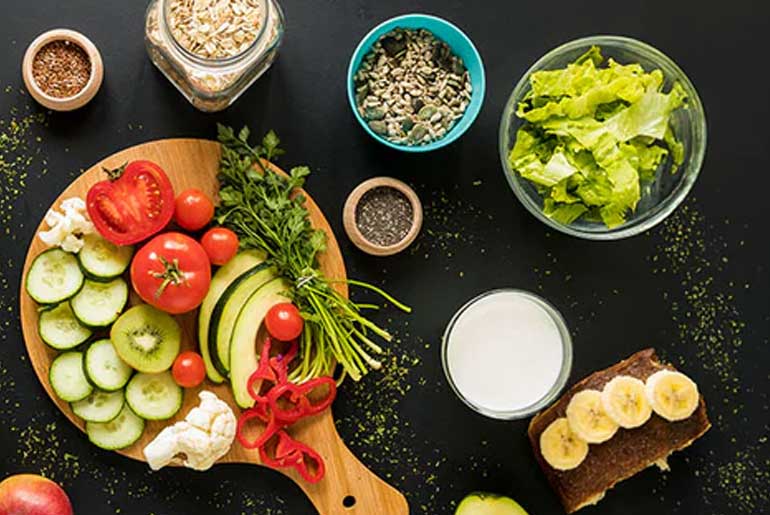
Nuts and seeds contain protein, good fats, and magnesium, all of which are excellent for nerve and muscle function. Although they don’t contain a lot of protein, they provide you with consistent energy and nutrients. Have a handful as a snack or sprinkle them on yogurt or oatmeal. You may also use nut butter on whole-grain bread.
Why timing is important
Eat some protein and carbohydrates within 30 to 90 minutes of finishing your workout. For the best recovery, try pairing Greek yogurt, chicken, or salmon with sweet potatoes or quinoa. Try eating eggs for breakfast, Greek yogurt for lunch, and cottage cheese or paneer for dinner to spread out your protein intake throughout the day. Because they continue to nourish your muscles as you sleep, foods like cottage cheese are excellent before bed. That’s how you continue to make progress even when the lights are dark.
Disclaimer:
The information contained in this article is for educational and informational purposes only and is not intended as a health advice. We would ask you to consult a qualified professional or medical expert to gain additional knowledge before you choose to consume any product or perform any exercise.