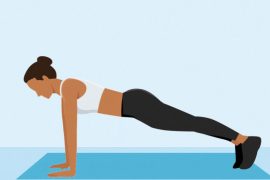

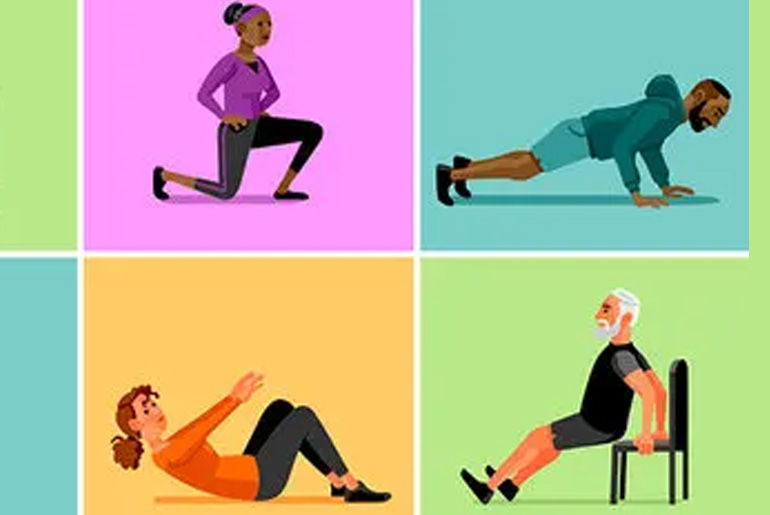
It’s not uncommon for folks with hectic workdays to have a large meal and then go straight to the gym. The time and size of your meals can have a big impact on how your body functions during exercise, even if it can seem efficient to eat and work out right after each other. You can make better decisions for comfort and performance if you know what goes on inside your body after a large meal.
Exercise vs. Digestion: An Internal Competition
Your body gives digestion top priority after a large meal. To break down food, absorb nutrients, and control blood sugar levels, blood flow is directed toward the stomach and intestines. When you begin exercising right away, your muscles also require more oxygen and blood flow. This process causes the body to compete, which frequently impairs digestion and exercise efficiency. You might feel weak, lethargic, or particularly exhausted during your session as a result.

Decreased Energy and Workout Performance
Heavy meals take longer to digest, particularly those that are high in proteins and fats. Feeling heavy, sluggish, and less explosive can result from exercising too soon. It may become more difficult to lift weights, sustain intensity, or finish aerobic workouts successfully if strength, endurance, and coordination decline. Many people noticeably lose motivation and energy instead of feeling energized.
An elevated risk of gastrointestinal distress
Digestive upset is one of the most frequent adverse consequences of exercising immediately after a large meal. Because physical activity interferes with digestion, symptoms including bloating, cramps, nausea, acid reflux, or even dizziness may manifest. Exercises that require bending, hopping, or engaging your core might exacerbate these feelings, making your workout uncomfortable rather than beneficial.
Effects on Focus and Breathing
A full stomach can put pressure on the diaphragm, which makes it harder to breathe deeply and deliberately. This may cause you to consume less oxygen when exercising and experience dyspnea earlier than normal. Discomfort and stomach strain can also impair mental attention by making it difficult to maintain good form, rhythm, and workout intensity.
What’s more effective instead?
It’s best to wait at least two to three hours after a large meal before doing strenuous exercise. Should you need to exercise sooner, please consider engaging in lighter activities such as mobility work, walking, light cycling, or stretching. As an alternative, schedule a smaller pre-workout meal for earlier in the evening and reserve heavier foods for your body’s more efficient post-workout recuperation.
In conclusion, Eating a large dinner and then heading straight to the gym can adversely affect exercise performance, digestion, comfort, and breathing. Even though it can not be harmful to everyone, it frequently produces less than ideal outcomes and needless suffering. You may improve your training, feel stronger, and recover more quickly if you plan your meals carefully, separating heavy meals from vigorous exercise.
Disclaimer:
The information contained in this article is for educational and informational purposes only and is not intended as a health advice. We would ask you to consult a qualified professional or medical expert to gain additional knowledge before you choose to consume any product or perform any exercise.