

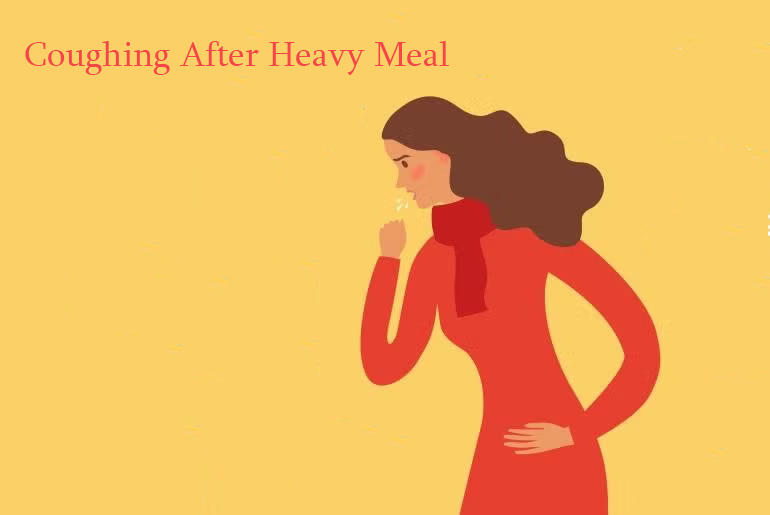
It might be annoying and worrying to have a chronic cough that just won’t go away or to have ongoing throat irritation that seems like an impending sore throat. Many people believe that a cold, flu, or respiratory illness is the cause, but there may be another explanation. Occasionally these persistent throat symptoms are gastrointestinal rather than respiratory, brought on by acid reflux that affects the voice box and throat.
A gastroenterologist who specializes in digestion, the liver, the pancreas, and nutrition explains why persistent post-meal coughing, sore throats, and the feeling that something is lodged in the throat could be indicators of reflux rather than an infection. According to the gastroenterologist, these symptoms may be brought on by acid reflux rather than a throat or respiratory problem and are frequently associated with laryngopharyngeal reflux, an underlying gastrointestinal disorder.
Why do people cough after eating?
The coughing is a typical sign of LPR, or laryngopharyngeal reflux. Additional signs of this illness include “a persistent cough that just won’t go away, especially after you eat, hoarseness of your voice, and a constant feeling of something in your throat.
This condition happens when stomach acid irritates and hurts the voice box by flowing back up via the esophagus. According to the gastroenterologist, “This occurs because pepsin and acid pass from the stomach up the esophagus and strike your voice box, which is very sensitive.” Even if you don’t have the classic heartburn symptoms, that irritation causes persistent coughing and throat discomfort. Therefore, common drugs for acid reflux don’t always work for this illness.
Therapy
Certain dietary adjustments and, if necessary, medicines can accomplish the goal of treating LPR, which is to reduce discomfort and reflux exposure. If symptoms don’t go away, see an ENT doctor or gastroenterologist.
The goal of treatment is to lessen reflux exposure and discomfort. This calls for dietary changes, which include avoiding common triggers like coffee, alcohol, spicy and acidic foods, chocolate, and mint; avoiding late-night meals; and adhering to a low-acid diet. If symptoms persist, you can also try sodium alginate suspensions, which create a barrier that protects against stomach acid. Additionally, if your symptoms persist, you should always be checked by an ENT and gastroenterologist.
Disclaimer:
The information contained in this article is for educational and informational purposes only and is not intended as a health advice. We would ask you to consult a qualified professional or medical expert to gain additional knowledge before you choose to consume any product or perform any exercise.