

Because heart weakening often develops gradually, people may easily overlook or write off early warning signals as typical age, stress, or exhaustion. A weakened heart, in contrast to acute cardiac events, usually manifests as minor changes in the body long before major symptoms manifest. By being aware of these early warning signs, such as swollen ankles, people can seek prompt medical attention and avoid more problems.
Legs, feet, or ankles that swell
Swelling in the lower limbs is one of the most frequent early indicators of a failing heart. Due to gravity, fluid starts to build up in the tissues, especially in the ankles and feet, when the heart is unable to pump blood effectively. This swelling is easy to ignore because it may improve with rest but worsen after standing for a long time.
Breathlessness During Light Exercise
Dyspnea during everyday tasks such as walking, climbing stairs, or performing housework may indicate reduced cardiac function. Fluid accumulates in the lungs as a result of the heart’s inability to adequately pump blood that is rich in oxygen. Even mild physical exertion, such as resting flat, can eventually cause discomfort or dyspnea.
Chronic Fatigue and Low Vitality
Another minor indicator is persistent fatigue that does not go away with enough sleep. Muscles and organs receive less oxygen and nutrients when the heart cannot pump as effectively, which results in a persistent sense of fatigue. Evaluation is delayed because many people blame this symptom on aging or a busy lifestyle.
Unexpected Weight Gain as a Result of Fluid Retention
Fluid retention, as opposed to fat accumulation, may be the source of unexplained weight gain that occurs quickly, such as a few kilograms in a week. A failing heart impacts renal function and the body’s fluid balance, leading to this condition. It frequently coexists with abdominal or leg edema.
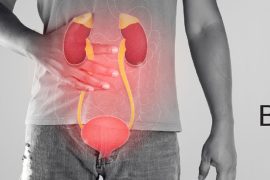
Frequently Urinating at Night
Urinating frequently during the night may be an unnoticed indication of heart weakening. Fluid that has accumulated in the legs over the day returns to the bloodstream when you lie down, which raises kidney function. Even when urinating seems normal throughout the day, this nocturnal pattern may occur.
In conclusion, A failing heart rarely makes a loud initial announcement. Rather, it transmits subtle signs that, if ignored, get worse over time, including weariness, swollen ankles, dyspnea, fluid-related weight gain, and midnight urination. Even if these symptoms don’t necessarily indicate heart disease, protecting heart health and averting major consequences can be greatly enhanced by identifying them early and consulting a doctor.
Disclaimer:
The information contained in this article is for educational and informational purposes only and is not intended as a health advice. We would ask you to consult a qualified professional or medical expert to gain additional knowledge before you choose to consume any product or perform any exercise.