

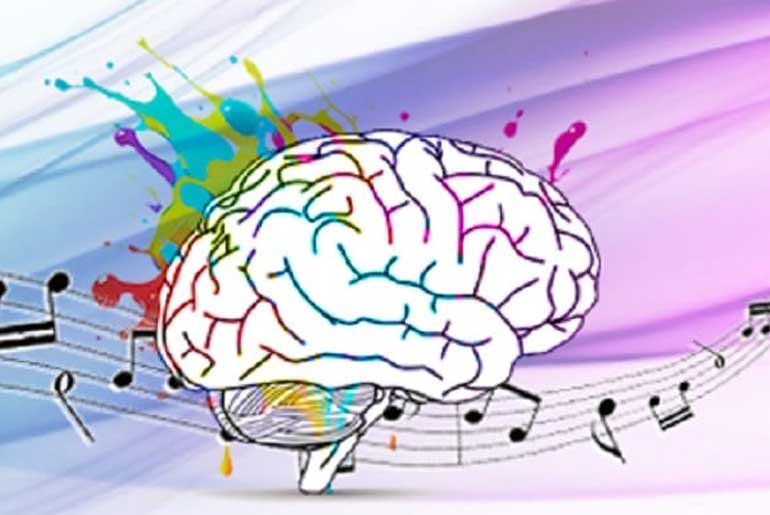
As people age, worries about memory loss and cognitive decline are typical, which frequently results in an emphasis on drugs and clinical therapies. But there is mounting evidence that regular, non-medical lifestyle choices can have a significant impact on brain function. Music is one such effective and widely available tool. Music stimulates the aging brain in intricate and advantageous ways that may eventually boost cognitive vigor and emotional well-being; it is by no means merely amusement.
Listening to music is associated with a lower risk of dementia
Those who regularly listen to music have a considerably decreased chance of acquiring dementia than those who do not, according to large observational studies involving individuals over 70. This indicates that the brain benefits from regular exposure to music, even though it does not establish that music prevents dementia. An active, stimulated brain—one that is constantly challenged rather than kept idle—seems to be indicated by music.
Why Music Has Various Effects on the Brain
Because it is not a passive experience for the brain, music is special. The brain areas in charge of memory, attention, emotion, and sensory processing all become active simultaneously when listening to music. Neural connections are strengthened by this simultaneous stimulation, which is essential for long-term cognitive resilience. There aren’t many activities that easily and widely engage the brain.
The Strong Connection Between Identity, Emotion, and Music
Autobiographical memory is strongly associated with music. Even in those with severe cognitive decline, familiar songs can evoke strong memories and emotional reactions. People are able to stay psychologically present rather than only functionally aware thanks to this emotional connection. Music strengthens people’s sense of identity by helping them remember who they are and where they have been. This process is especially beneficial as memory deteriorates with age.
The Extra Advantage of Mobility
The brain-boosting effects of music are enhanced when it is combined with movement, such as walking, stretching, or light dancing. Physical motion activates brain areas related to coordination and balance. When rhythm, sound, and movement are combined, the brain reacts especially well, producing more cerebral stimulation than when listening alone.
Recognizing Music’s Boundaries
It’s critical to acknowledge the limitations of music. Music cannot cure, prevent, or treat dementia, and the available evidence is primarily observational rather than causal. Scientific research and medical care are still crucial. But promoting brain health also entails what people do on a daily basis in between doctor’s appointments, and music is a perfect fit for that.
In conclusion, music is a potent instrument for promoting cognitive engagement as we age since it is accessible, safe, and profoundly meaningful. Music contributes to the development of favorable conditions for brain health by promoting emotional connection, activating various brain systems, and promoting joy and movement. People are more inclined to take care of themselves when they feel content, rhythmic, and connected, which in small but significant ways protects the aging brain.
Disclaimer:
The information contained in this article is for educational and informational purposes only and is not intended as a health advice. We would ask you to consult a qualified professional or medical expert to gain additional knowledge before you choose to consume any product or perform any exercise.