

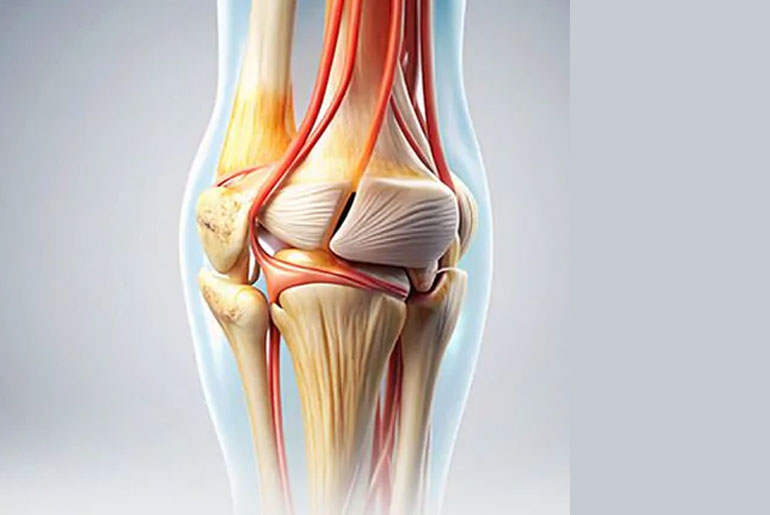
Winter can be particularly difficult for those who have arthritis. Cold temperatures can make daily work more difficult by stiffening joints, decreasing blood flow, and increasing discomfort. Orthopaedic specialists say that a mix of lifestyle changes, medication assistance, and preventative treatment can greatly reduce discomfort and safeguard joint health during the winter. Here is a thorough analysis of successful tactics that experts have suggested.
1. Maintain Warm Joints
Warmth promotes better circulation, eases discomfort, and relaxes tense muscles. Joint flexibility can be preserved by employing heating pads, gloves, warm socks, and layered clothes. Additionally, keeping warm avoids abrupt temperature decreases that can aggravate arthritic symptoms and cause nerve sensitivity.
2. Remain Active by Making Regular Movements
One of the most effective strategies to control arthritis pain is to walk regularly. Walking, stretching, yoga, and low-impact indoor workouts are examples of gentle exercises that maintain joint mobility and lubrication. Maintaining an active lifestyle reduces pressure on the afflicted joints by strengthening the surrounding muscles and preventing stiffness from developing.
3. Keep Your Weight in Check to Reduce Joint Stress
Significant strain is placed on the knees, hips, and ankles with each additional kilogram. Pain can be significantly reduced, and weight-bearing joints experience less mechanical stress when a healthy weight is maintained. Significant gains in comfort and mobility can result from even modest weight loss.
4. Verify Adequate Vitamin D Levels
Vitamin D is essential for maintaining healthy bones and reducing inflammation. The danger of insufficiency increases over the winter months as sunshine exposure declines. If necessary, an orthopedic surgeon could suggest vitamins and a straightforward blood test. Sufficient vitamin D helps maintain stronger bones, lessen stiffness, and promote joint health.
5. When required, use pain relief sparingly
Warm compresses, anti-inflammatory gels, and over-the-counter painkillers can offer short-term respite. Experts advise utilizing them sensibly and under supervision, particularly if you plan to use them for an extended period of time. Effective pain management enables you to maintain activity levels without becoming overly dependent on drugs.
6. Examine Advanced Treatments and Joint Injections
Orthopaedic surgeons may recommend steroid injections, hyaluronic acid injections, platelet-rich plasma (PRP), or other regenerative therapies to patients whose symptoms don’t get better with simple treatments. When utilized properly, these therapies can lessen inflammation, increase mobility, and offer long-lasting relief.
7. When necessary, think about replacing a joint
Joint replacement surgery might be the best course of action in extreme situations where conservative measures are no longer advantageous. Modern implants, advanced surgical techniques, and improved recovery protocols allow many patients to regain mobility, reduce pain, and dramatically improve quality of life.
Warmth, exercise, a healthy diet, appropriate pain management, and medical assistance when needed are all necessary for managing arthritis in the winter. Even during the coldest months, people can greatly lessen their discomfort and preserve their quality of life by adhering to these expert-endorsed techniques. Early evaluation and a personalized treatment plan from an orthopedic specialist can make a meaningful difference in long-term joint health.
Disclaimer:
The information contained in this article is for educational and informational purposes only and is not intended as a health advice. We would ask you to consult a qualified professional or medical expert to gain additional knowledge before you choose to consume any product or perform any exercise.