

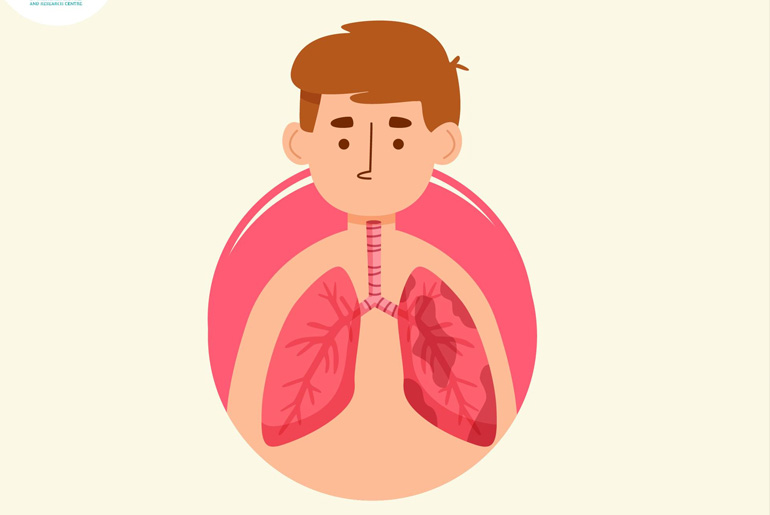
Delhi-NCR’s air quality is deteriorating, raising concerns every year. Toxic air impacts lung health and serves as a primary cause of many ailments. It can also hurt kids with heart issues, according to recent reports. Children are more susceptible to the impacts of pollution every year as air quality deteriorates and smog levels rise. Heart abnormalities could be a worry for their developing bodies. The fact that air pollution can impair their health and increase their sensitivity to dangerous pollutants like PM2.5, nitrogen dioxide, and ozone exacerbates this worry.
What adverse consequences does pollution have on kids who have heart defects?
More young patients experience respiratory problems or sickness recovery when pollution levels rise. Dr., a pediatric cardiologist and founder of the Child Heart Foundation (CHF), tells Health Shots that children with heart defects already confront difficulties, regardless of whether they were born with holes in their hearts or have surgery to resolve these problems. Their hearts must exert more effort. These delicate processes are further taxed when air quality deteriorates.
Fine particulate matter (PM2.5) entering the circulation can trigger inflammation. Such conditions may decrease oxygen flow by thickening the blood and irritating blood vessels. The pediatric cardiologist explains that whereas healthy kids may adjust to various environmental stressors, those with cardiac issues cannot. For them, PM2.5-induced stress accumulates gradually and can eventually deteriorate their health.
What leads to cardiac issues in kids?
How can we assist in protecting our children from this threat? These five tactics can be quite beneficial.
1. Regularly check the quality of the air
One important step parents can take is to stay informed about the air quality in their area. “Checking the Air Quality Index (AQI) is easy, as many apps and websites provide real-time updates,” says the physician. Children with heart problems should remain indoors if the AQI falls into the red zone.
Pollution levels peak in the morning and evening, when traffic is at its worst. Think about adjusting your family’s schedule during these periods to better protect your youngster. You can postpone outside play or alter school drop-off times to reduce their exposure to dangerous contaminants.
2. Create a haven in your house
A common misconception among parents is that their homes are pollution-free. However, indoor air pollution might be equally dangerous. Cooking, incense burning, and even carpet dust can all contribute to bad air quality. As advised by a cardiologist, “make sure it’s well-ventilated and close it off during periods of high outdoor pollution” to keep your house safe.
Simple habits can enhance the air quality in your house. To keep your space tidy, use exhaust fans when cooking, vacuum and dust frequently, and refrain from burning things indoors. “Consider installing HEPA-filtered air purifiers, especially if you live in a polluted area,” advises the expert. According to reports, kids who sleep in cleaner rooms have healthier mornings because they wake up with higher oxygen levels.
3. Stress the need for routine examinations
Regular examinations are essential in a society where pollution is detrimental to health. The importance of these visits during months with high pollution levels is often overlooked by families. A child’s heart may experience additional strain from even slight reductions in oxygen levels, frequently without any noticeable symptoms.
That “parents regularly check their child’s oxygen levels, blood pressure, and heart rhythm” is what the expert advises. Nowadays, many parents check their oxygen levels at home using pulse oximeters. To avoid issues, it’s critical to get in touch with a healthcare professional right away if the readings decline. Additionally, doctors can quickly modify treatment methods by arranging examinations during the pollution season. Recall that preventing problems is simpler than fixing them.
4. Boost immunity to guard against infections
Although this connection is sometimes overlooked, lung health and heart function are tightly related. Particularly in situations when the air quality is low, children with heart defects are more vulnerable to severe complications from respiratory infections. “During periods of pollution, even a slight cough can develop into a severe chest infection, which may lead to hospitalization,” says the physician.
Drink warm water rather than cold, eat well-balanced meals that are high in vitamins, particularly C, and get enough sleep. Making these straightforward decisions can strengthen your child’s immune system and shield them from common health issues.
5. Promote cleaner neighborhoods
Although individuals should exercise caution, community initiatives can enhance the quality of the air. When it comes to advocating for cleaner environments, parents of children with heart issues can be extremely influential. “You can help by joining or starting neighborhood campaigns to reduce pollution,” says Dr. Think about campaigns against damaging behaviors like burning rubbish, carpooling, and planting trees. These steps have the potential to significantly impact your community.
Disclaimer:
The information contained in this article is for educational and informational purposes only and is not intended as a health advice. We would ask you to consult a qualified professional or medical expert to gain additional knowledge before you choose to consume any product or perform any exercise.