
Effective body fat burning necessitates a combination of regular activity and a wise diet. Dietary practices have a significant impact on fat loss, even though many people just concentrate on exercising. Understanding how nutrition and exercise work together can help accelerate fat loss, preserve muscle, and improve overall health. This comprehensive guide can assist you in losing weight.
Nutrition: The Basis for Losing Body Fat
Nutrition is more important than exercise when it comes to burning body fat. A bad diet cannot be out-executed. Important fat-loss advice includes:
- Calorie Deficit: Eat a little less than what your body uses each day. Without sacrificing energy, even a small calorie deficit of 300–500 can result in consistent fat loss.
- Protein Intake: Foods high in protein, such as Greek yogurt, eggs, chicken, fish, and beans, assist in maintaining muscle mass while encouraging fat loss. Additionally, protein promotes fullness, which decreases needless nibbling.
- Nuts, seeds, avocados, olive oil, and fruits and vegetables high in fiber are examples of healthy fats and fiber. Fiber helps control blood sugar, slows down digestion, and prolongs feelings of fullness.
- Limit Refined Carbs and Sugars: Cut back on processed snacks, white bread, pastries, and sugary beverages, as they raise insulin levels and encourage the storage of fat.
- Hydration: Consuming adequate water might lessen cravings and slightly increase metabolism.
Exercise: Increasing Burning of Fat
Exercise increases metabolism, preserves lean muscle mass, and speeds up fat reduction, but diet is still crucial. Strategies that work include:
- High-Intensity Interval Training (HIIT): This type of exercise can boost post-workout fat burn and burn calories rapidly by alternating short bursts of intense activity with rest.
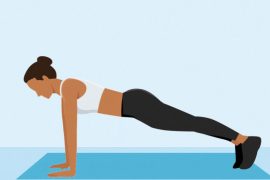
- Strength training: Maintaining or gaining muscle through weightlifting or bodyweight workouts raises resting metabolic rate and encourages long-term fat loss.
- Cardio: Exercises involving moderate intensity, such as jogging, cycling, swimming, or brisk walking, enhance cardiovascular health and aid in calorie burning.
- Consistency Over Intensity: Even modest workouts on a regular basis are more beneficial than sporadic intense ones.
Integrating Exercise and Nutrition
Combining sensible eating with regular exercise is the most efficient fat loss method. The foundation for fat loss is the consumption of entire, nutrient-dense foods while keeping calories low. This increases calorie burn and guarantees muscle preservation when combined with strength training, HIIT, and moderate cardio. Maintaining hydration, prioritizing sleep, and tracking progress all improve fat reduction outcomes.
Regular exercise combined with a balanced diet is the fastest strategy to burn body fat:
- Consume nutrient-dense, whole foods while keeping a calorie deficit.
- To maintain muscle, make strength training a priority two to four times a week.
- For additional calorie burn, incorporate aerobic or HIIT activities two to three times each week.
- To support metabolism, keep track of your progress, drink enough water, and get enough sleep.
Fat loss is about developing long-lasting habits, not about drastic diets or strenuous exercise. While exercise speeds up the process and promotes general health, nutrition lays the groundwork for burning fat. You can lose fat effectively and permanently by combining a healthy diet, regular exercise, and adequate recuperation.
Disclaimer:
The information contained in this article is for educational and informational purposes only and is not intended as a health advice. We would ask you to consult a qualified professional or medical expert to gain additional knowledge before you choose to consume any product or perform any exercise.