
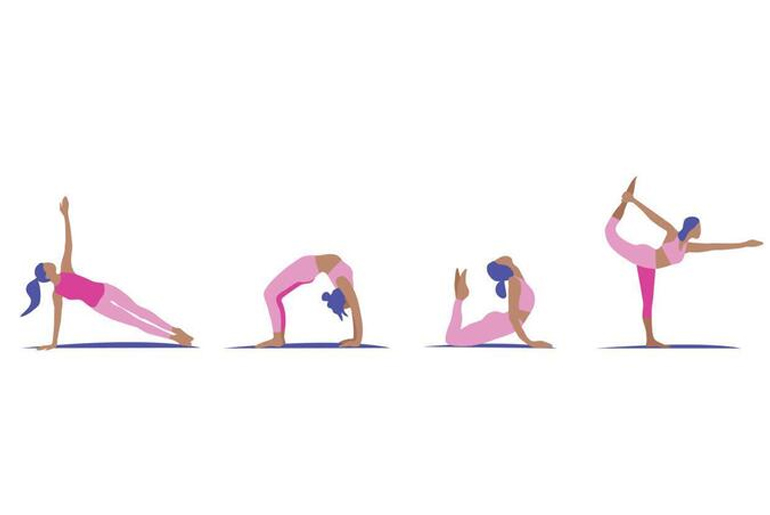
Expensive equipment and gym memberships are not necessary to develop a strong and toned core. With just your body weight, Pilates exercises are a powerful technique to strengthen your abdominal muscles, correct posture, and increase your core’s general stability. Pilates improves functional strength for daily tasks by strengthening the deep and superficial core muscles with deliberate breathing and regulated movements. You can perform the following four exercises at home with little room and no equipment: Double Leg Stretch, Roll-Up, Hip Dips, and Reverse Plank Knee Tuck.
1. Double Leg Stretch: Engage the Deep Core
How to do it: Raise your shoulders off the mat and lie on your back with your legs pulled toward your chest. Stretch your legs apart and raise your arms overhead. Then, turn your arms back and draw your knees in.
Benefits: This workout strengthens the deep core muscles, enhances coordination, and works the upper and lower abs. Additionally, it improves midsection stability and control.
Advice: To prevent strain and keep your core engaged throughout the exercise, gently press your lower back into the mat.
2. Roll-Up: A Combination of Strength and Flexibility
How to do it: Extend your arms upwards while lying flat on your back. To sit straight and reach for your toes, carefully roll up vertebra by vertebra. Then, slowly roll back down to the beginning position.
Benefits: The Roll-Up improves body awareness, develops spinal flexibility, and strengthens the rectus abdominis. Additionally, it promotes deliberate, slow movement, which is necessary for efficient core activation.
Advice: To maximize abdominal involvement while reducing strain on the spine, move slowly and avoid rapid motions.
3. Sculpt the Obliques with Hip Dips
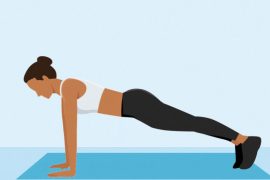
How to perform it: Start with your body in a straight line in the forearm plank position. Dip your hips slowly to one side, then back to the middle, and then to the opposite side.
Benefits: Benefits of hip dips include strengthening the shoulders and lower back, improving lateral core stability, and targeting the oblique muscles. They are excellent for improving core control and rotational strength.
Advice: To prevent hip slumping, which can put strain on the lower back, keep your shoulders and heels in a straight line and manage your movement.
4. Complete Core Engagement with a Reverse Plank Knee Tuck
Method: Place your hands behind your hips and sit on the floor with your legs outstretched. Pull your knees toward your chest and extend them out again after raising your hips into a reverse plank.
Benefits: This exercise strengthens the posterior chain and works the entire core, including the abs, hip flexors, and glutes. It strengthens the functional core and encourages improved body alignment.
Advice: For optimal results, move slowly and concentrate on keeping a straight line from shoulders to heels during the extended phase.
In conclusion, efficient at-home core training
Pilates is a very efficient, low-impact method of strengthening the core without the need for any gym equipment. You may improve your general stability, spinal flexibility, and abdominal strength by including these four exercises in your at-home program. Regular practice enhances posture, balance, and functional movement for daily tasks in addition to toning the abs. You can develop a strong, toned core at home with just a mat and commitment.
Disclaimer:
The information contained in this article is for educational and informational purposes only and is not intended as a health advice. We would ask you to consult a qualified professional or medical expert to gain additional knowledge before you choose to consume any product or perform any exercise.