
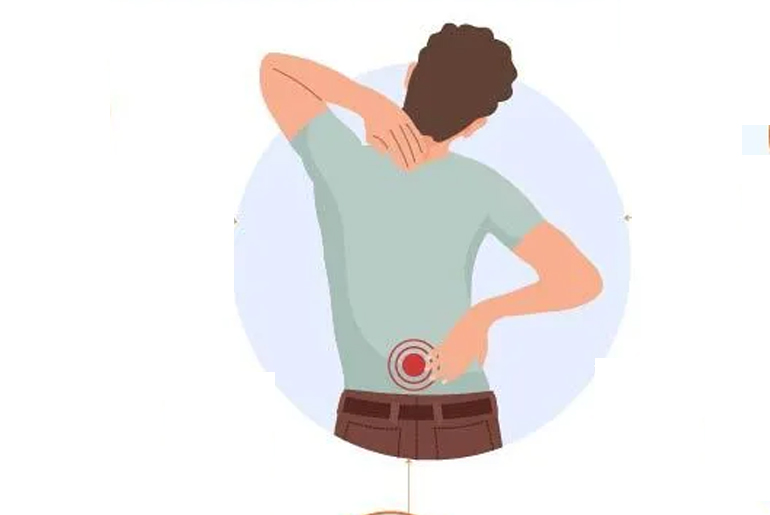
Imagine attempting to get active to break the detrimental pattern of a sedentary lifestyle, only to run into lower back discomfort as the first roadblock.
One of the most prevalent complaints among people of all ages is lower back discomfort. Lumbar pain can range from a dull ache to acute, incapacitating pain, depending on the cause, which may be long hours spent at a desk, incorrect posture, a lack of regular exercise, or just daily stress. Even basic everyday tasks might become challenging due to lower back discomfort, whether it be a persistent aching or a sudden twinge.
While it’s important to consult a healthcare provider for persistent or severe back pain, mild stretching often provides significant relief. Without the need for costly equipment or lengthy sessions, stretching helps reduce stress, increase flexibility, and gently mobilize the spine.
We’ll look at eight very efficient stretches in this article that are simple to perform at home, need little to no additional equipment, and effectively relieve lower back discomfort. These stretches are simple to execute at home, take up little room, and are suitable for novices. More significantly, they can lessen stiffness, increase circulation, and ease aching muscles when done correctly. These stretches can be an effective addition to your daily self-care regimen, whether you’re recuperating from a demanding workweek or actively maintaining your back health.
Stretching from knee to chest
How to accomplish it: With your feet flat on the floor and your knees bent, lie flat on your back. While keeping the other foot grounded, slowly draw one knee toward your chest with both hands. Hold while taking deep breaths for 30 to 60 seconds. Let go, then switch to the other leg. Perform three reps on each side. For a more vigorous stretch, you can also raise both knees together and hold them there for 15 to 20 seconds.
Why it’s beneficial: This stretch eases tension and can ease discomfort by stabilizing the pelvis and releasing the muscles in the lower back.
Spinal (trunk) rotation
How to accomplish it: With your feet flat and your knees bent, lie on your back. Make a “T” with your arms at your sides, palms down. Maintaining your shoulders on the floor, slowly lower both bent legs to one side while softly rotating your head to the other side. Return to the center and repeat on the opposite side after holding the twist for 15 to 20 seconds. Perform 5–10 reps on each side.
Why it works: This exercise helps release tension in the lower back, relaxes the muscles surrounding the spine and pelvis, and increases spinal mobility.
Stretching a cat-cow
How to perform it: Start on all fours with your hands beneath your shoulders and your knees beneath your hips. The “cow” part is when you take a breath, let your belly drop, and raise your head and tailbone toward the ceiling. The “cat” posture involves exhaling, rounding your spine upward, tucking your chin to your chest, and tucking your pelvis under. For 15–20 cycles, keep switching between these two postures, holding each for 5–10 seconds.
Why it works: The benefits of this easy yoga flow include improved back and core muscle coordination, tension relief, and increased spinal flexibility.
Stretching the hamstrings while seated
How to perform it: To perform this exercise, sit on the floor with one leg bent such that the sole of your foot contacts your inner thigh and the other leg straight out. Wrap the ball of your outstretched foot with a cloth, belt, or strap. Pull on the strap slowly to move your body toward the leg while maintaining a straight back until your lower back and hamstrings start to feel slightly stretched. Hold for ten or so seconds, then take a quick break. After three repetitions, switch sides.
Why it helps: Because tight hamstrings can strain the lower spine and pull on the pelvis, they are frequently associated with lower back discomfort. That tension can be released by stretching them.
Pelvis
How to perform it: Place your feet flat on the floor and bend your knees while lying on your back. Allow your spine to relax so that your lower back has a slight, natural curvature. Then, without raising your hips, steadily press your lower back into the floor using your core muscles, which include your glutes and abdominals. After holding the tilt for five to ten seconds, let go. Work your way up to 25 to 30 repetitions as comfortable after starting with 10 to 15.
Why it’s beneficial: This exercise helps stabilize your spine, develop your back and core muscles, and enhance posture, all of which can lessen back strain.
Stretch for flexion-rotation
How to perform it: To do it, lie with both legs straight on your right side. Bring your foot behind your right knee while bending your left knee. While gently holding your left knee with your right arm, slowly turn your upper body backward until your left shoulder is facing the floor. Return after holding the stretch for one to three seconds. Perform ten repetitions on one side, then switch to the other side and repeat.
Why it’s beneficial: This combines a twisting motion with bending (flexion) to stretch the gluteal and lower back muscles, increasing lumbar mobility and decreasing stiffness.
Bridge support
How to perform it: Place your feet flat on the floor, hip-width apart, and lie on your back with your knees bent. Place a rolled towel, hard pillow, or foam roller beneath your sacrum and raise your hips a little. Lean back and allow the support to release tension from your lower back. Hold for 30 to 60 seconds, then take a 30- to 60-second break before repeating three to five times.
Why it’s beneficial: This position opens up the hip flexors and gradually decompresses the lumbar spine. It can lessen pressure on spinal tissues and enhance spinal alignment over time.
The child’s position
How to go about it: Place your knees together or slightly apart on the floor, then sit back on your heels. Stretch your arms in front of you (or along your body), place your forehead on the floor, and fold forward from the hips. Take a deep breath and hold the position for one minute, or longer if it feels comfortable.
What makes it beneficial: This tranquil yoga stance relaxes the muscles in the spine, hips, and thighs while also promoting mental calmness.
Disclaimer:
The information contained in this article is for educational and informational purposes only and is not intended as a health advice. We would ask you to consult a qualified professional or medical expert to gain additional knowledge before you choose to consume any product or perform any exercise.