
Every few months, there is a new fitness solution that promises to fix our erratic workout routines and provide us with immediate benefits. Although these fads frequently arouse interest, they never endure, leaving many people searching for a long-term fitness strategy. However, some methods, like the 6-6-6 walking rule, endure because they are simple, practical, and easy to incorporate into daily life, offering a sustainable way to stay active and improve overall health. This cycle emphasizes how difficult it may be to stay motivated over the long run and how crucial it is to implement doable, reliable techniques for long-term health and well-being.
How Does 6-6-6 Walking Work?
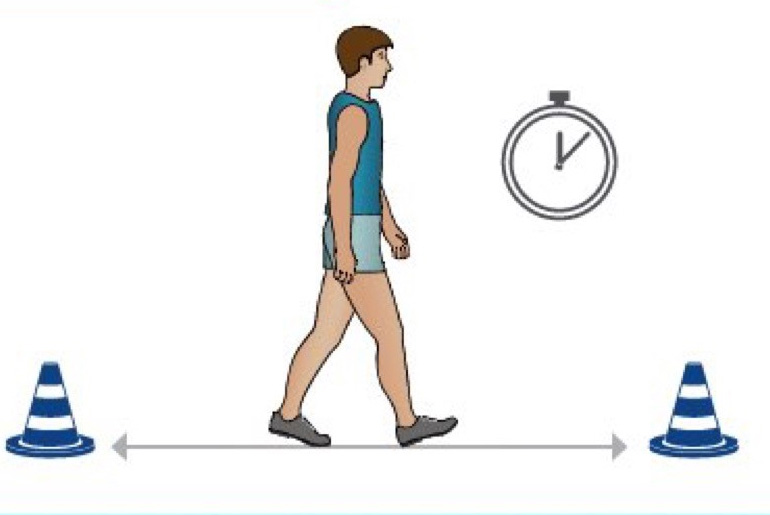
The 6-6-6 walking rule is a straightforward, methodical way to walk every day that divides action into three doable chunks. The idea is to walk for eighteen minutes, six of which should be at a quick pace, six of which should be at a moderate pace, and six of which should be at a relaxed pace. This strategy aims to make exercise accessible to individuals of all fitness levels, including novices, senior citizens, and those who find it difficult to dedicate themselves to lengthy training sessions. Even the busiest schedules may easily accommodate it due to its flexibility and conciseness.
The Health Reasons for Walking 6-6-6
The rule is effective because it leverages many physiological benefits by combining reasonable duration with intensity variation. A vigorous start speeds up the heart rate just enough to promote heart health, enhance blood circulation, and engage the cardiovascular system. Changing to a moderate speed promotes prolonged fat burning, lung function, and aerobic activity maintenance. Finishing at a leisurely speed eases muscle tension, promotes healing, and lets the body cool down gradually. This pattern is effective without being overly strenuous because it resembles the concepts of interval training in a simpler, less daunting manner.

This type of structured walking has been associated with improved blood sugar regulation, lower stress levels, and improved metabolic health. Walking regularly, even for brief periods of time, can strengthen lower-body muscles, increase joint mobility, and minimize the risk of chronic conditions including obesity, diabetes, and heart disease. The 6-6-6 style reduces the chance of harm while yet providing quantifiable health benefits because it is mild.
Why It’s Becoming Popular
Because it tackles a frequent obstacle to exercise—time and motivation—the 6-6-6 walking approach has becoming more and more popular. Conventional fitness regimens that require lengthy, unbroken sessions at the gym overwhelm a lot of individuals. By redefining fitness as something that can be attained in manageable chunks, the 6-6-6 rule makes it psychologically simpler to maintain.
Its accessibility and simplicity are also its main draws. It is suitable for almost every age group, requires no special equipment, and can be done anywhere—indoors, outdoors, on a treadmill, or in the neighborhood. Over time, even modest, regular exercise can lead to major benefits in metabolic and cardiovascular health, according to health experts. Its prominence has been further increased by social media and wellness influencers, demonstrating that little work may produce maximum consistency and long-term benefits.
A more moderate yet scientifically supported method of enhancing general health is the 6-6-6 walking rule. Short, varied-intensity intervals are combined into a manageable daily practice that supports metabolic health, improves cardiovascular fitness, and fits in with hectic schedules. Its growing popularity is a result of people realizing that being physically fit doesn’t always require a lot of effort, fear, or time; sometimes, it merely involves moving the body steadily, one 6-minute burst at a time.
Disclaimer:
The information contained in this article is for educational and informational purposes only and is not intended as a health advice. We would ask you to consult a qualified professional or medical expert to gain additional knowledge before you choose to consume any product or perform any exercise.